

Passing through suburban neighborhoods on the outskirts of Ghent, Belgium, the scenery changed dramatically when we turned off the main road and found ourselves in a verdant and wooded area. The drive down a beautiful, tree-lined allée took us to a small brick gate house. We had arrived at our castle.
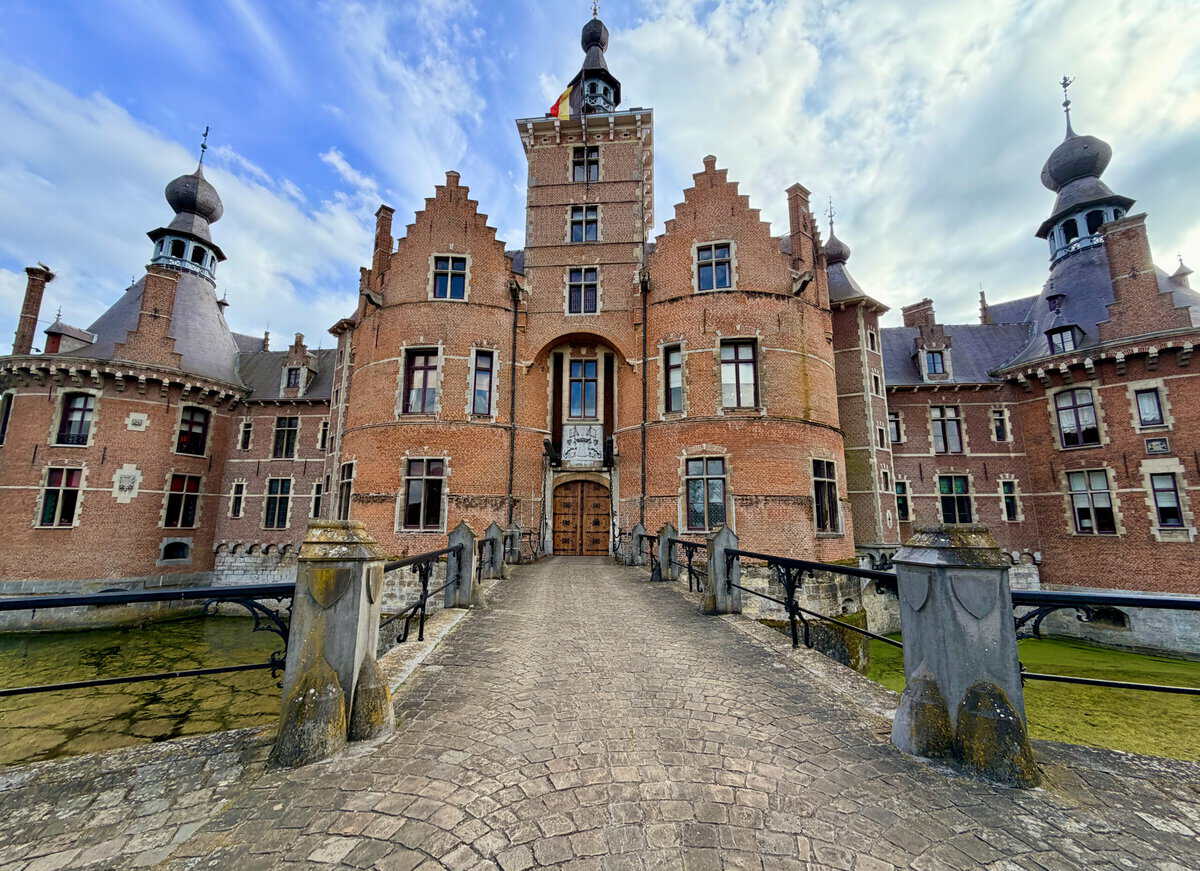
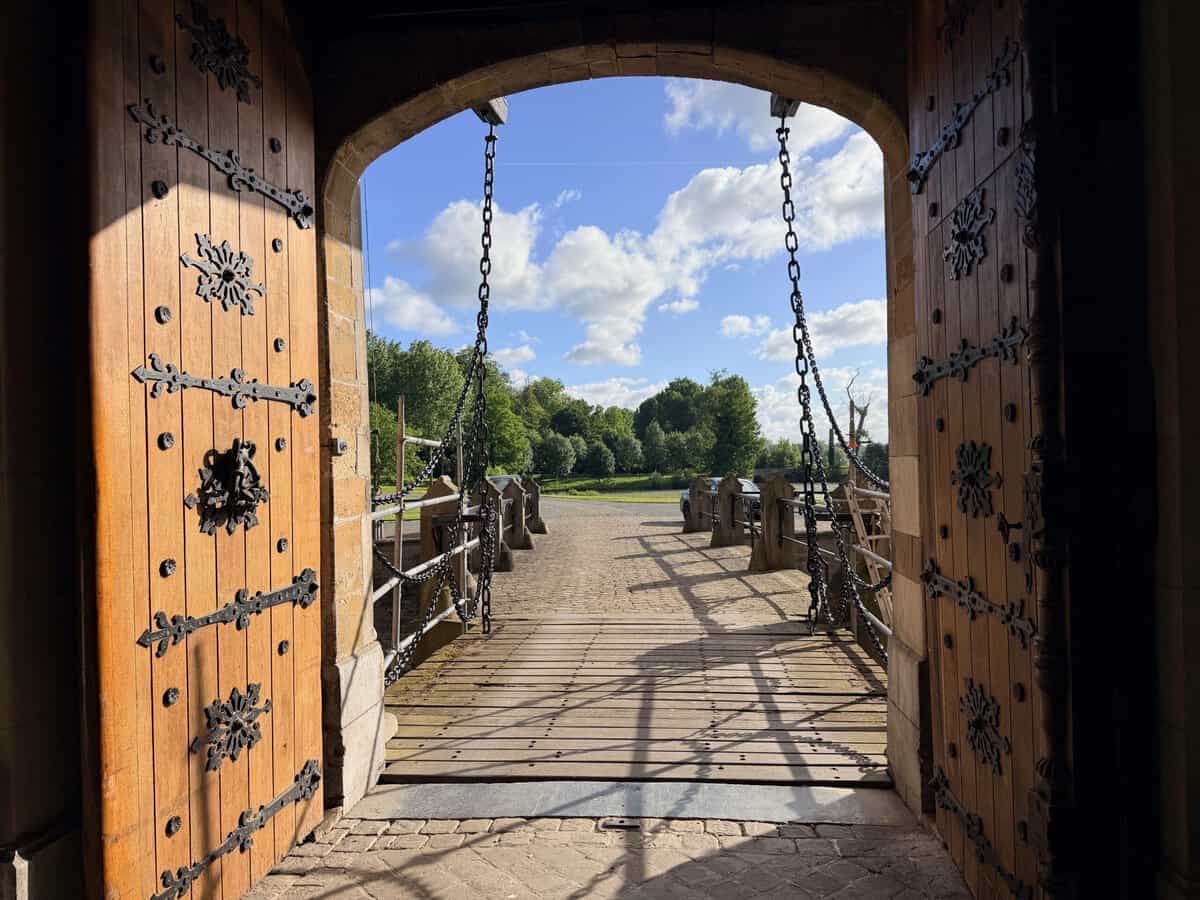
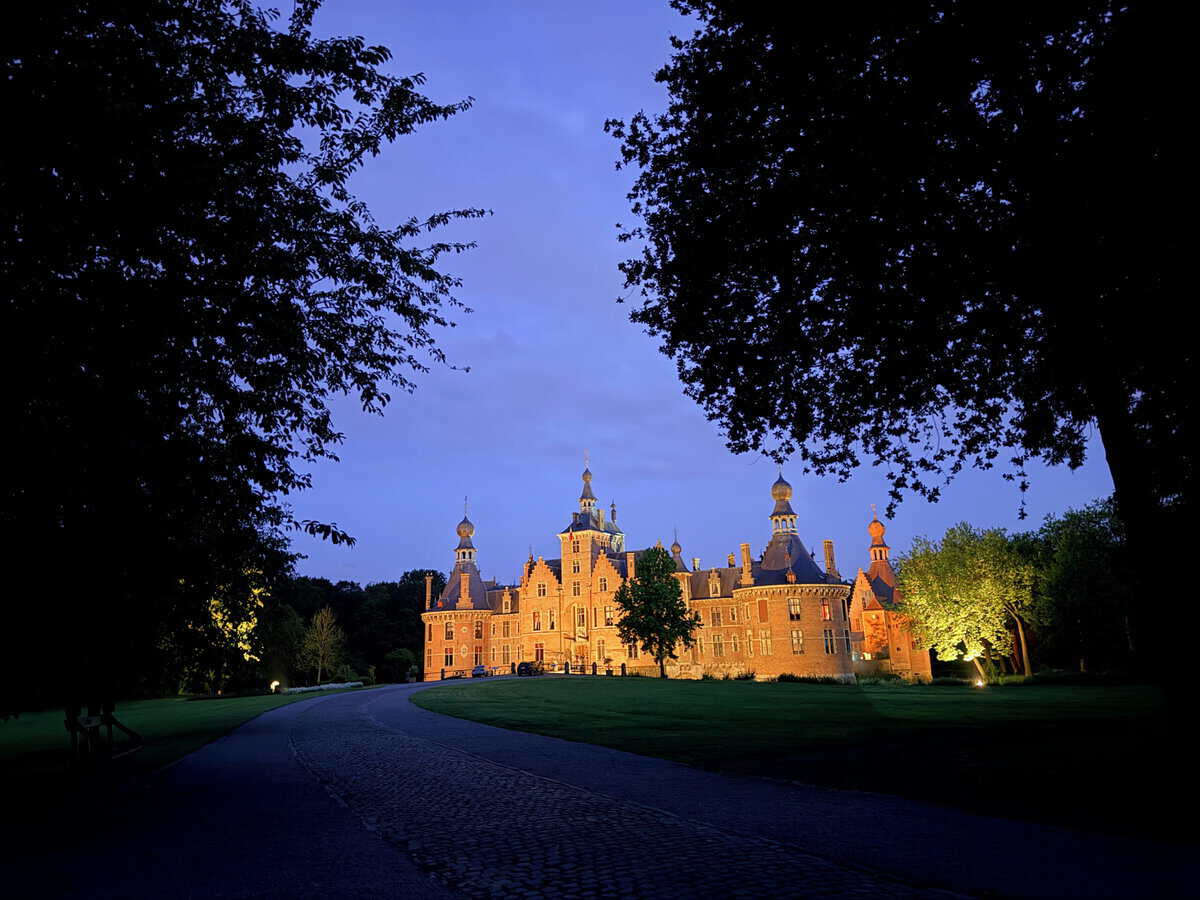
Once inside the massive iron gates, I gasped in delight as Kasteel van Ooidonk, or Ooidonk Castle, came into view. Surrounded by a moat and spectacular gardens, the turreted castle looked like something out of a fairytale. When Agnes, the housekeeper met us on the ancient wooden drawbridge, the fantasy of a castle stay became real. This was to be our home for the night, thanks to an invitation from Visit Flanders that I had excitedly accepted.
Where Are the Most Castles in Europe?
France, Germany and Italy all have more castles than Belgium, but it does claim the highest density of castles per square kilometer on the continent. Flanders, where we were visiting, has the most castles in Belgium. There are many that are open for daytime tours (more on that in a story about castles near Antwerp), some that allow the public to wander their gardens, and a few that welcome overnight guests, like Castle Ooidonk.
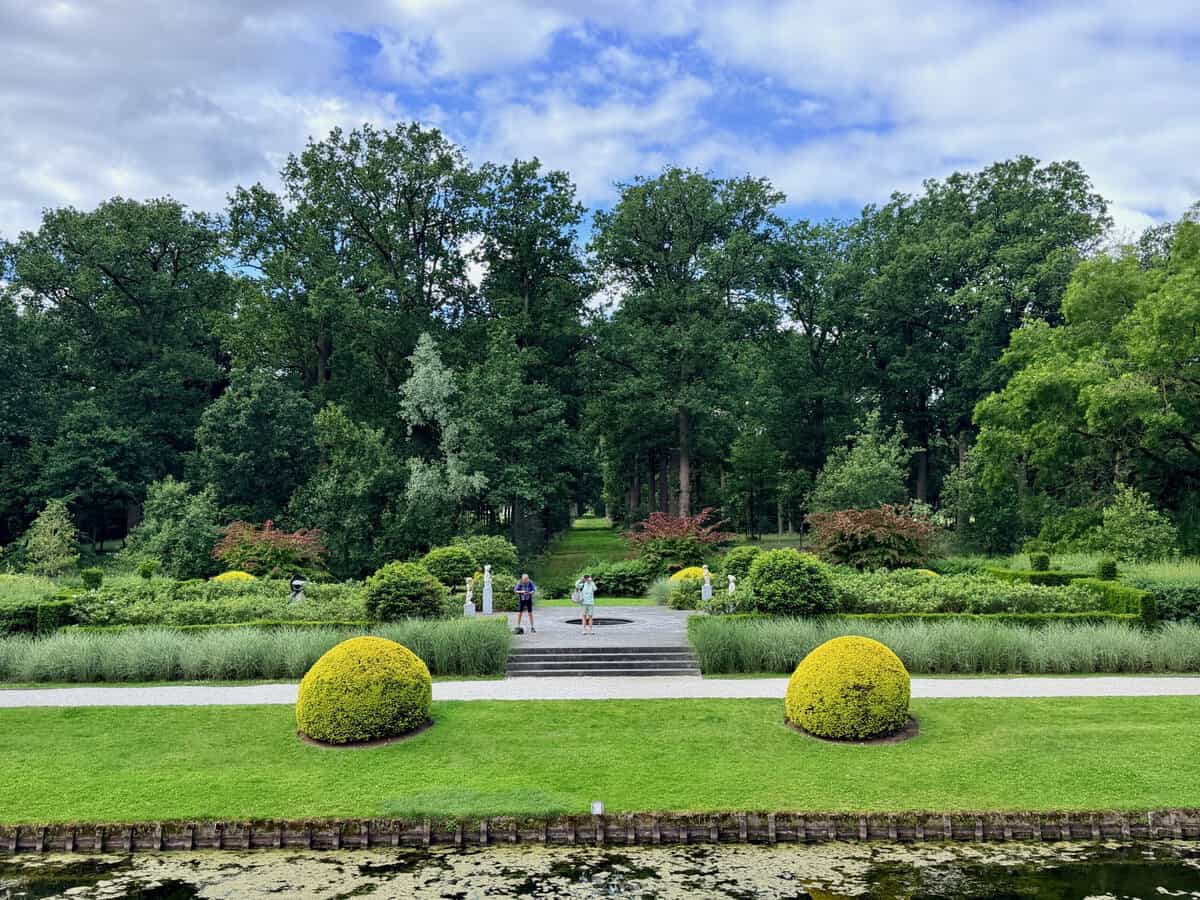
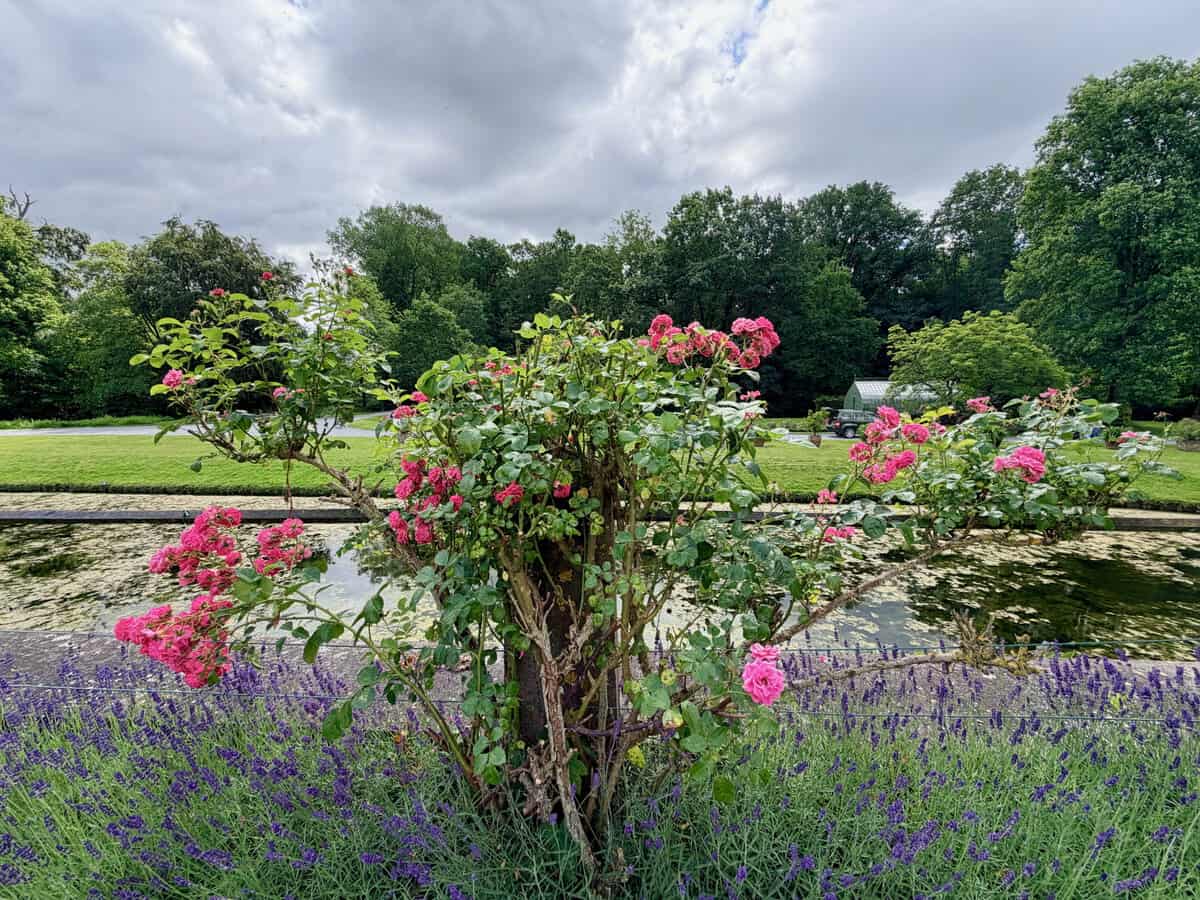
Maintenance on these grand homes is both expensive and ongoing. Visitors help defray costs and preserve Belgian history at the same time. Historic Ooidonk Castle, less than a 30-minute drive from Ghent, rents four luxurious ensuite bedrooms for overnight stays and invites the public to visit the gardens and tour the home for a fee. It is a protected national heritage monument and a protected landscape landmark. It is also a private residence.
Welcome In
Agnes graciously welcomed us into the castle and showed us to our spacious, light-filled room with large windows overlooking the moat. The room was decorated with antique furniture, homey touches like family photographs, good quality linens, and a splendid chandelier. The bathroom was modern and large with a sizable walk-in shower.
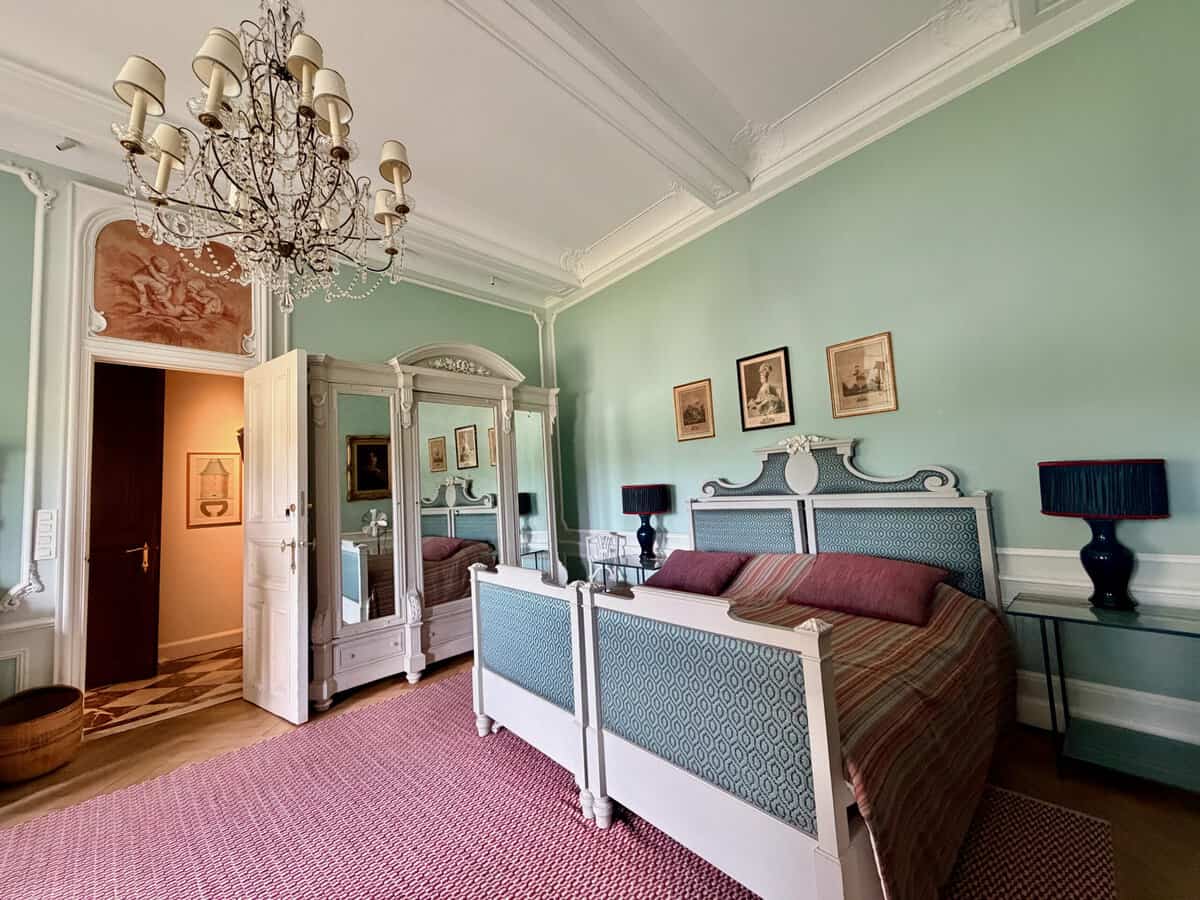
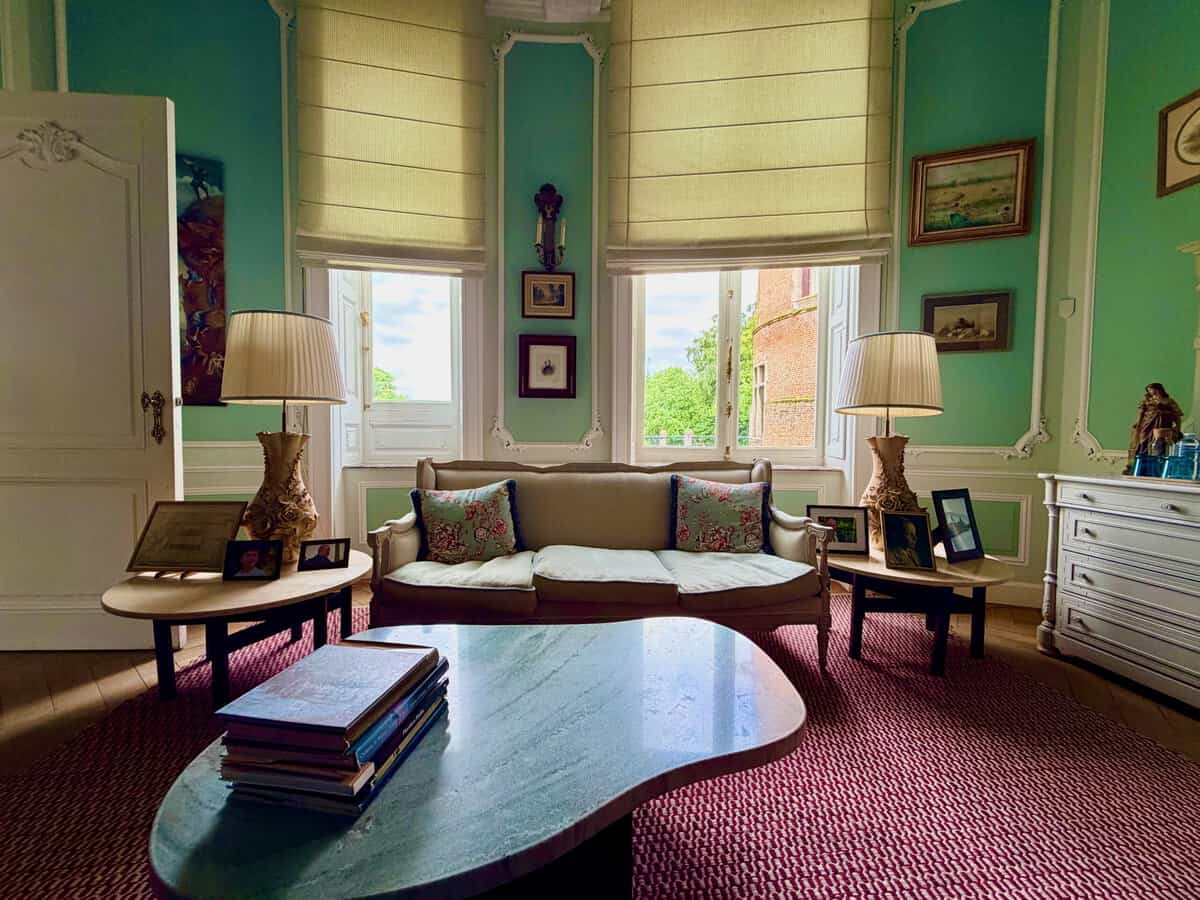
After dropping our bags and reviewing the house rules, she walked us through the common areas we would have access to. Because the castle is a private residence, overnight guests may not wander at will.
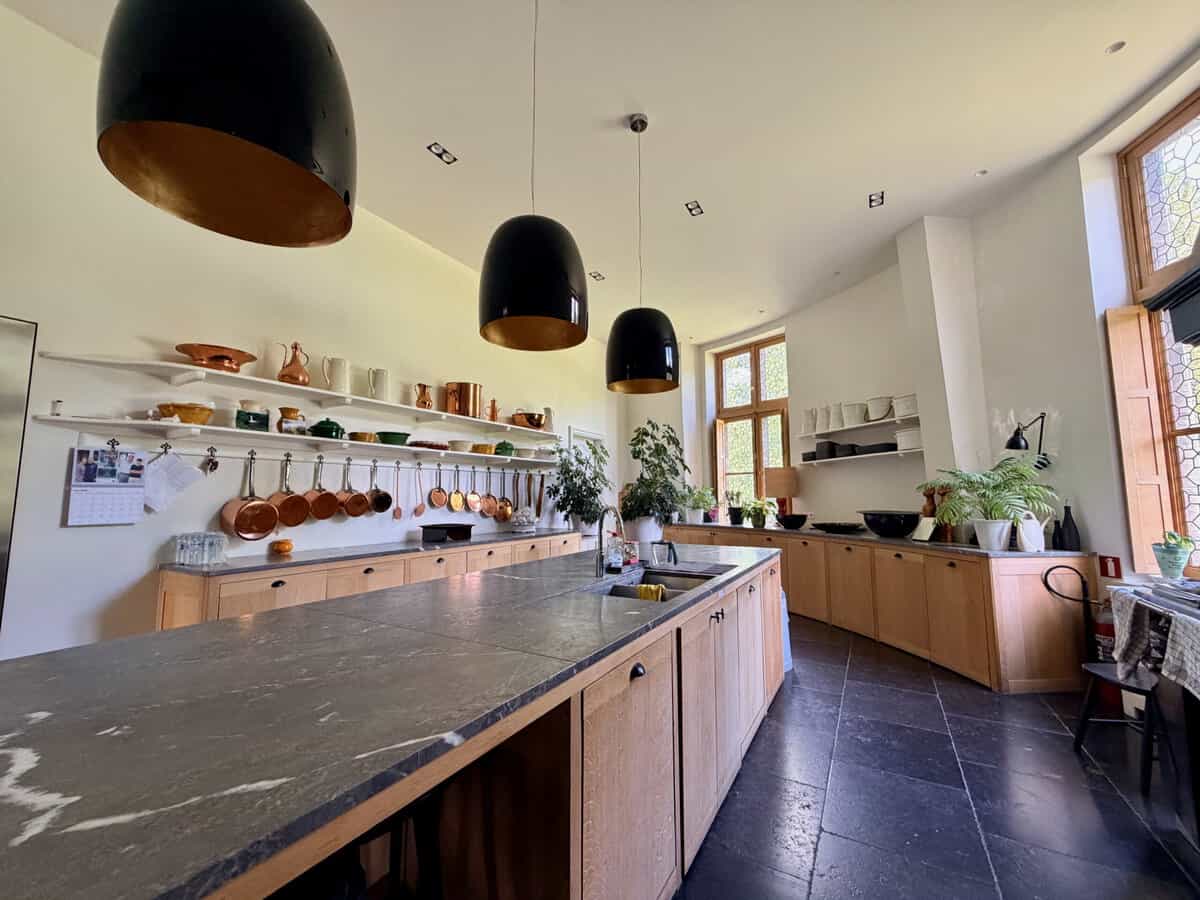
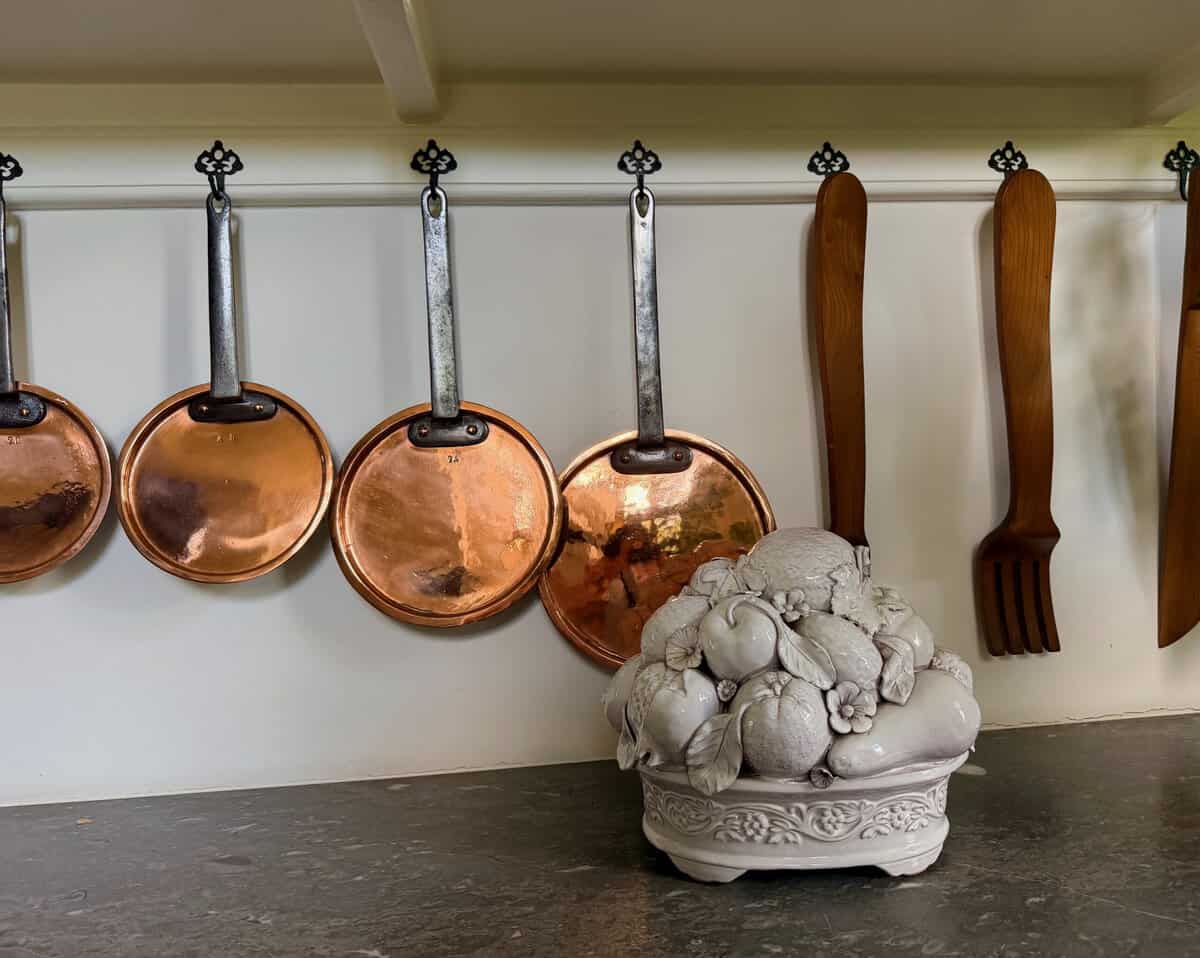
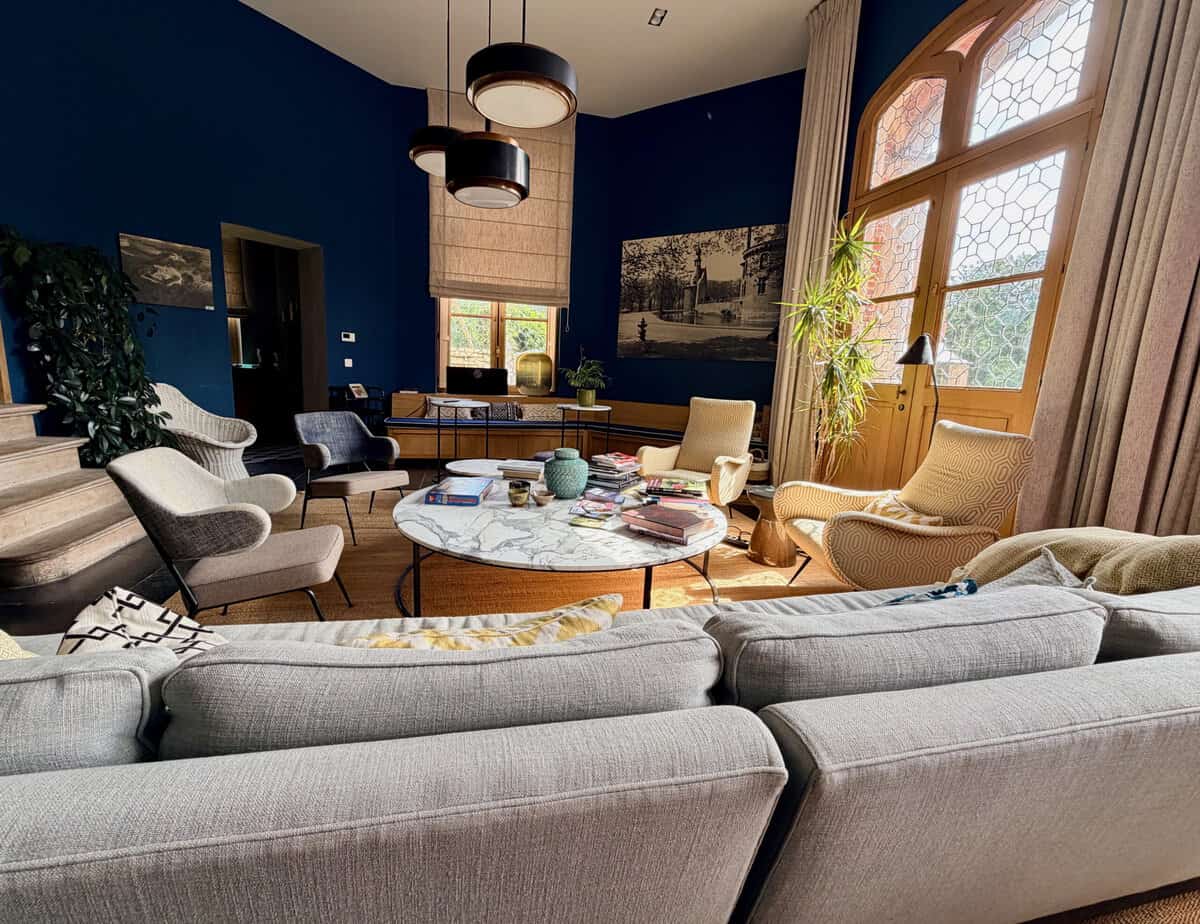
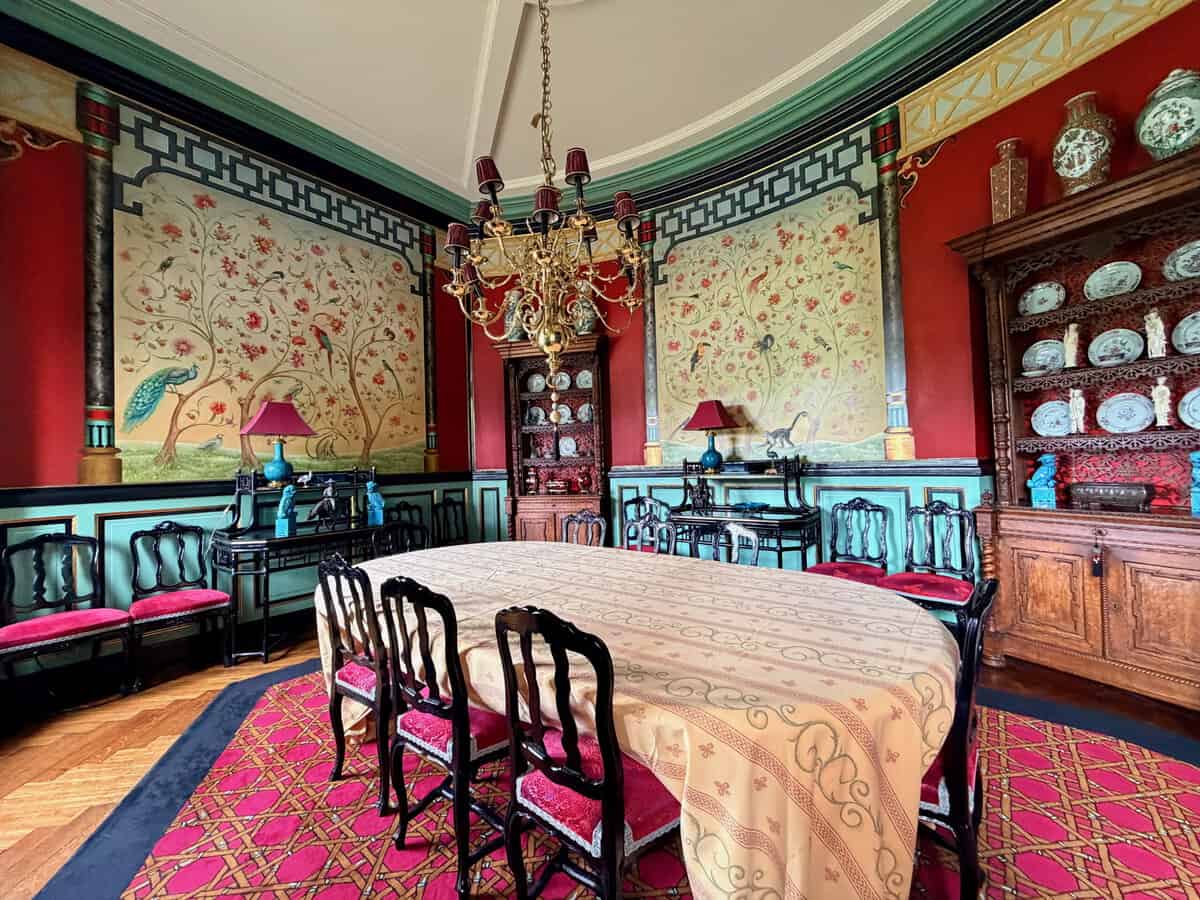
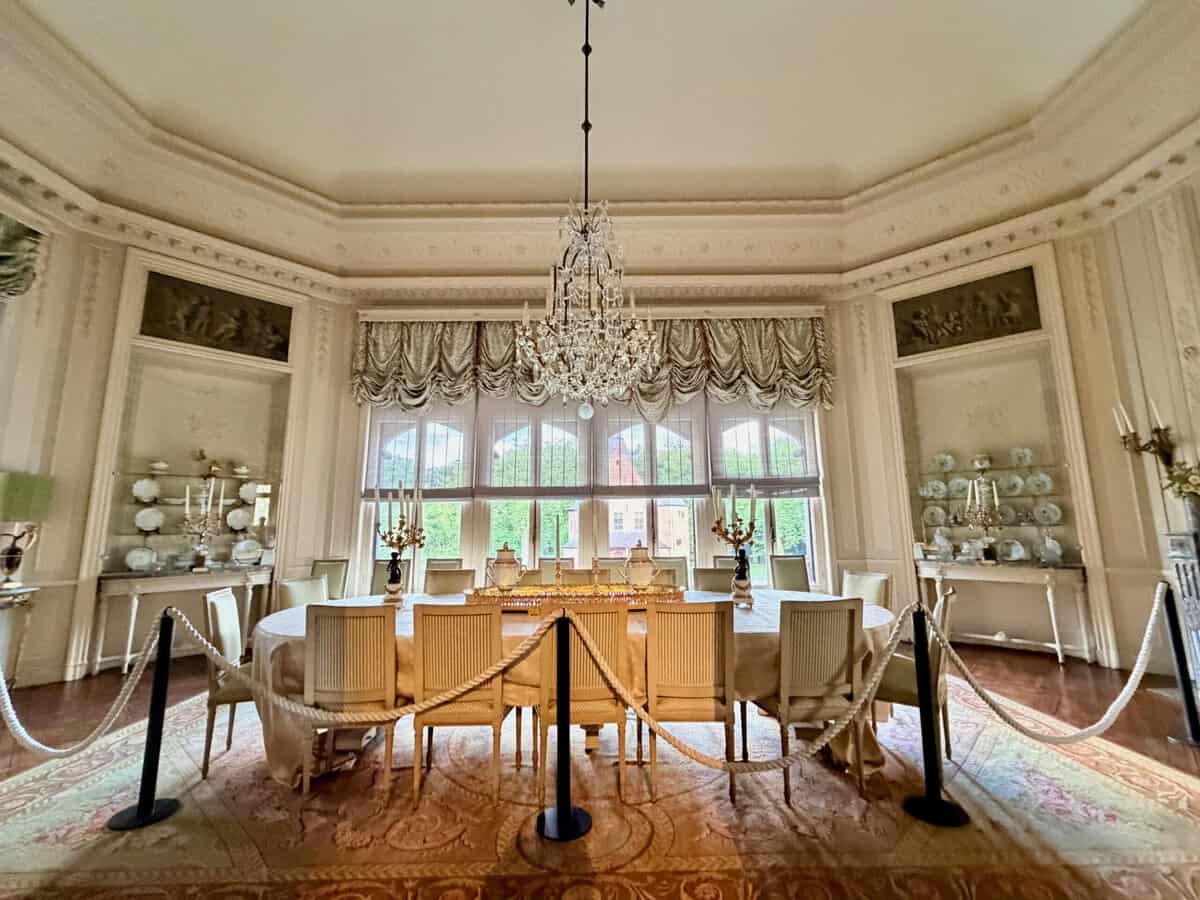
Guests are welcome to use the modern, well-equipped kitchen (from which grand events could be catered I imagined) to prepare a simple meal, coffee, or a cup of tea. Agnes showed us all of the things at our disposal. There was also a lovely dining room we could use, and living area with comfortable chairs and a sofa for reading or playing board games.
We were also invited to use the outdoor terrace areas. These are furnished with tables and chairs with views over the expansive grounds and gardens beyond. Overnight visitors are welcome to wander the gorgeous gardens whenever they like, unlike day visitors who may enter only at prescribed times.
Other Castle Guests
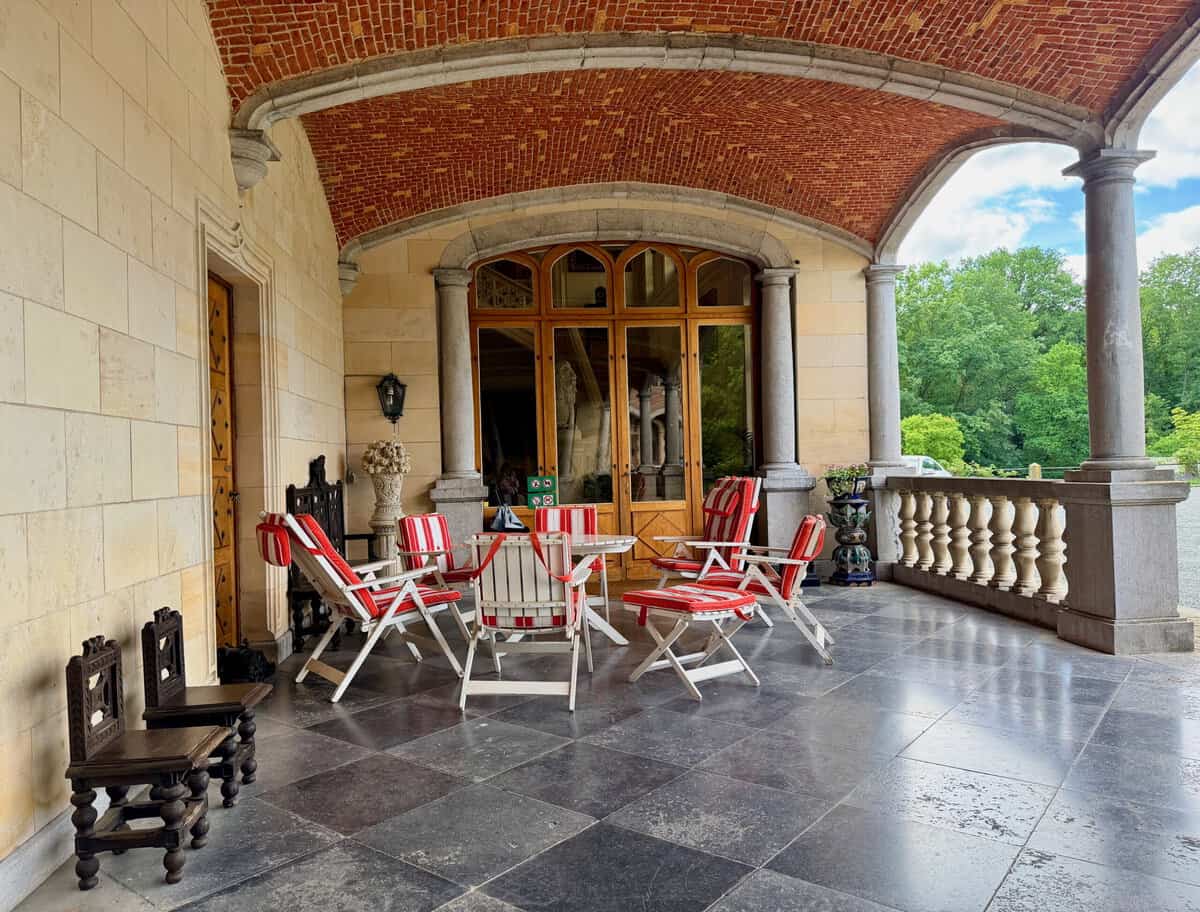
We met the only other overnight guests on the terrace. They were a young local couple who had left their one-year old twins at home with their grandparents. We had a nice chat and learned that the castle stay was a Mother’s Day gift from husband to wife. They had visited the gardens before but had never been inside the castle. This was a chance to enjoy time together and have dinner in the nearby coach house, wife Michelle told us.
The coach house, or Het Koetshuis, is just beyond the castle gates. We had reserved a table there, too, but we vowed to give the pair some privacy. We looked forward to seeing them again at breakfast, which Agnes would prepare for the four of us and serve in the dining room. I was already feeling like nobility!
Making Plans with the Count
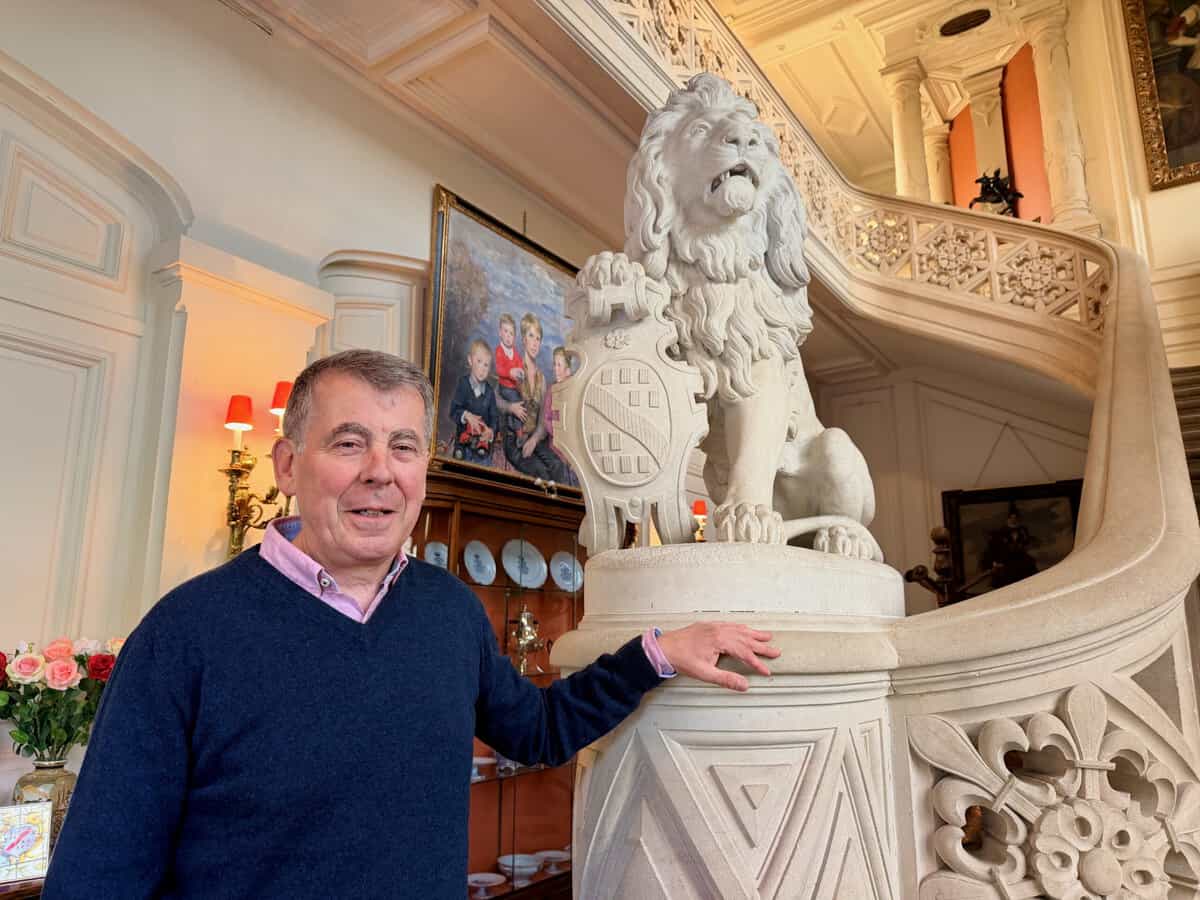
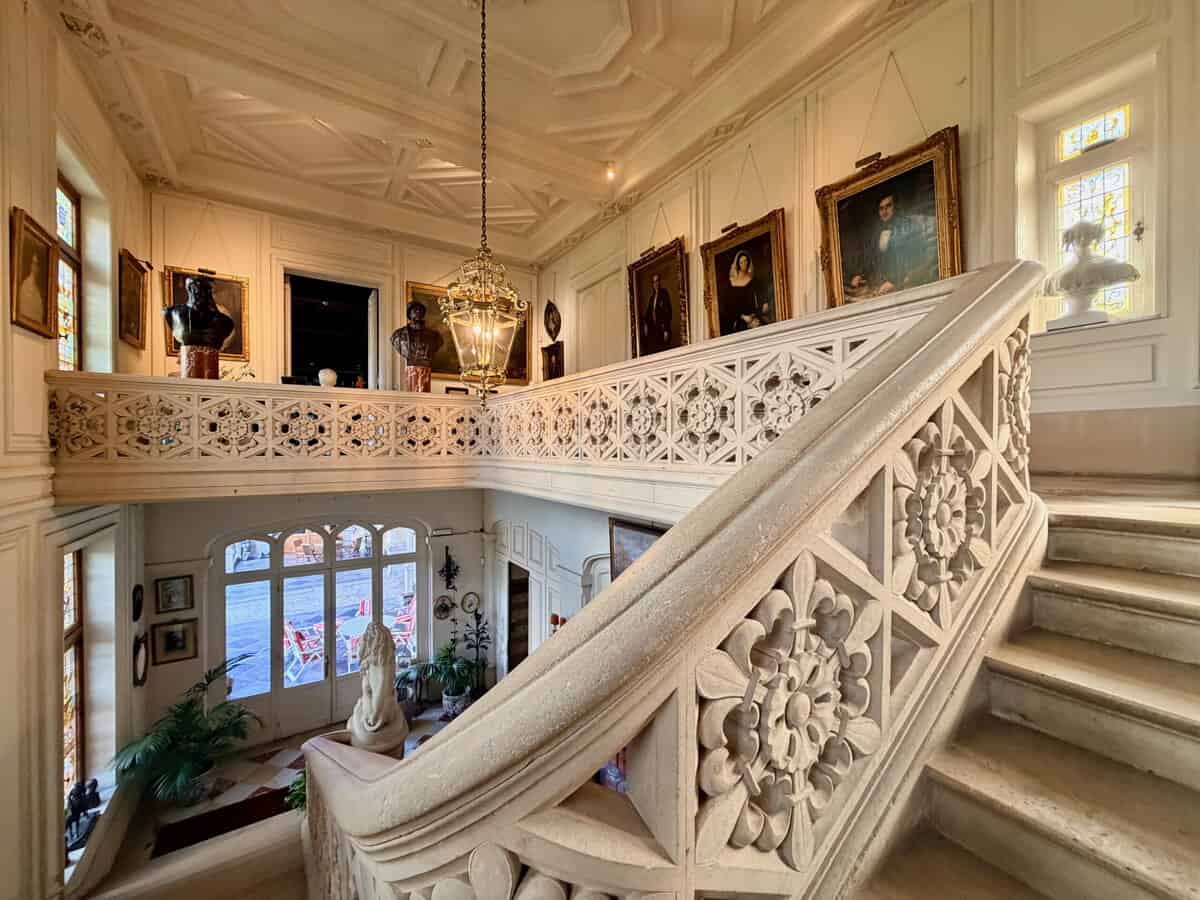
I asked Agnes if it was possible for her to take us on a tour of the rest of the castle, but she politely declined saying she was quite sure her boss would want to. Her employer turned out to be the castle’s owner Henry t’Kint de Roodenbeke, the sixth Comte t’Kint de Roodenbeke. Less than 30 minutes after chatting with Agnes, the Count called to arrange to meet the following morning after our breakfast. I was thrilled at both the opportunity to see the castle and meet the Count.
Dinner at the Coach House
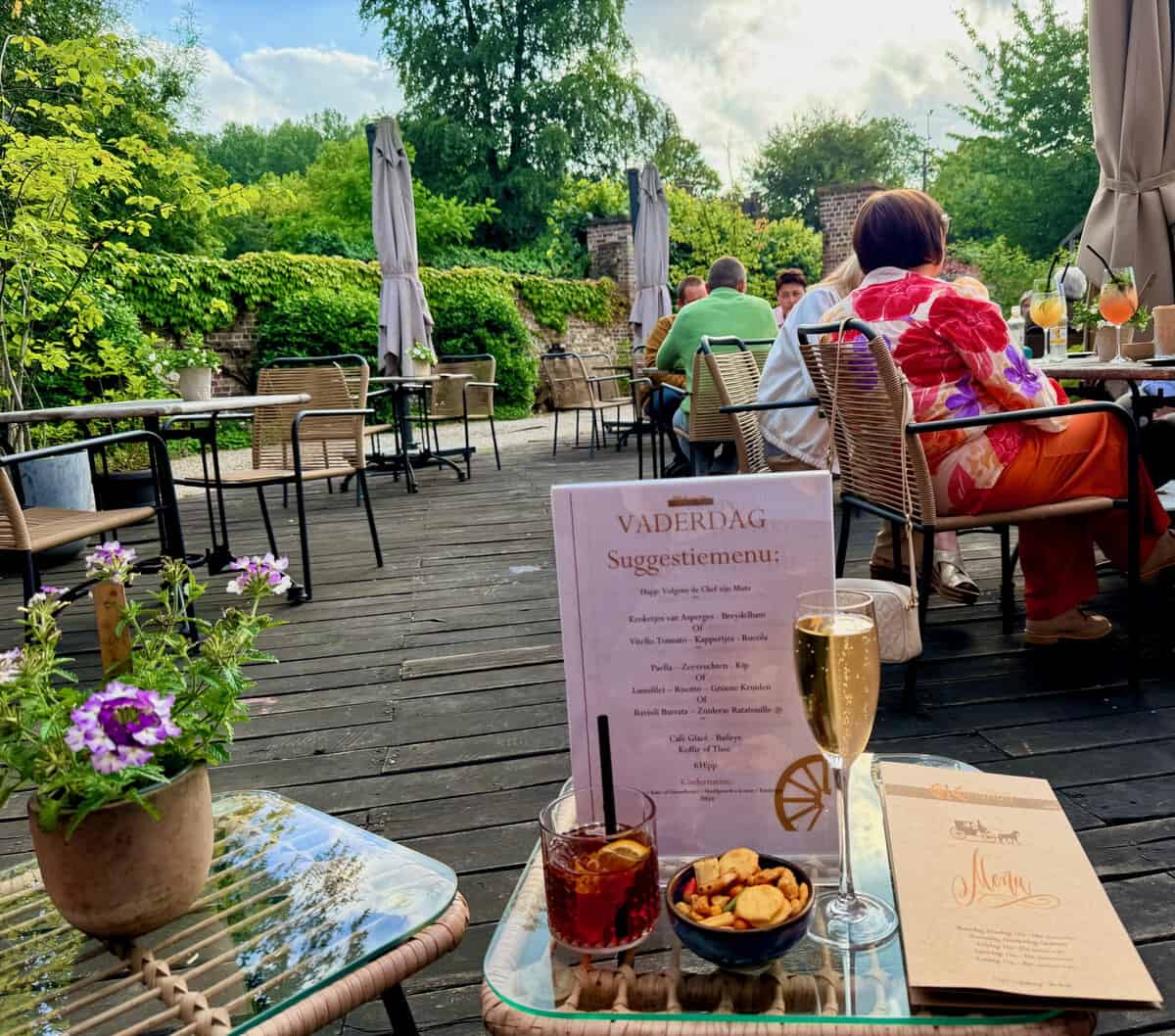
After freshening up and receiving careful instructions on regaining entry to the castle after dinner, we crossed over the drawbridge and down the gravel path, out the heavy iron gates, now secured, to the Het Koetshuis. It was less than a 10-minute walk from the castle.
Since the weather was so pleasant on that summer Saturday evening, the terrace was lively. We were invited by our host Barbara to join the other guests enjoying their aperitifs outdoors. We would dine indoors afterward.
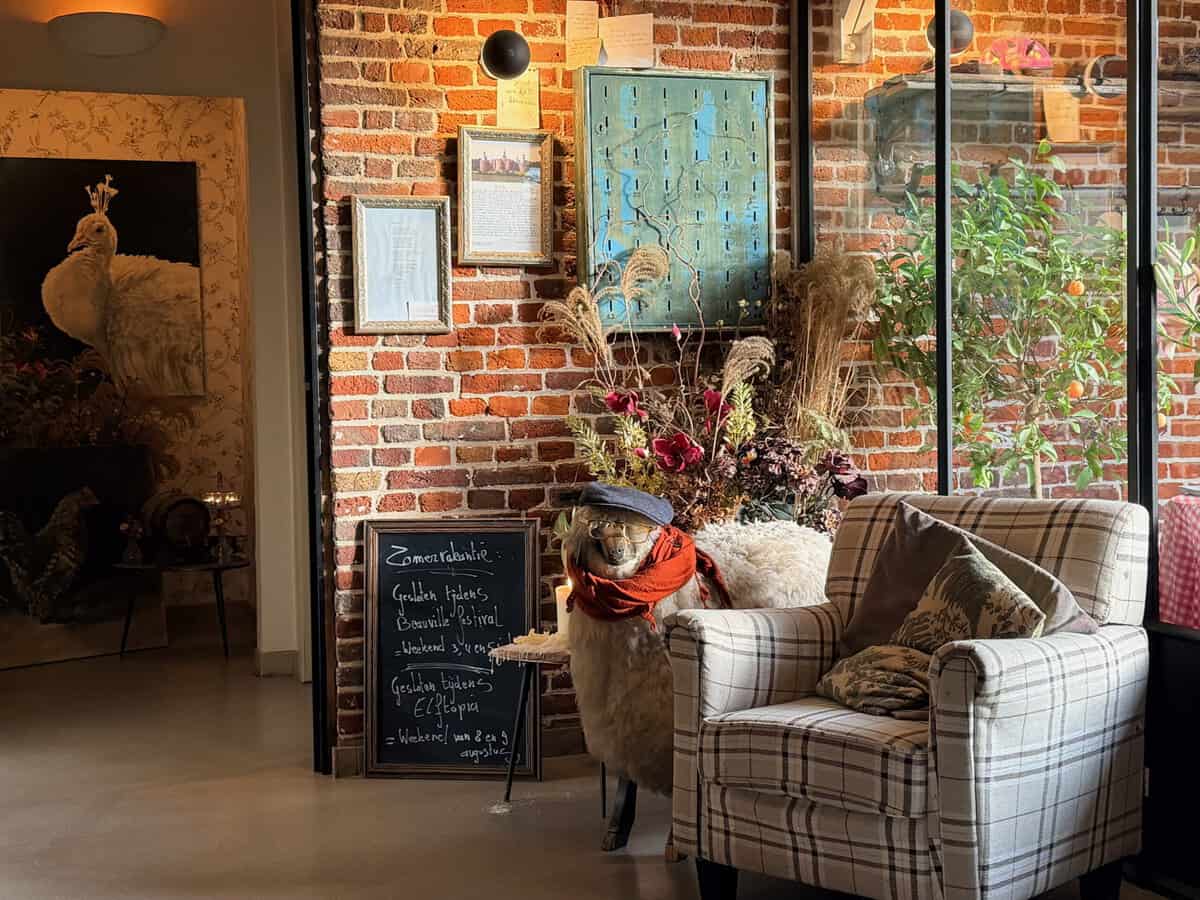
Barbara and her husband Zef, who also own a commercial bakery, bought the coach house just before the Covid pandemic. They seemed to know just about everyone who walked through the doors. Even though we may have been the only tourists in the restaurant, they welcomed us warmly. They also graciously translated the menu for us, which had some English words, but was primarily written in Dutch.
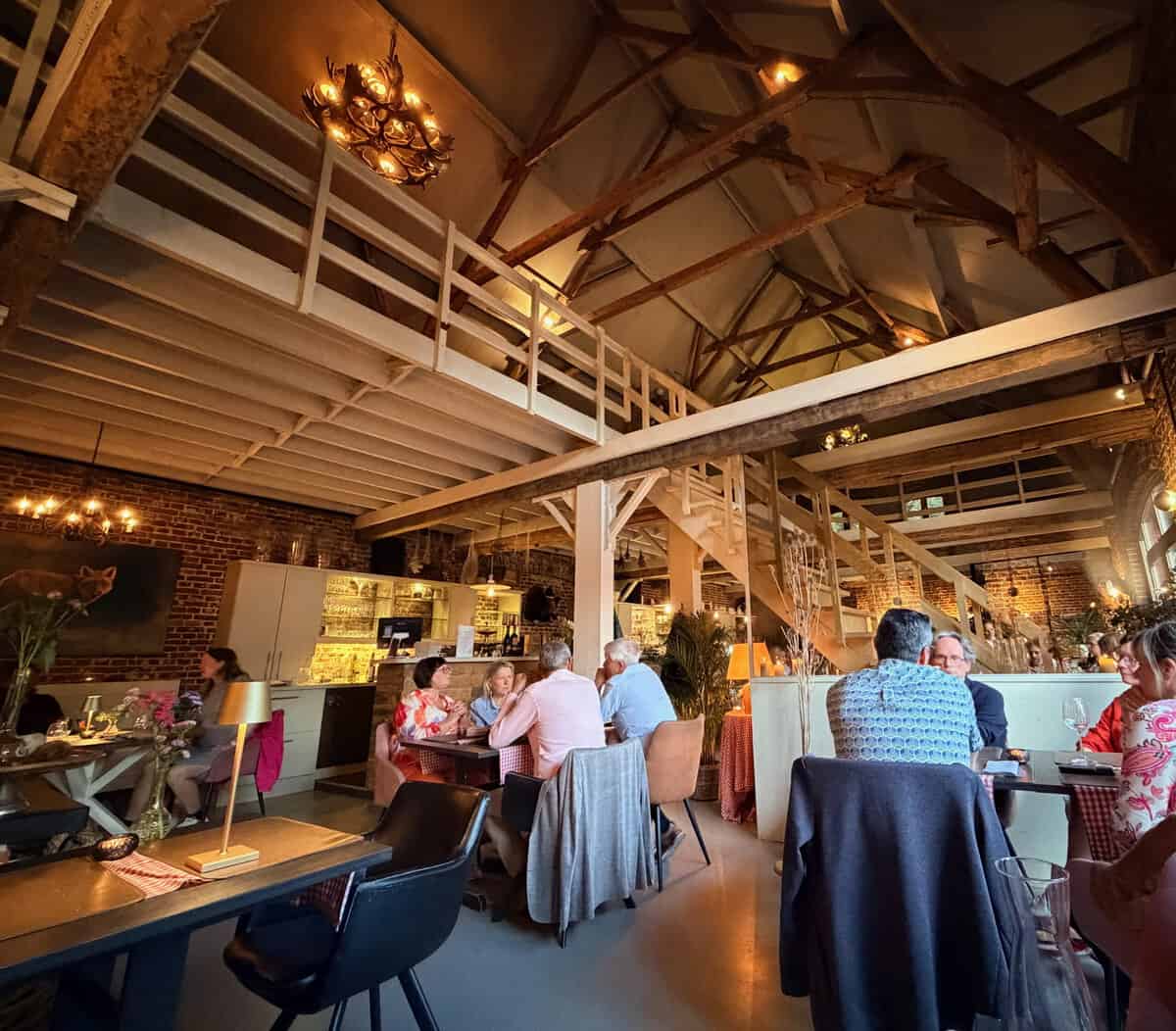
The two-story dining room has an upper floor used mainly for wedding receptions and special events. The downstairs is beautifully decorated with brick and wood. It features a gorgeous fireplace that likely gets plenty of use during colder weather.
Seasonal Specialties
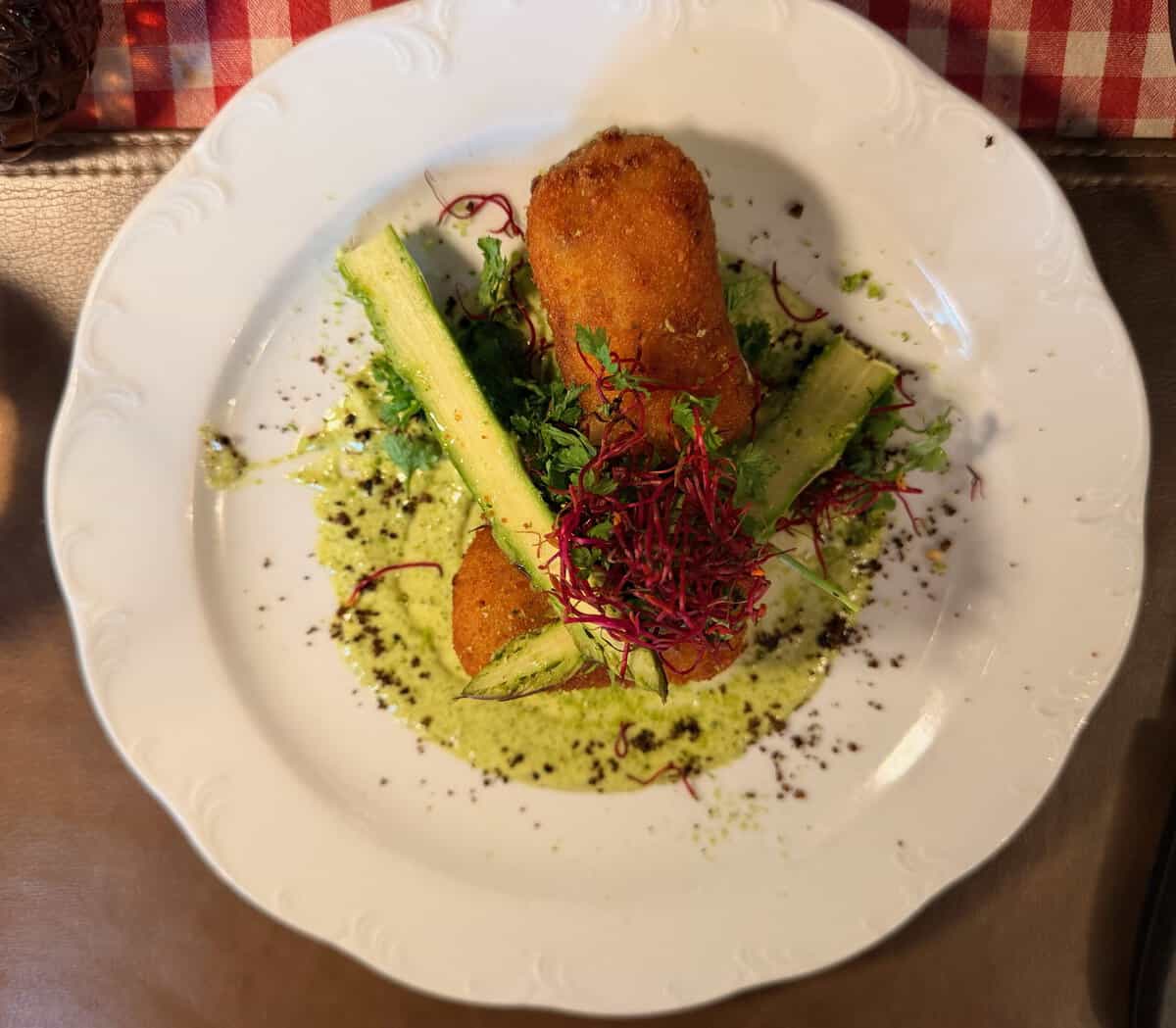
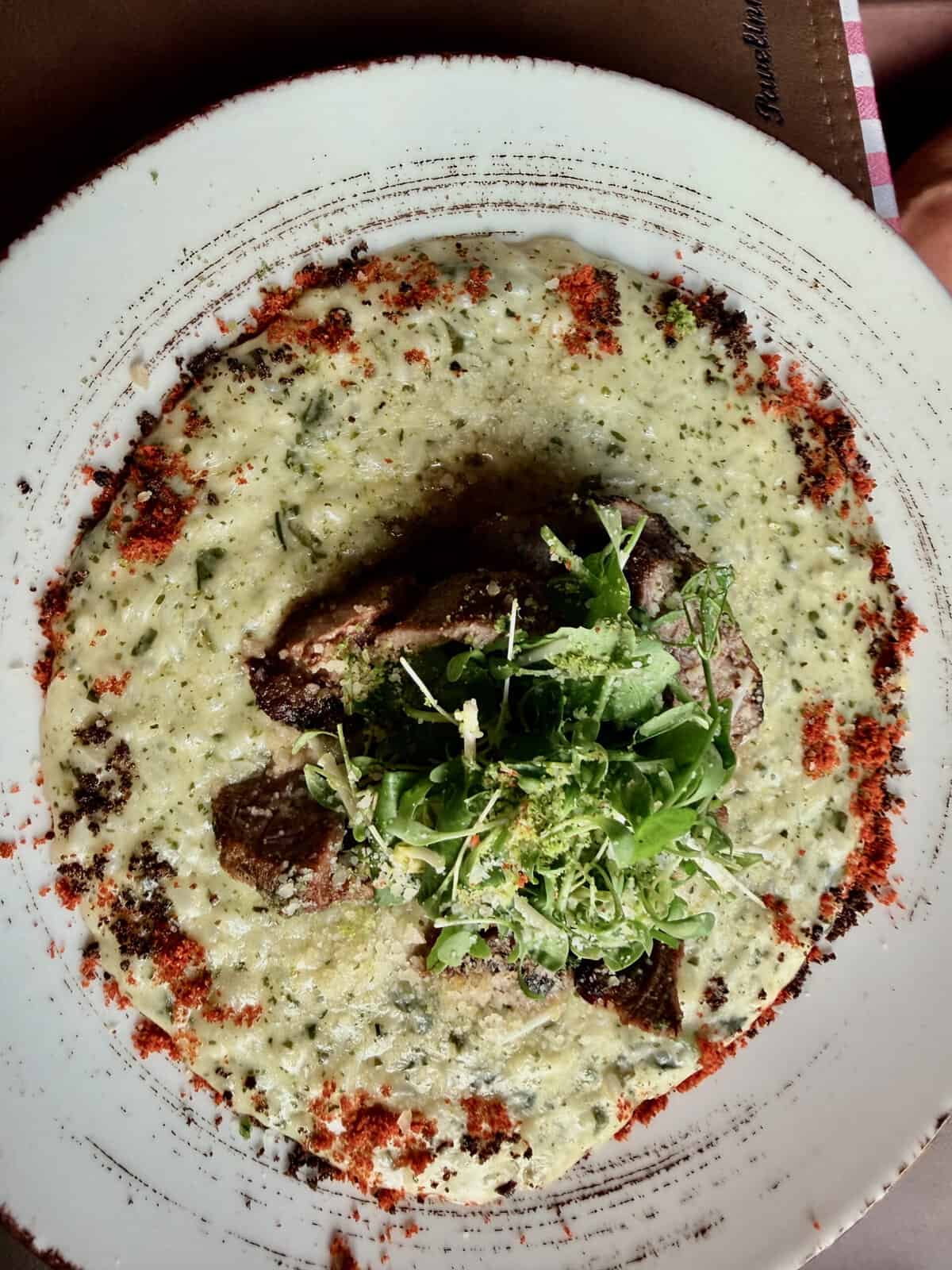
There was a special Father’s Day menu on offer that evening. My husband chose beignets in a mango curry dip to start and a luscious lamb with an herby risotto for the main course. The included dessert was ice cream with Bailey’s Cream.
Would you like to save this?
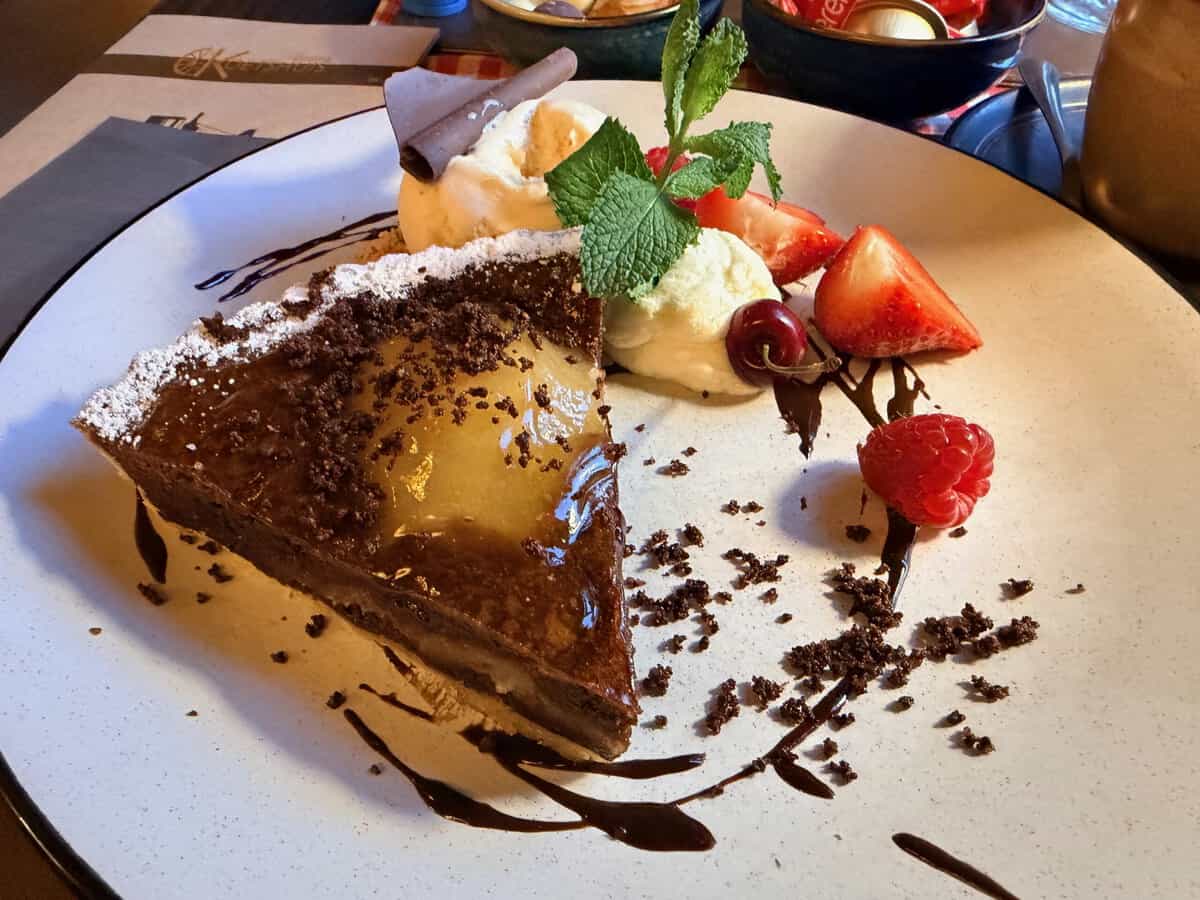
There were so many delicious sounding local specialties it was hard to choose. Ultimately, I selected the Rundsfilet served with a salad of local greens and crispy Belgian fries. The steak was perfect and served with a wonderful mushroom sauce. Dessert was a highlight. I picked a fantastic pear and chocolate tart. Afterwards, as if we need anything more, Zef presented us with almond flecked Madeleines and little chocolates.
A Goodnight’s Sleep and a Delicious Breakfast
Completely satiated, we walked home to “our” castle and approached just as the lights came on. It was a magical moment. We fell asleep to the sound of croaking frogs in the moat; moonlight streaming through the drapes we’d left partially open.
After a delicious breakfast of fresh-baked breads and croissants with butter and jam, fruit, yogurt, and eggs, it was time for our tour. We met the Count in the courtyard where he welcomed us to his family home and gave us a history of the castle and the land on which it stands.
A History of Ooidonk Castle
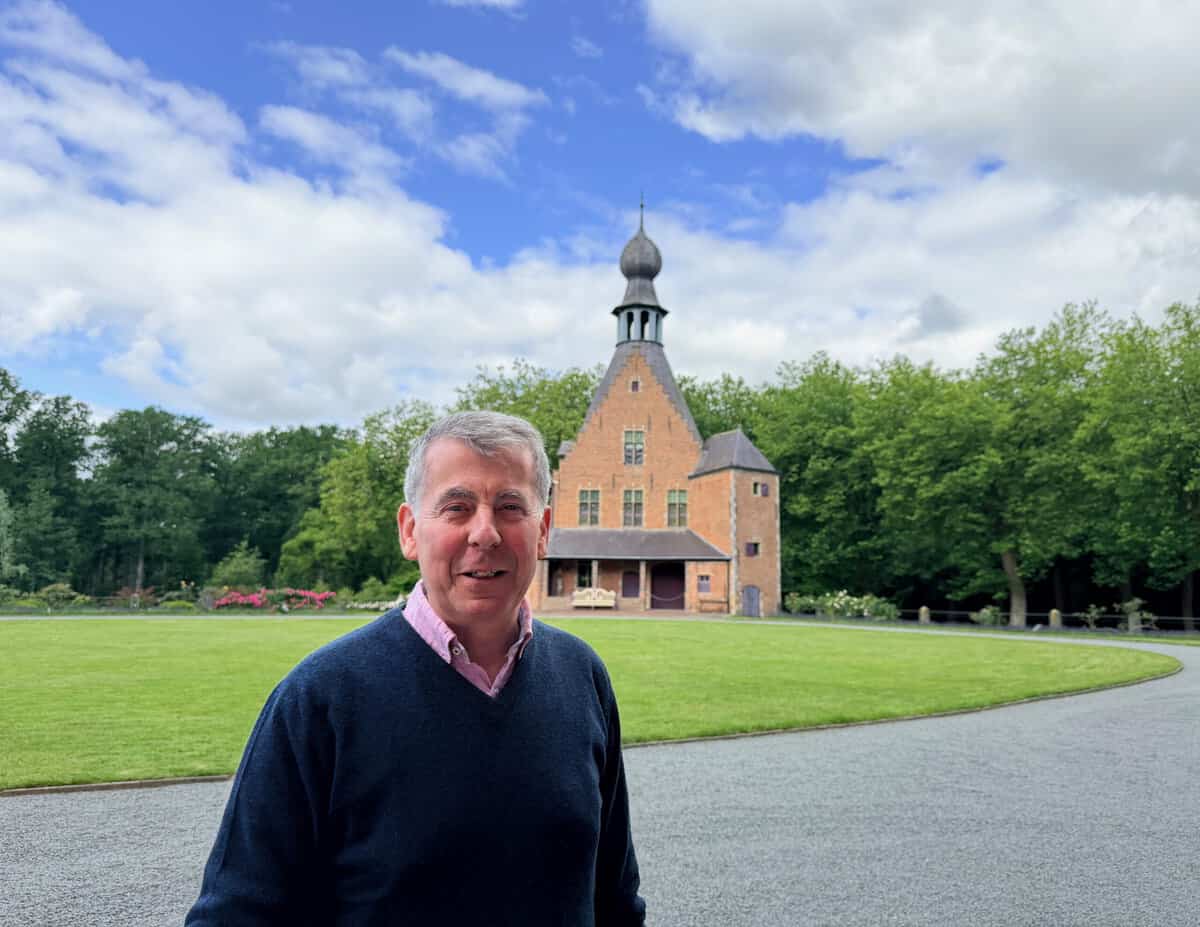
There has been a castle here since the 14th century the Count told us. Strategically positioned on the Leie River, it was meant for defense. Previous castles were destroyed twice, once in 1491 and again in 1579 during the religious wars between the Catholics and upstart Calvinists or Protestants.
In 1592, Maarten della Faille, an Antwerp businessman, bought and rebuilt the castle in the Spanish-Flemish Renaissance style. The architectural style is notable for large windows, steep roofs, towers or turrets, and decorative “Spanish” brick and stone work. The castle maintains that appearance today.
The Count’s ancestor Senator Henri t’Kint de Roodenbeke, who served as president of the Senate and later Minister of State, purchased the castle in 1864 with his wife Zoe de Naeyer. She was the daughter of a wealthy local banker. The couple hired a French architect to modernize the castle. Everything inside, from floors to ceilings and even room size, was redesigned in the style of the time.
The exterior was largely preserved except for an addition to the dining room. The date 1868 is carved into an exterior wall to memorialize the structural change and interior updates.
The Impact of War
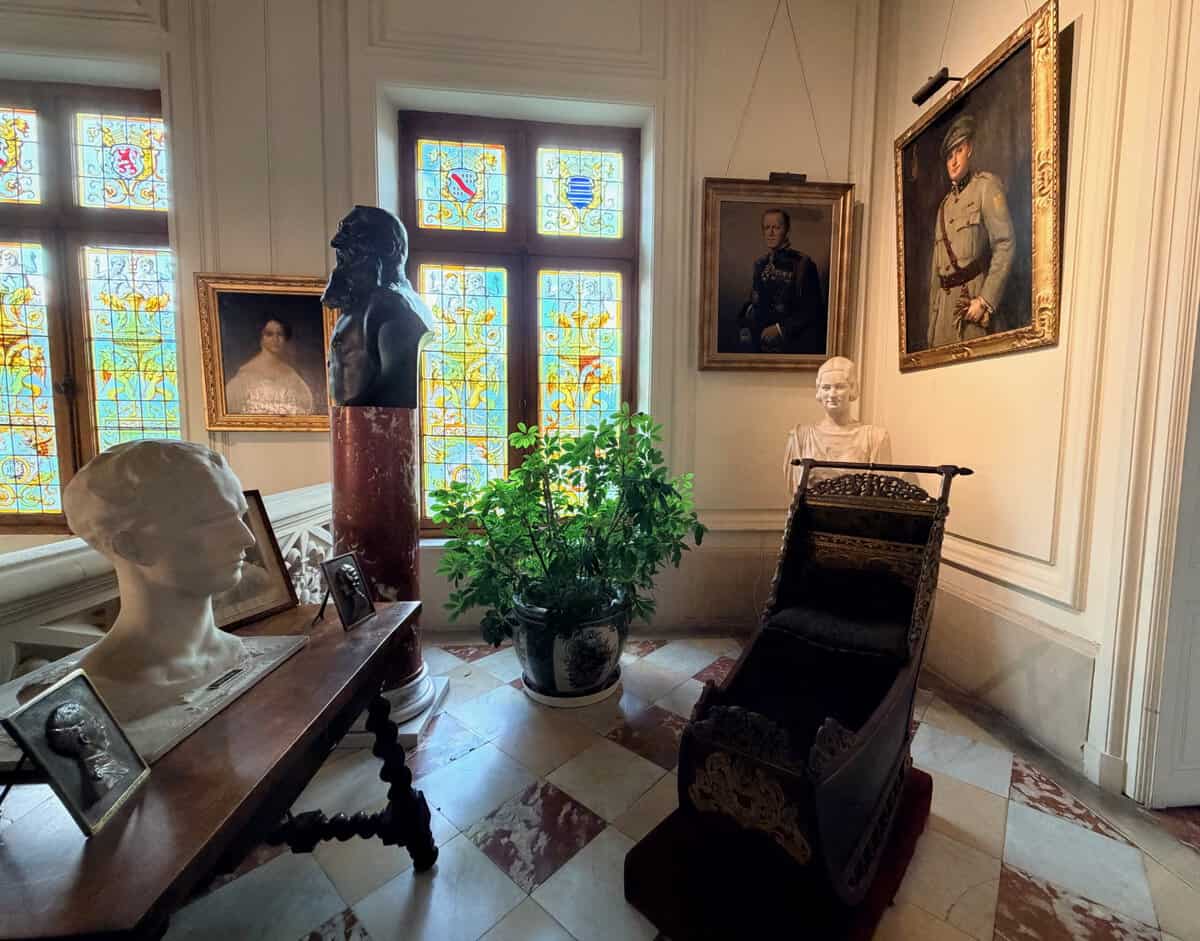
WWI ravaged the area. The Count told us that German forces had commandeered the castle during the war. It was relatively unscathed during the hostilities, other than the windows. New windows were installed in 1919 to replace those that had been shattered in bombings. He also said that a bomb had exploded on the very courtyard in which we stood, killing 32 Germans and two villagers.
A Private Home
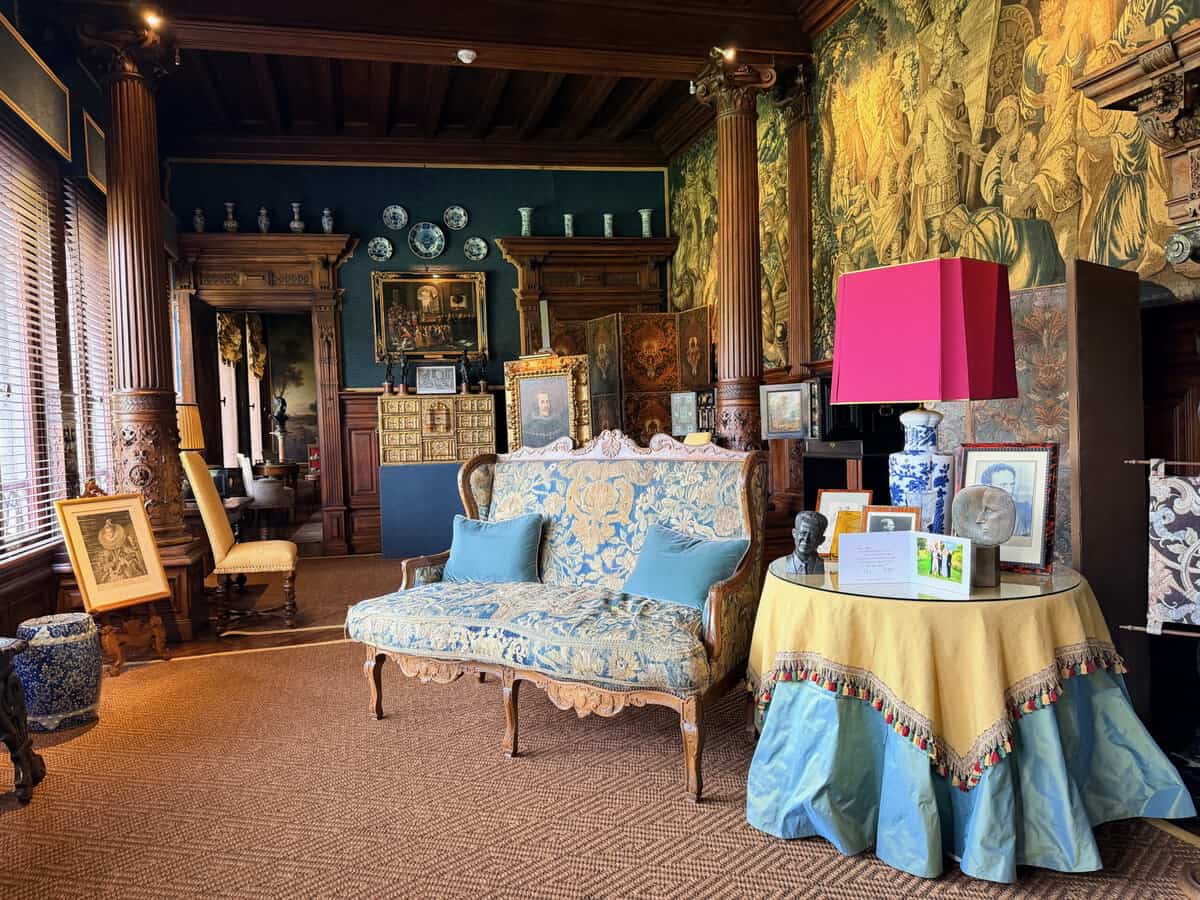
As we followed the Count inside, he reminded us that Ooidonk Castle is not a museum. It is his family home. He was born in the grand house and expects it will eventually be his final resting place. He was justifiably proud to show us room after exquisitely decorated room and explained in detail about the splendid furnishings and art his family has collected for centuries.
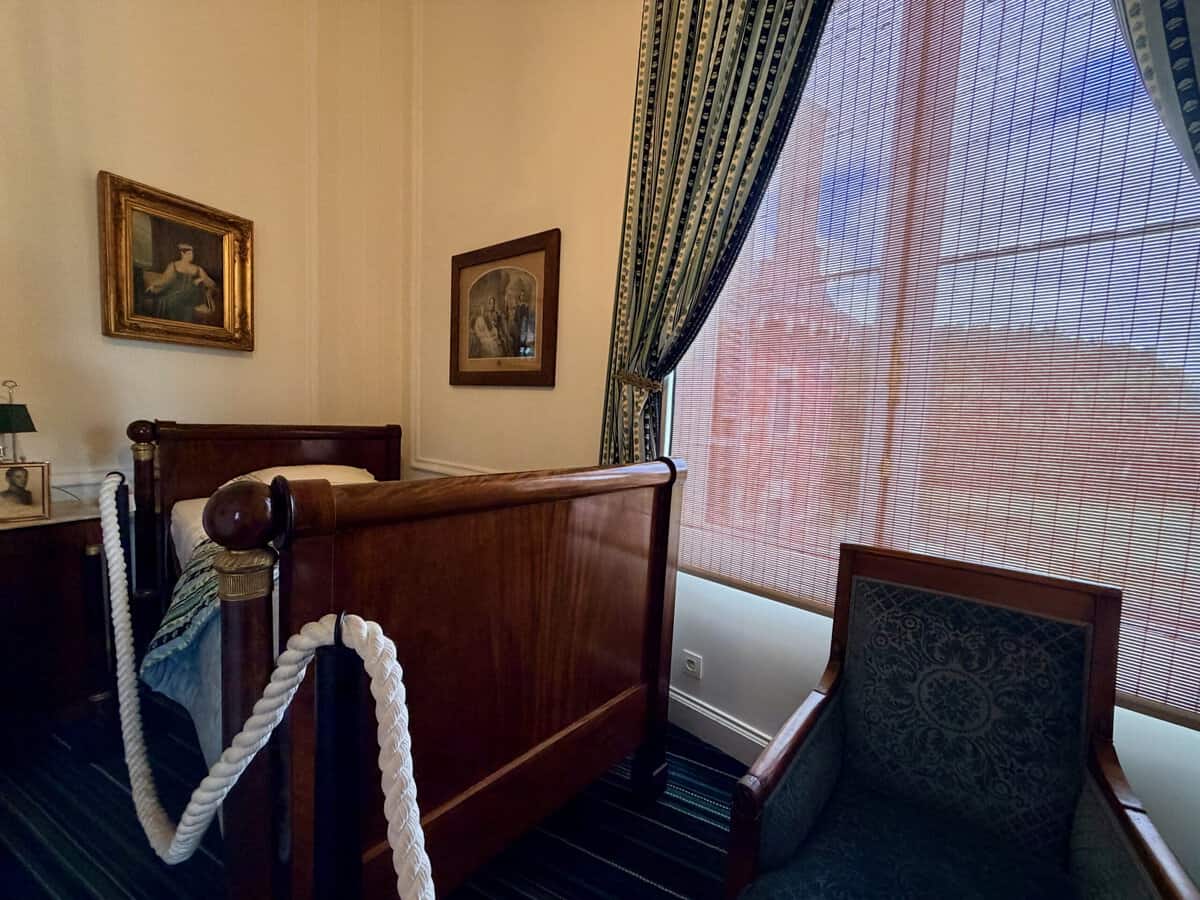
He pointed out that many of the rooms, bedrooms in particular, are furnished entirely in the Empire or Napoleonic style. Mahogany columns, swan and eagle motifs, gilt bronze on furnishings, and the use of striped fabrics and straight lines characterize the period.
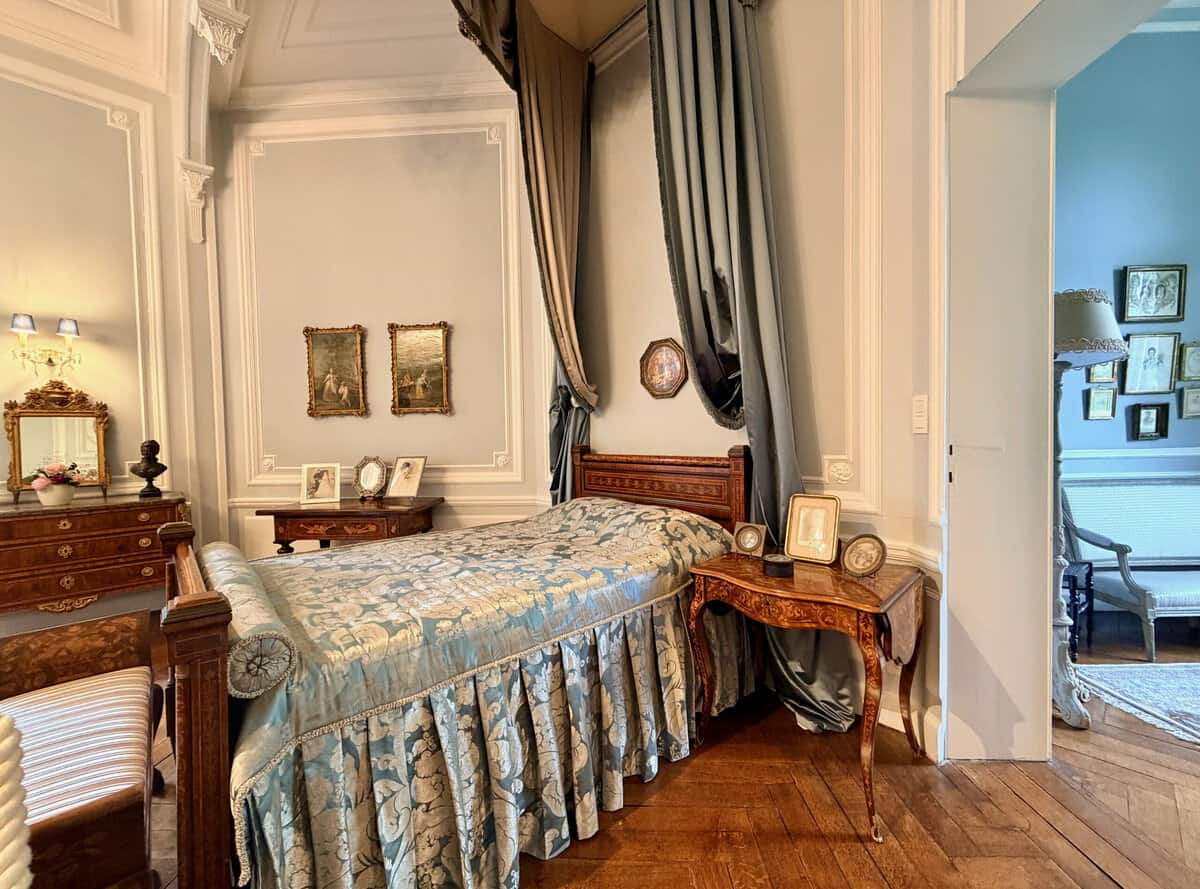
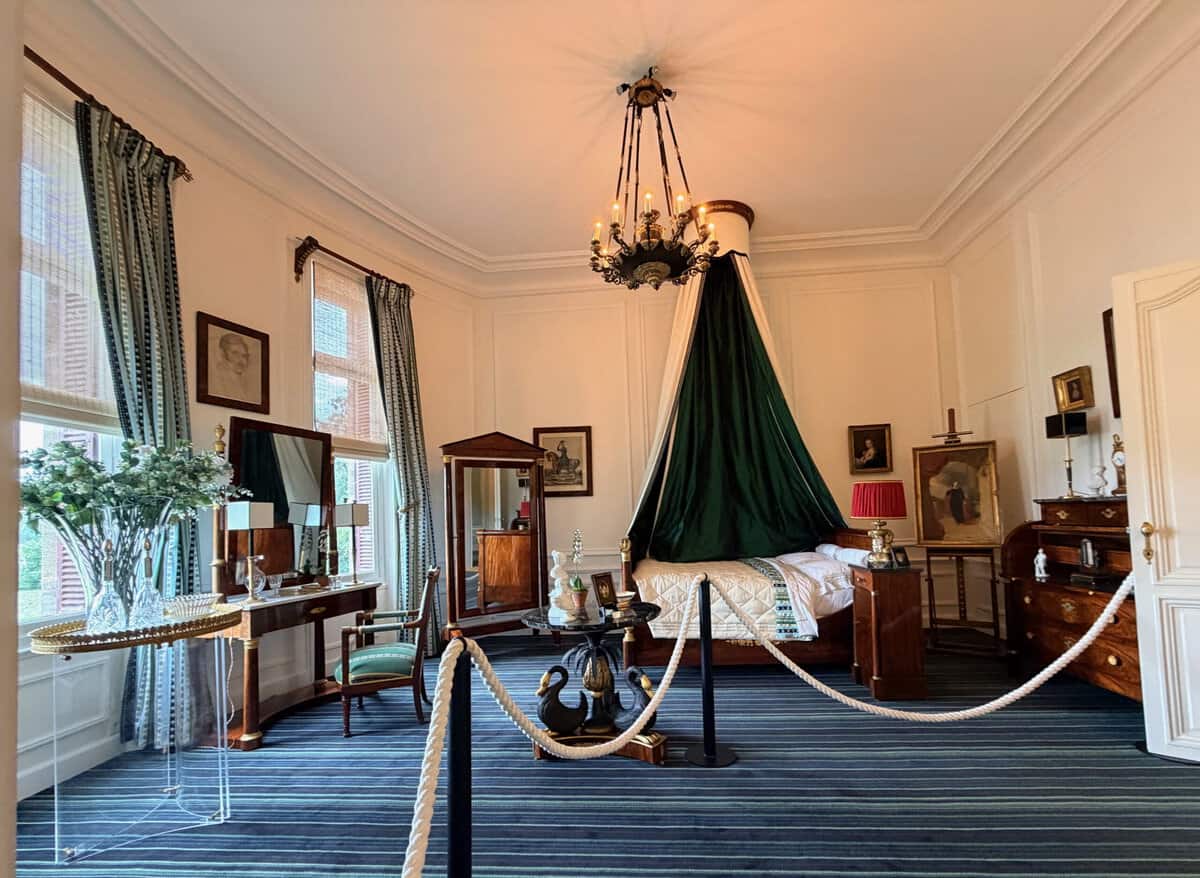
Some rooms showcased Egyptian influences, others were done in Antwerp and Italianate style. He also showed us furniture made by Dutch craftsmen using exotic woods brought from the colonies. These pieces are notable for their beautiful marquetry and intricate carved details.
Exquisite Furnishings
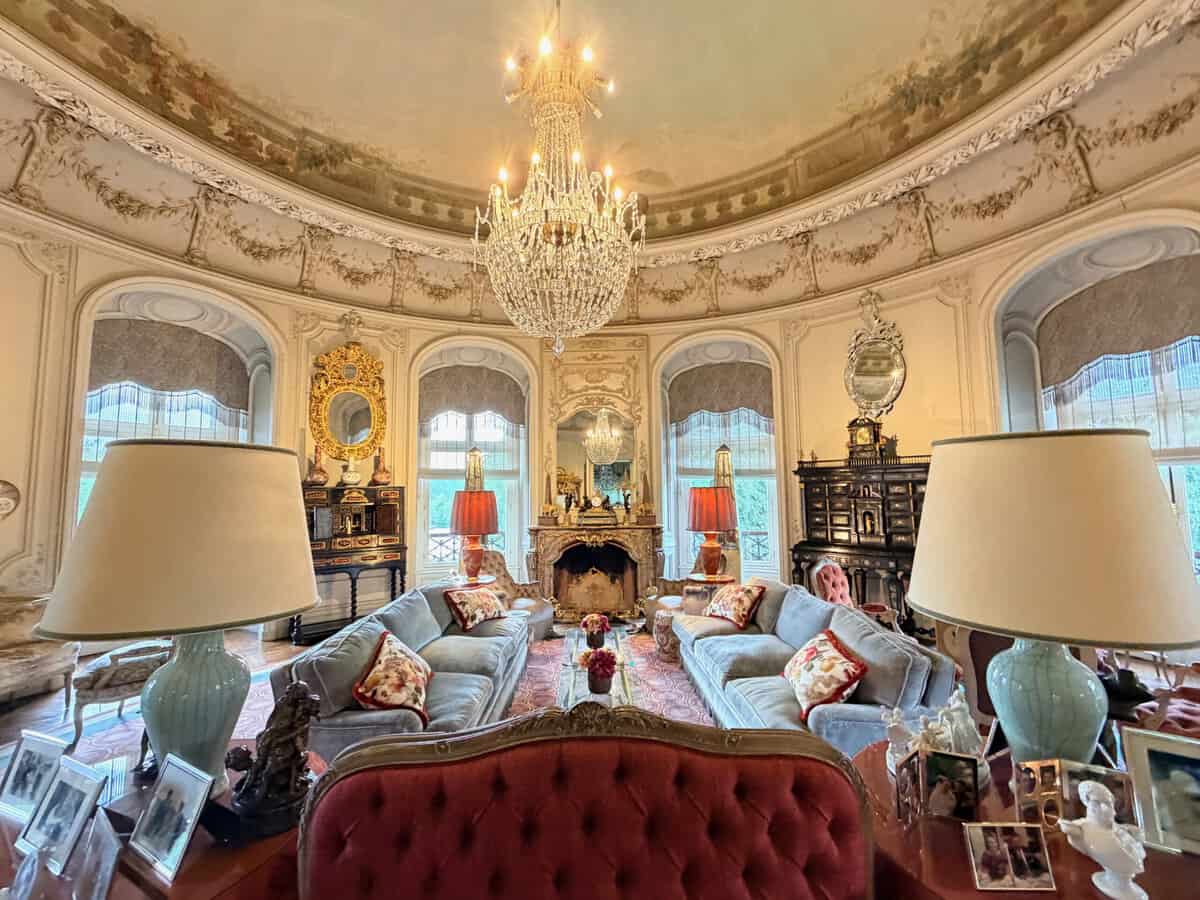
There are many exceptional pieces of furniture in the castle, but two of the most memorable are spectacular late 16th or early 17th century ebony wood cabinets created for travel. One is Italian-made. It features lapis lazuli and marble and is adorned with painted floral patterns and birds. The other is Antwerp-designed with the tortoise shell inlays popular at the time.
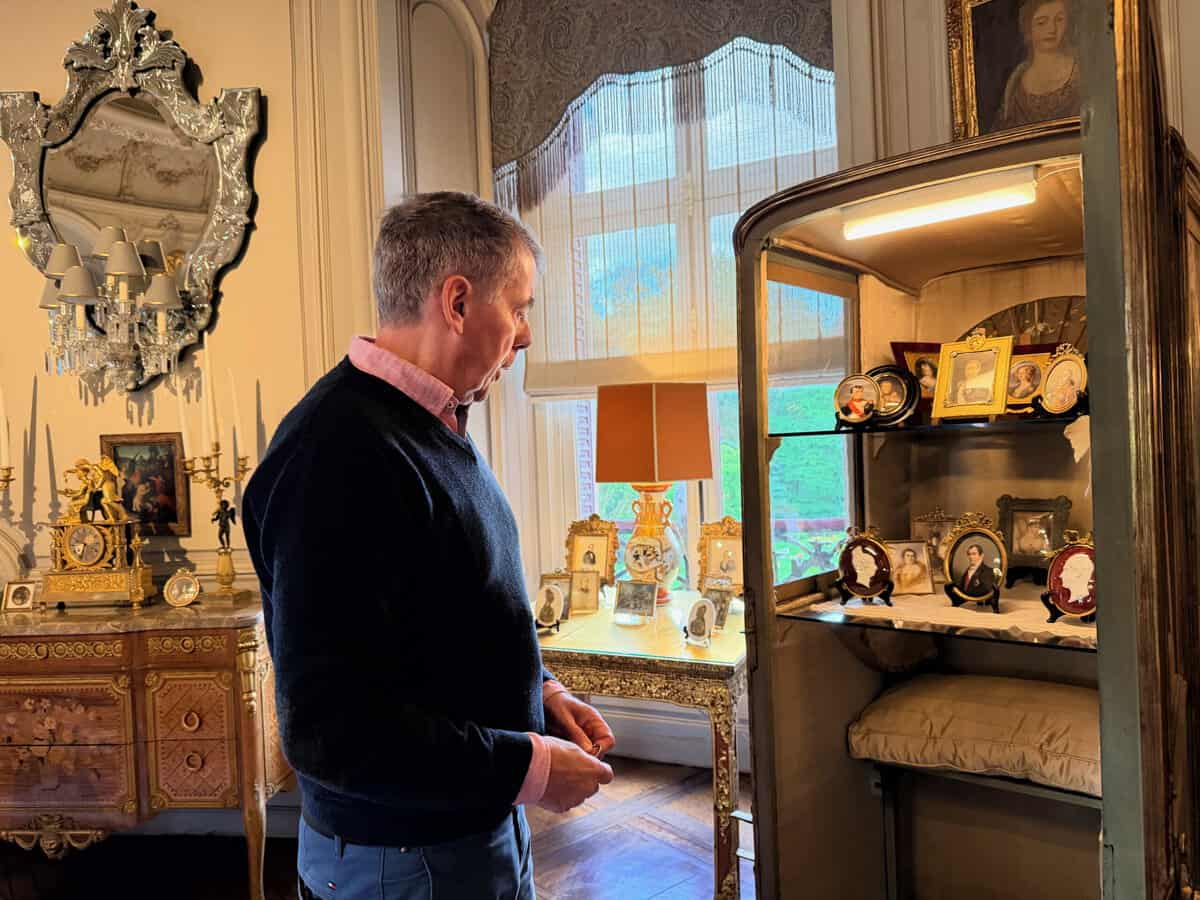
I also spotted a sedan chair. These were used to ferry ladies of high social standing through city and village streets during the 18th century. Streets at that time typically ran foul with mud and sewage which would sully expensive clothing and shoes. The Count showed us how the chair has been cleverly converted into a cabinet. Now instead of ladies in their finery, it holds miniature portraits.
Public and Private Rooms
There are more than 90 rooms in the castle and there is a clear separation between public rooms and private family quarters. All of the rooms are beautifully furnished with antiques and family heirlooms. Rooms for gathering, like salons, living and dining rooms, are sited to invite natural light and the warmth of the sun.
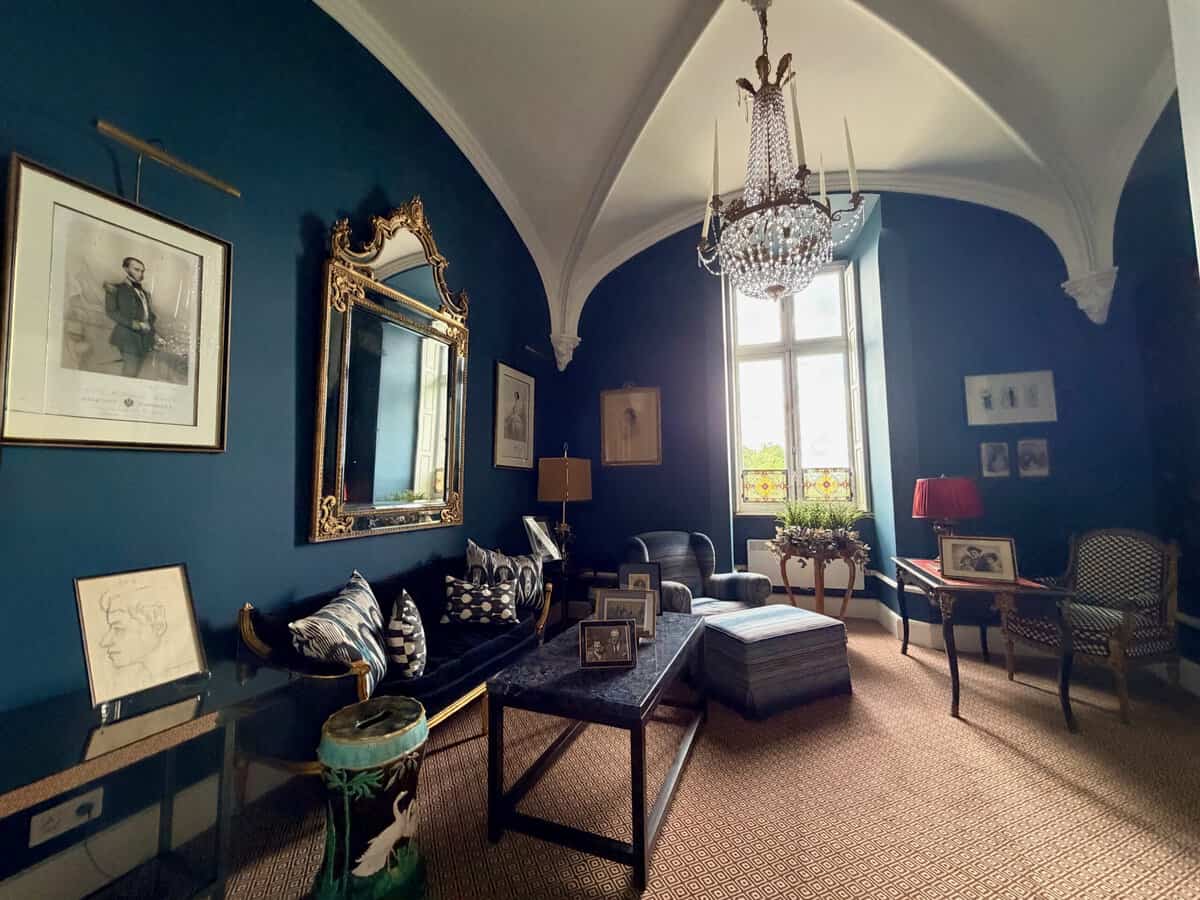
Bedrooms are mostly North-facing and feature fireplaces since there was no central heating when the improvements were made to the castle by the Count’s ancestors. Some of the bedrooms have 17th and 18th century beds, which didn’t allow one to fully recline to sleep. For a brief time, lying down was thought to invite death.
Private Chapel
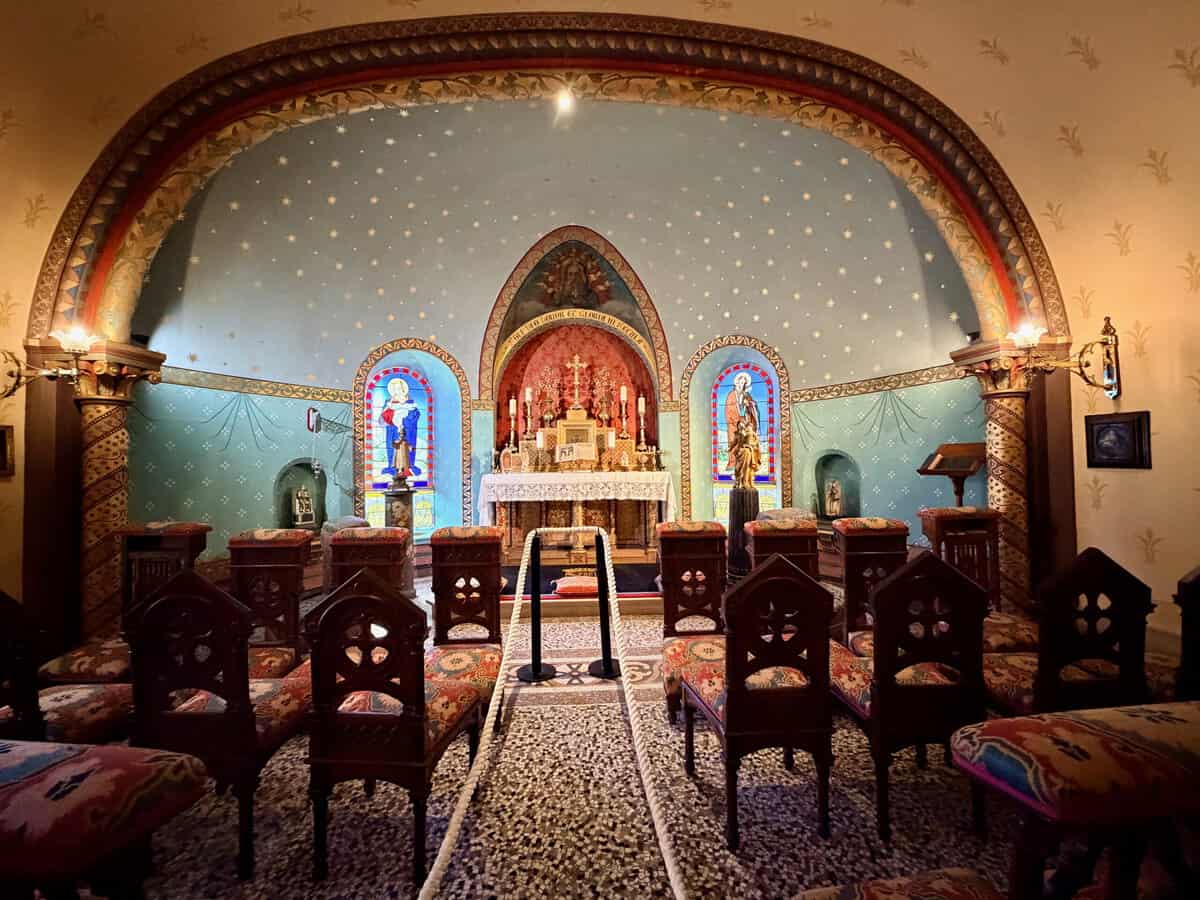
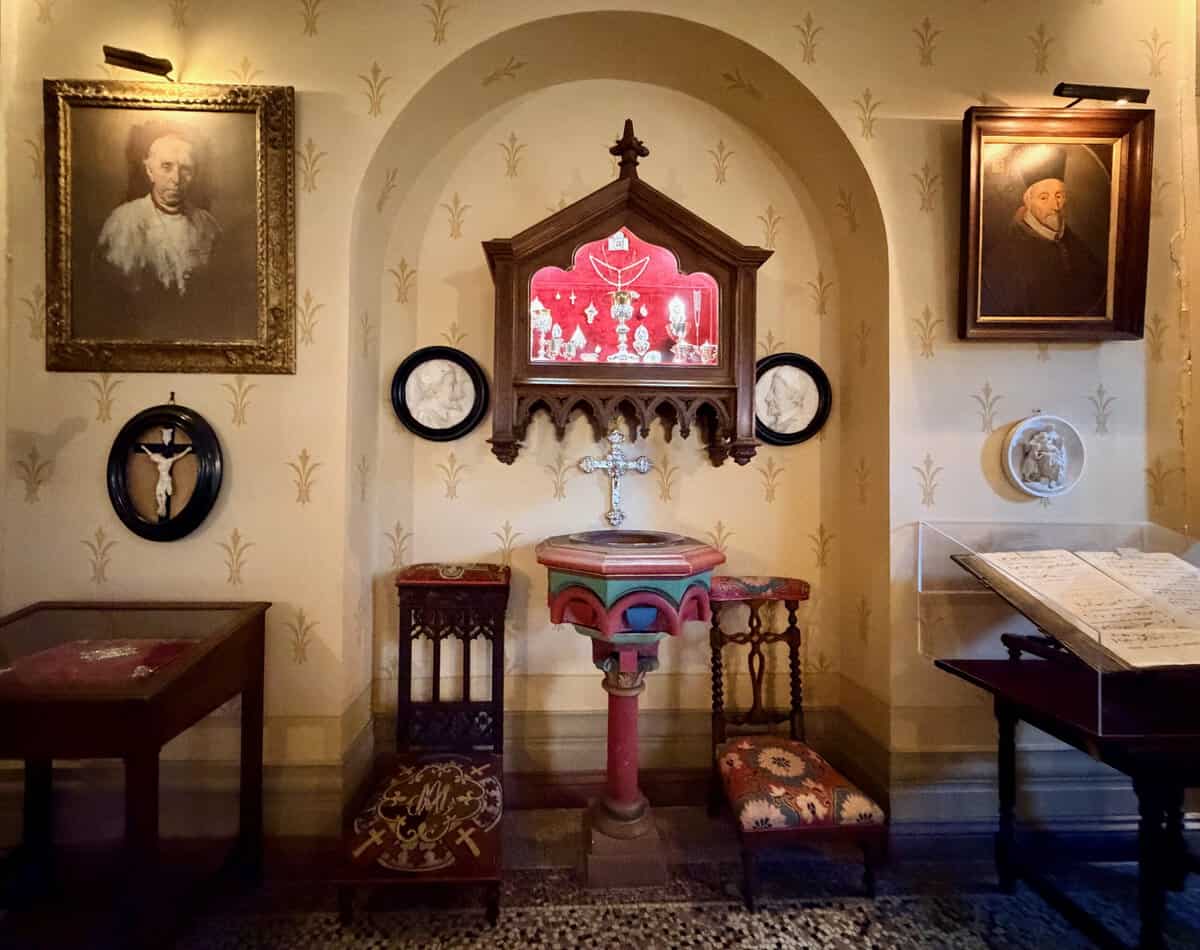
The castle has a private chapel, as would be expected in a wealthy Catholic home. It is situated at the top of the building because church doctrine forbade any rooms to be higher than the chapel. It is also sound proof to insure household noise doesn’t distract from one’s prayers and meditation. The chapel is used for private worship by the family.
His Home is His Castle
The walls throughout the Count’s historic home are covered in original art. There are tapestries, beautiful paintings, 17th century drawings, a portrait of Napoleon’s son, and and others memorializing two sisters garbed in Empire-period clothing who died in the early 19th century. There are spectacular clocks, an 18th century harp, porcelain, and objets d’art to admire in every room.
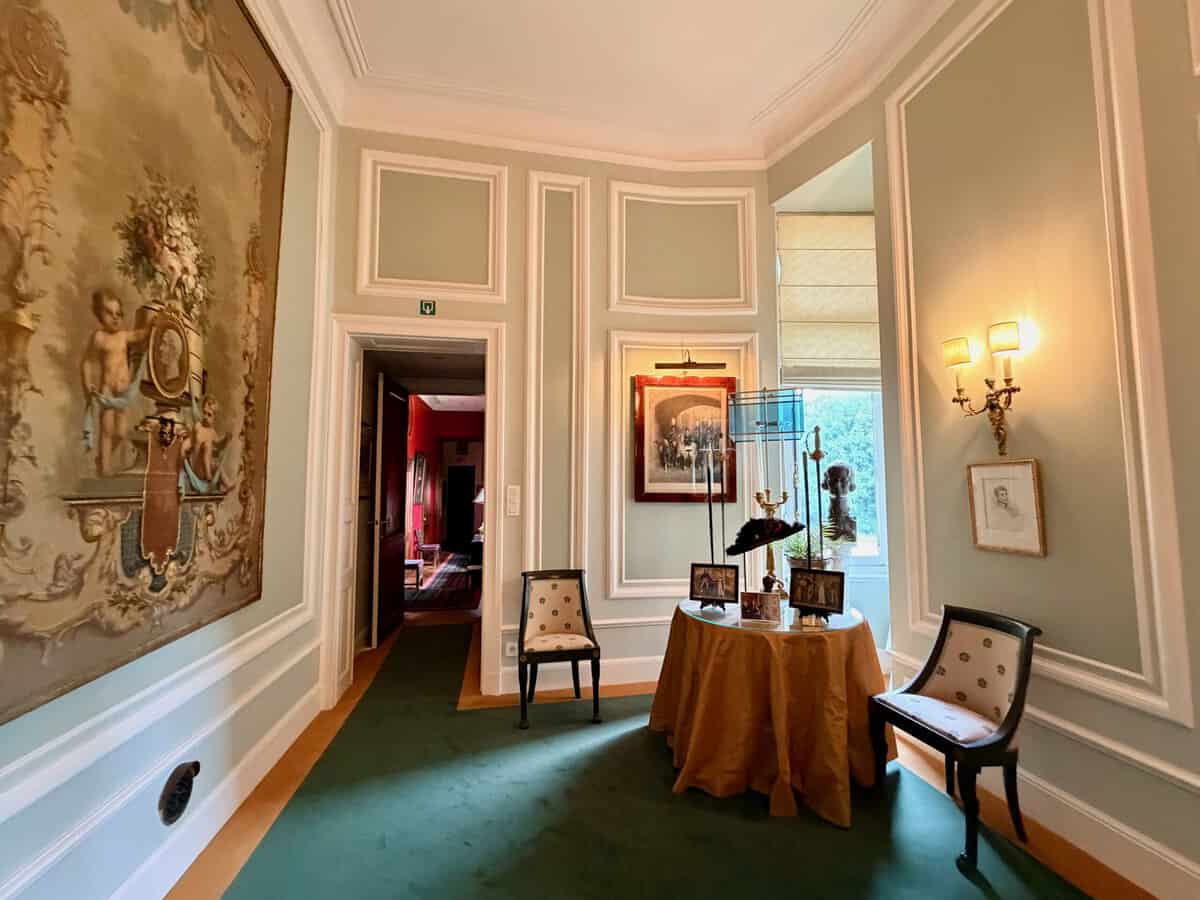
There are so many wonderful family treasures collected over hundreds of years here and we enjoyed learning about them from the Count. He also pointed out historical photos and documents on the walls as we walked together.
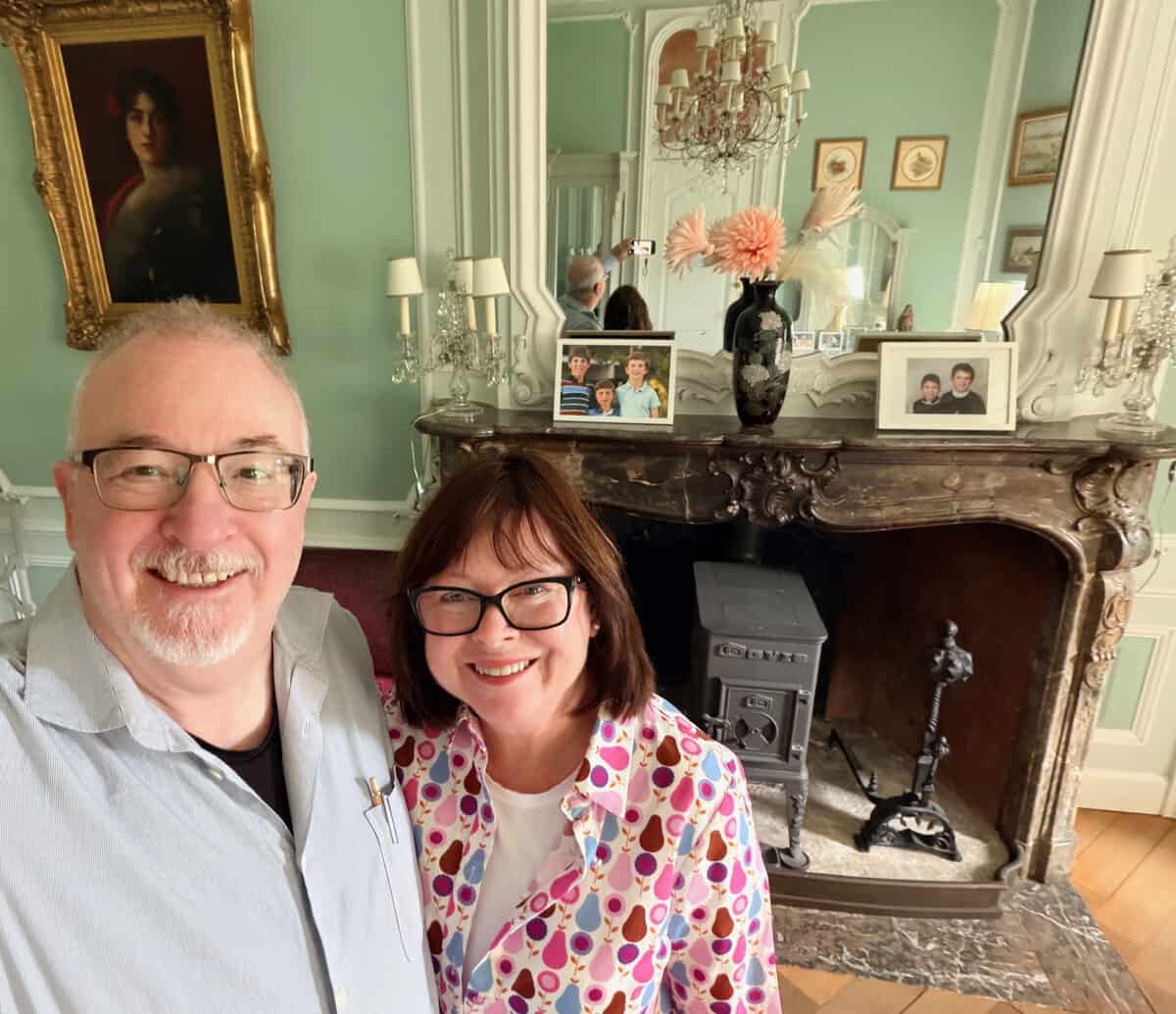
Many of the rooms display modern photographs of the Count and his family. They’re celebrating weddings, enjoying vacation time, and sometimes posing with royalty and Pope John Paul II. The photographs are a visual reminder that this is someone’s home and, in this case, his home is his castle, but you can stay here, too!
How To Stay or Visit Ooidonk Castle
To reserve a stay in the spectacular Ooidonk Castle book through Airbnb.com. Entry to the gardens is available Tuesday through Sunday afternoons. The cost is 4 euro for adults and 1 euro for children. The castle is a private residence and tours are given only on Sundays and public holidays April 1 through November 1. There are no self-guided tours.
Make reservations by phone +32 (0)9 282 26 38 or email [email protected]. Tours are 15 euro for adults and 4 euro for children. Click here for information about overnight stays, garden visits, castle tours and for information about the public events held on the castle grounds throughout the year.
Written and photographed by Jeanne Neylon Decker
Note: Photography is not permitted inside the castle. The Count generously granted me permission.
This and all materials published by TravelTawk.com are protected by US Copyright Laws and may not be reproduced or distributed without permission.
This post may contain affiliate links. If you click and book, I may receive a small commission at no additional charge to you. Thank you for your support.


No Comments