Archives

It’s Time to Stop and Smell the Roses in Portland

A visit to Portland’s world famous International Rose Test Garden is truly a treat for the senses. The heady fragrance of thousands of roses greets you even before you see them. Here on 4.5 acres in the city’s Washington Park, high above Portland’s hustle and bustle, visitors will delight in the sights and aromas of more than 10,000 individual plants and 650 different varieties of gorgeous roses.

About 700,000 people visit Portland’s International Rose Test Garden each year.

With whimsical names like Angel Face, Candy Cane Cocktail, Carmel Kisses, Champagne Wishes, First Crush, Falling in Love and Jump for Joy, giant blooms and tiny tea varieties give approximately 700,000 visitors a year something to smile about.

How about Gold-medal winning Sunshine Daydream to brighten your day?

These beautiful blooms are a delight to the senses.

Barbra Streisand, Bishop Desmond Tutu, Pope John Paul II, Dale Chihuly, Ingrid Bergman, George Burns, Coretta Scott King, Dick Clark, Marilyn Monroe and England’s Queen Elizabeth are among the luminaries who have a namesake rose here.

Well-known people from around the globe including artists, philanthropists, world and religious leaders have namesake roses here.

While the peak month for rose viewing is June, our visit in August was sensational. According to the Portland Parks & Recreation Department, which owns and manages the Rose Garden, roses are in bloom from May through October.

These floral favorites were glorious even in August.

Plan accordingly–we arrived in April one time and were disappointed to see we’d come too early. We enjoyed a stroll through the lovely Japanese Garden across the street instead.

More than 650 varieties of roses are grown here.

“Hot Cocoa” seems right, even in the summer.

The oldest continuously operating public rose test garden in the U.S., Portland’s International Rose Test Garden just celebrated its 100th birthday. The centennial was marked this August with music and other activities.

Portland recently celebrated 100 Years of Roses– that’s why it’s called the Rose City.

During its 100 years of operation the Rose Test Garden has served as just that—a testing ground for new varieties of this floral favorite. During World War I, the Garden also became home and protector of European-grown rose varieties threatened by bombing.

Admission is free and so are guided tours given at 1 p.m. daily from Memorial Day through Labor Day.

To get the most from your visit, download a self-guided tour or join one of the free guided tours offered daily at 1 p.m. from Memorial Day through Labor Day. Enjoy the roses during your visit but remember, absolutely no plantings or cuttings can be removed from the Garden.

Dick Clark’s namesake rose won “Portland’s Best Rose” last year.

Admission to the Rose Garden is free. There is limited metered parking available. Consider taking public transportation or a ride share to reach the Garden. Take Trimet MAX to Washington Park and then use the free shuttle from the station that runs throughout the Park.

The next time Portland, Oregon is on your itinerary, treat yourself to a visit here and find out why it’s called the Rose City. And take time to smell, the well… you know!

A Walk in the Woods—Portland’s Hoyt Arboretum

If you enjoy a walk on the wilder side, visit Portland’s Hoyt Arboretum. Just up the hill in Washington Park from the refined and well-manicured Japanese Garden, nature lovers will find 12 miles of rustic trails that run through the 187-acre park.

Visitors can explore 12 miles of rustic trails, many fairly rugged. There are two miles of trails suitable for strollers and wheelchairs.

Trails are well marked and lead to “family” groupings of trees.

The Hoyt Arboretum boasts 6,000 plants and trees representing 1,100 species and it’s free to visit. The trees, first planted in the 1930s by John W. Duncan, are grouped with others they are related to, in areas closest to their natural, native habitat.

The Hoyt Arboretum is a nature lover’s paradise in Portland’s Washington Park.

Visitors can meander down the Magnolia Trail to the Magnolia Grove or view a broad array of holly on the Holly Loop. You’ll find Oak Trail, Beech Trail, Maple Trail, Hawthorn Trail, Walnut Trail, Redwood Trail, Bristlecone Pine Trail— you get the picture. If you have a favorite kind of tree, chances are you can find it here, along with its closest relatives.

Volcano Vista is one of many scenic spots in the 187-acre “living museum.” Mt. Ranier, Mt. St. Helens, Mt. Adams and Mt. Hood are off in the distance.

Be aware that many of the trails are fairly rugged and not well suited to people with ambulatory challenges. There are, however, two miles of trails appropriate for strollers, wheelchairs and less sure-footed visitors. Be sure to wear comfortable walking shoes for your Arboretum adventure.

The Magnolia Grove was a personal favorite. There are so many varieties of this beautiful flowering tree to enjoy at the Hoyt Arboretum.

The Hoyt Arboretum hosts 90-minute tours on many Saturdays, but it’s best to call or check the website www.hoytarboretum.org to confirm the schedule. In the autumn, there are Fall Color Tours and during April, which is Arbor Month, volunteer docents guide visitors on the Magnolia and Spring Blossom Tours. A $3 donation is suggested for the tours.  Check with the Arboretum for other tours and events throughout the year.

Check out the guided Magnolia and Spring Blossoms tours, held on Saturdays in the Spring.

The Hoyt Arboretum is pet and family friendly.  We encountered a number of families with cavorting canines and energetic children frolicking in the meadow areas.

Daffodils, a sure harbinger of Spring, were blooming in the Winter Garden during our recent visit.

The Visitor Center, which includes a small nature center and a research library, was closed when we visited, but the restrooms were open. There were brochures available, which included handy trail maps.

There was something to delight the eye in every area of the Hoyt Arboretum. This is a view of the Winter Garden.

There is a Winter Garden to explore and a picnic area when you’re ready for a break. There are no cafes or restaurants on the Arboretum’s grounds so come prepared. We often stop by Elephant’s Deli on NW 22nd Avenue. It’s a great place to pick up provisions on your way to Washington Park. You can order everything from pizza to black bean burgers, prepared while you wait, or order ahead for sandwiches, sack lunches, full picnics, and platters. They also have “grab and go” items, a full bakery, and plenty of specialty foods and gift items. A complete menu is available at www.elephantsdeli.com.

Specialty foods, full picnics, platters, pre-packaged salads and sandwiches, side dishes, baked goods and more are on offer at Elephant’s Deli.

Get a pizza, fried chicken, burgers and other entrees to bring to the park or enjoy before you go. There are no dining facilities at the Hoyt Arboretum so be prepared.

There is a small pay parking lot at the entrance to the Hoyt Arboretum or take the free Washington Park shuttle bus up from the transit center (Max Red or Blue lines to Washington Park). The complimentary shuttle runs around the park from April through October. For current information, please visit www.explorewashingtonpark.org and enjoy your walk in the woods in this remarkable spot in Portland.


Seeking Serenity at Portland’s Spectacular Japanese Garden

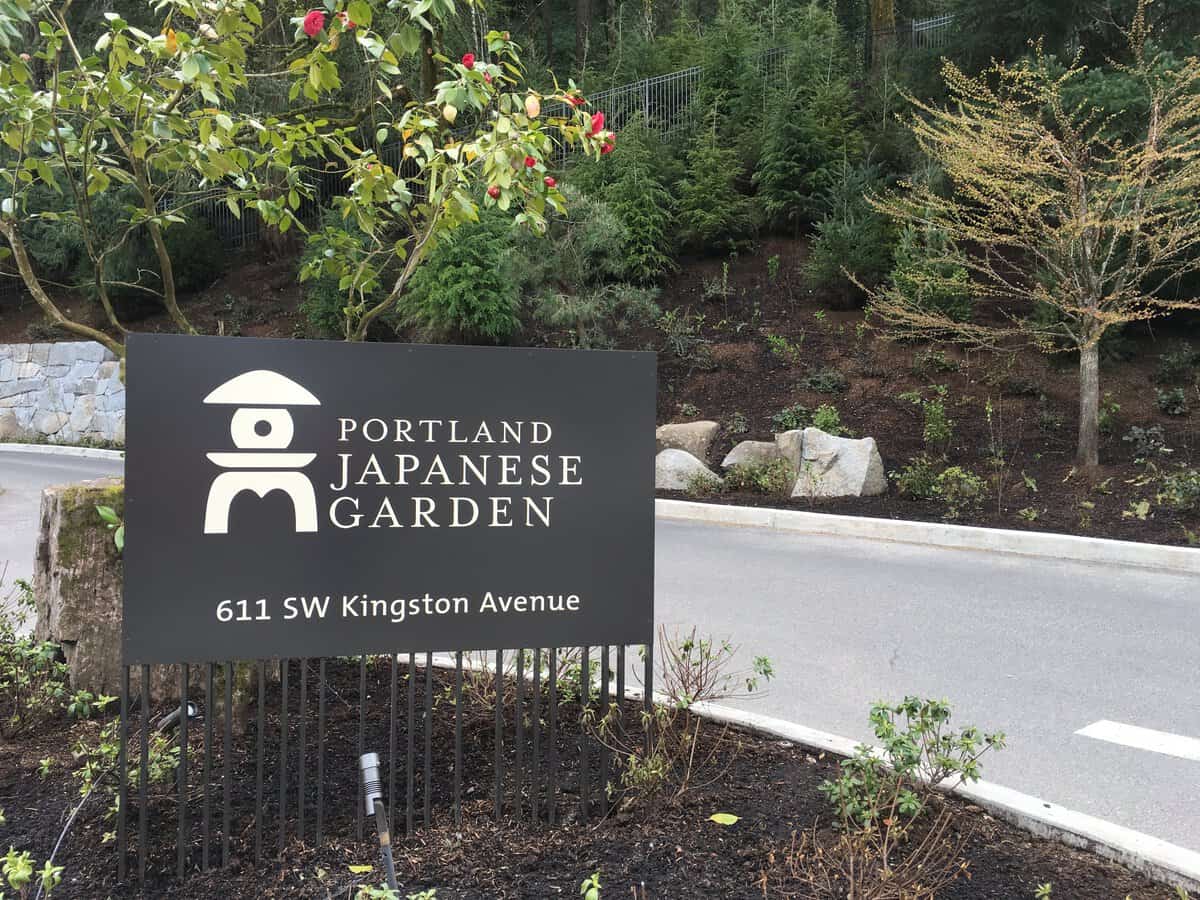
Gorgeous grounds, stunning views and an authentic Japanese experience have been delighting visitors to Portland’s spectacular Japanese Garden since 1963. Now, the beautiful 12-acre oasis, which includes five separate gardens with plenty of peaceful seating areas for reflection, a Japanese Tea House, tranquil ponds, and meandering paths perfect for contemplation, has even more to offer. Last month the new $33.5 million Cultural Crossing opened to visitors.

Follow the footpaths, steps and bridges that lead to each of the separate and distinctive garden spaces within Portland’s Japanese Garden.

The new $33.5 million Cultural Crossings expansion project includes new exhibition space, library, tea house and additional garden areas, all designed to enhance the authentic Japanese experience for visitors.

Designed by respected architect Kengo Kuma, the Cultural Crossing’s new buildings provide the perfect showcase for traditional Japanese arts and culture and serve as a venue for family-friendly activities and interesting demonstrations. An already popular attraction is even more appealing with the new expansion project. No wonder the lines for tickets are long. Purchase tickets online and check-in at the membership desk, exchange your voucher for a ticket there, and avoid the serpentine lines that are sure to continue for some time.

Minutes away from Portland’s busy streets, the Portland Japanese Garden is an oasis of tranquility.

Many visitors take the complimentary shuttle up to the gardens and walk back down to the parking area along the paved pathways.

Visitors can either take a complimentary shuttle bus or walk up the pathway to the open and airy Japanese Arts Learning Center–the heart of the new project with performance space, library and classroom.

Young visitors take a break on the steps inside the new Jordan Schnitzer Japanese Arts Learning Center.

The ground level Tanabe Gallery currently hosts an exhibition of ceramics, calligraphy, and sculpture by former Japanese Prime Minister Hosokawa Morihiro.

A delightful display of ceramics, calligraphy, and sculpture by former Japanese Prime Minister Hosokawa Morihiro are currently on exhibit in the Tanabe Gallery and Pavilion Gallery.

The expansive display, Hosokawa Morihiro: The Art of Life, a Rebirth in Clay, continues in the Pavilion Gallery, which also includes a portable teahouse.   Two additional “Art in the Garden” showcases, one featuring Kabuki costumes and the other, Noh masks and costumes, are scheduled for later in the year. The Japanese Garden will host related events and activities associated with both.

A portable tea house with the implements needed to perform a classic Japanese tea ceremony are part of the current exhibition. Noh masks and costumes and Kabuki costumes will be featured in the galleries later this year.

Now, to explore these magnificent gardens! The Strolling Pond Garden was our first stop, after a visit to the Learning Center and Gallery. Visitors can walk across the “iconic Moon Bridge” over the Upper Pond and enjoy the views.

Stroll the “Zig-Zag Bridge” over the Lower Pond which is surrounded by iris. It had not quite bloomed at the time of our visit, but was close. The aptly named Heavenly Falls provide the perfect backdrop to the Lower Pond and were a popular “selfie stop.”

The Heavenly Falls provide the perfect backdrop for contemplation or photo opps.

Follow the rough stepping stones along a lantern- lined path through the beautiful Japanese Tea Garden to the authentic Kashintei Tea House. Typically, the tea garden is a place to appreciate nature’s beauty and “the art of living in harmony” while leaving the cares of the world behind. This is certainly the case at the Portland Japanese Garden—it is so serene it’s easy to forget you are mere minutes from busy city streets.

Visitors are invited to leave their worldly cares behind when they explore the authentic tea garden and Kashintei Tea House.

The Kashintei Tea House, which is where tea demonstrations and related events are held, was brought to Portland from Japan and reassembled here.

Contact the Japanese Garden to learn when tea demonstrations and other events are scheduled for the Kashintei Tea House.

The Portland Japanese Garden has a lovely Sand and Stone Garden, created by Professor Takuma Tono, the Garden’s chief designer in the 1960s. These “dry landscape” gardens are sometimes called “Zen Gardens” because they are often found at Zen monasteries and are meant to invite quiet contemplation. The Sand and Stone Garden here illustrates an important Japanese concept—“the beauty of blank space.”

Enjoy your moments of Zen at the Sand and Stone Garden.

Recent additions to Portland’s Japanese Garden include the Natural Garden, which features local plants not typically associated with Japanese gardens and depicts seasonal change.

The cherry blossoms were in full bloom during our recent visit to Portland’s Japanese Garden.

The small courtyard garden (Tsubo-Niwa) and the Ellie M. Hill Bonsai Terrace are both new and located near the Tateuchi Courtyard in the Cultural Village.

Visitors are treated to an exquisite display of bonsai at the new Ellie M.Hill Bonsai Terrace.

The Flat Garden, which highlights each of the four seasons with specific plantings and trees is popular with visitors. The weeping cherry tree on the left represents spring while a 100- year old maple depicts autumn.

The Flat Garden is meant to be viewed from a single angle either from inside a home, where the door or window serves as a frame, or from a verandah, as these visitors are doing.

The gravel stands in for water, signifying summer in the Flat Garden.

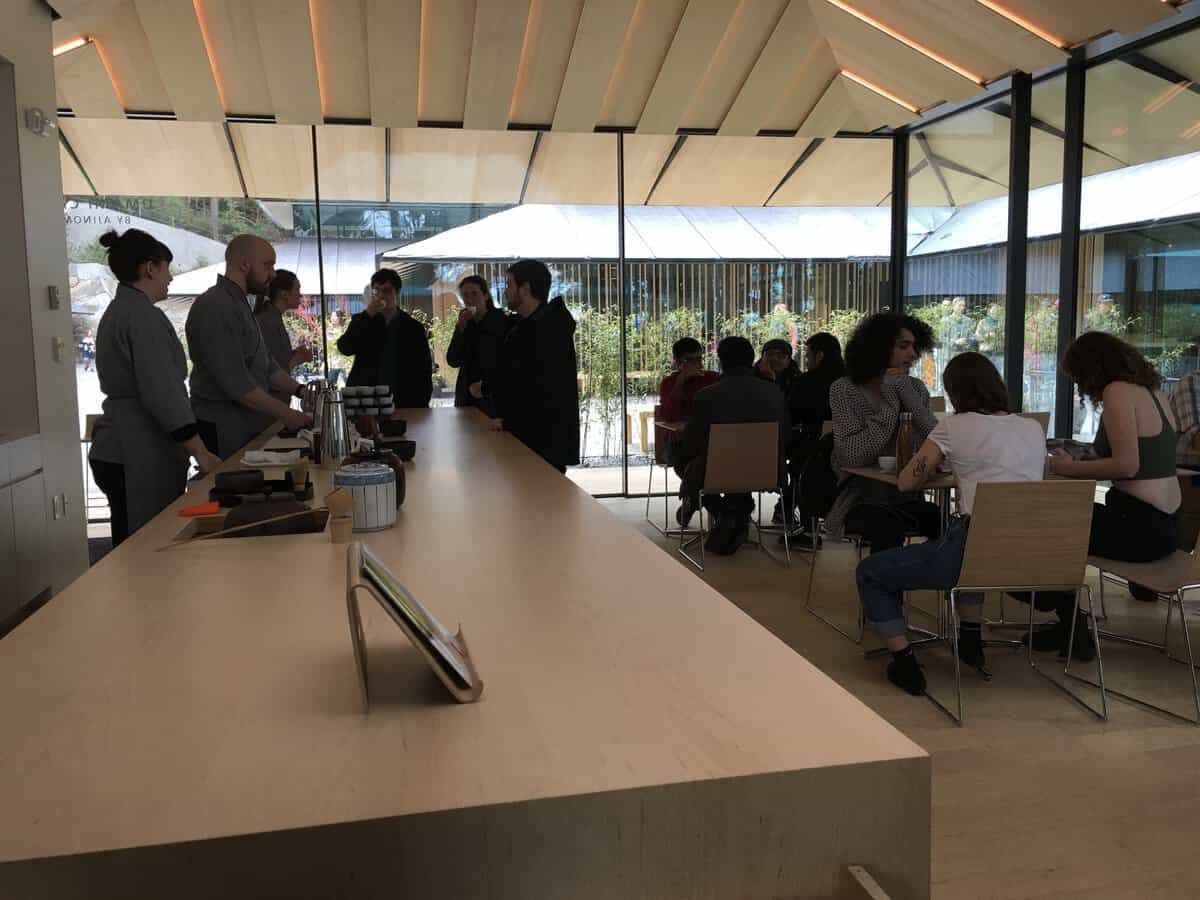
After you’ve finished strolling around the gorgeous gardens and interesting exhibitions, stop in and sample the fare at the new Umami Café. During our visit, just a week after the April 2 reopening, the café was not yet serving food but was offering complimentary samples of four delicious teas from Tokyo-based Jugetsudo Tea Company. (Update– Light snacks and sweets were available on subsequent visits.)

Stop in the new Umami Cafe for a restorative cup of tea and authentic Japanese sweets and snacks.

During our visit, guests were offered four different and delicious teas as part of a complimentary tea tasting.

When His Excellency Nobuo Matsunaga, the former Ambassador of Japan to the United States, visited the Portland Japanese Garden, he proclaimed it “the most beautiful and authentic Japanese garden in the world outside of Japan,” according to the organization.

Tranquil settings such as this one near the Upper Pond, have been drawing visitors since 1963.

They currently report more than 350,000 visitors annually, a number that will surely grow with the addition of the new Cultural Crossroads expansion. Be sure to add this spectacularly beautiful and serene spot to your Portland itinerary.  For updated information on tickets, events and hours click here.

Berlin’s Little Istanbul and the Turkish Market

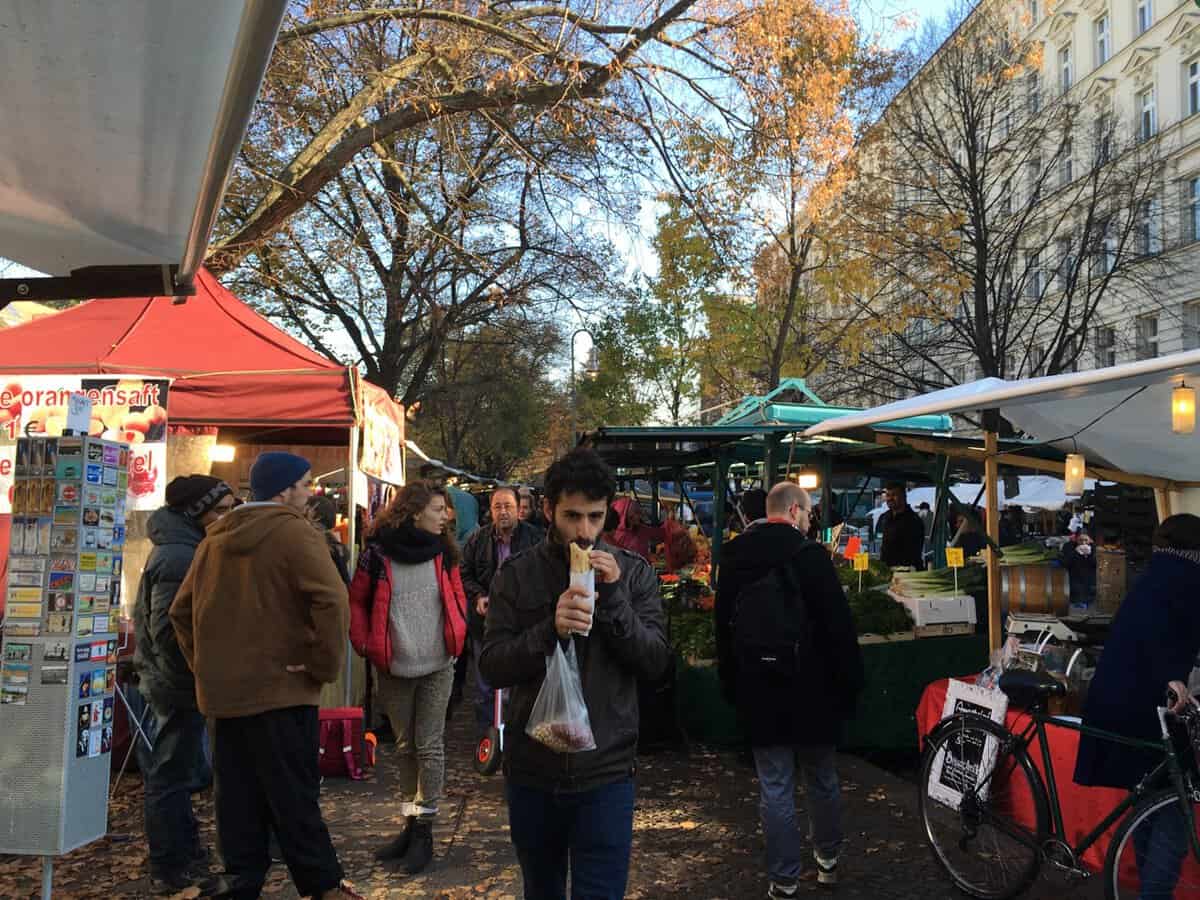
Berlin is home to the largest Turkish community outside of that country. In fact, approximately 200,000 Berlin residents claim Turkish heritage making them the city’s largest ethnic minority.  The Kreuzberg neighborhood in central Berlin, known as Little Istanbul, is home to many of them, including our server at the Ritz Carlton. It was she who suggested we visit the popular Turkish market on Maybachuferstrasse.

IMG_0393

Berlin’s Turkish Market is held Tuesdays and Fridays from 11 a.m. until 6:30 p.m.

Tuesday morning we jumped on the Number 2 Ubahn line at Potsdamerplatz, changed at Alexanderplatz (a major transit hub) to the Number 8 line and took it to Schonleinstrasse. We walked a few short blocks on Schinkestrasse heading East towards the Landwehrkanal and Maybachuferstrasse—home of Berlin’s largest outdoor Turkish market.

IMG_0386

Kreuzberg in central Berlin is known as Little Istanbul for its large number of Turkish residents, the largest community outside of Turkey.

IMG_0378

Fresh produce, spices and herbs are in abundance at the Turkish Market on Maybachuferstrasse.

IMG_0394

Shoppers line up to take home these kabobs.

Vendors set up shop from 11 a.m. until 6:30 p.m. on Tuesdays and Fridays and draw quite a diverse crowd from young mothers pushing their strollers to older residents in traditional garb to tourists looking for a quick bite from one of the many food stalls.

IMG_0408

The Turkish Market draws a diverse crowd.

IMG_0400

Fresh baked breads are one reason people flock to the market.

IMG_0416

Fish doesn’t get much fresher than this.

Merchants hawking fresh produce, baked goods, fresh fish, cheese, spices, flowers, clothing, toys, electronics, leather goods, table linens and a surprising quantity of fabric and sewing notions line the approximate half-mile on Maybachuferstrasse.

IMG_0410

Thread, buttons, ribbons, trim, and other sewing needs are all available at Berlin’s Turkish Market.

IMG_0385

Stalls with brightly colored bolts of fabric for clothing and household needs line Maybachuferstrasse.

Young people lounge along the canal enjoying impromptu musical performances by buskers while neighbors shop and chat. It’s a very lively scene.

IMG_0418

A cup of subtly spiced saklep, a hot beverage akin to a milky tea, is just the thing on a chilly autumn day.

IMG_0422

It was hard to resist these delicious looking, aromatic Anatolian delights.

We were very tempted by the delicious looking food on offer at the market but had reservations for lunch at Hasir, so we continued on.

IMG_0436

Hasir is a popular Turkish restaurant with authentic cooking and a casual vibe.

Though we probably could have walked, we were really hungry so we got back on the Ubahn and took the Number 8 one stop to Kottbusser Tor. A quick walk northeast on Adalbertstrasse brought us to the heart of Kreuzberg’s Turkish neighborhood and Hasir, located at Adalbertstrasse 10.

The casual restaurant features traditional Turkish dishes with lamb and kabobs playing a major role on the menu. The service was efficient but friendly, and the meals were well priced.  They get quite a crowd here and even after the typical lunch period, the restaurant was full.

IMG_0433

Lamb, salad and roasted pepper with traditional bread made a delicious lunch at Hasir.

IMG_0434

Entree portions are large enough to share.

After a delicious lunch we walked past several other eateries that were also part of the Hasir group, including a Hasir Express.

IMG_0441

We stopped into a local bakery and treated ourselves to some just baked baklava—delicious!

IMG_0440

We weren’t really hungry but the pastry looked so good we had to stop in.

On our way back to the Ubahn, we took a detour at the Istanbul Supermarket—an enormous Turkish grocery fronted by fresh produce stands.

IMG_0445

From the fresh produce outside, to the bounty within, this supermarket has everything a well-stocked kitchen needs.

IMG_0446

Tea time!

The market had everything from meats, cheeses, canned and packaged goods, to walls of teas and spices. I would have happily filled my shopping bag had we not been staying in a hotel on this trip.  Next time!

Note: This post has been updated from one I published earlier and contains affiliate links.  If you book through TravelTawk.com, I will earn a small commission at no cost to you.  Thank you for your support!


Written and photographed by Jeanne Neylon Decker

This article and all materials published by TravelTawk.com are protected by US Copyright Laws.

Treasures of Berlin’s Museum Island

Take a stroll through the Brandenburg Gate, down Unter den Linden, to the banks of the River Spree. There you’ll find some of the world’s most intriguing and important cultural treasures—the Ishtar Gate, the bust of Nefertiti and so many extraordinary antiquities, classical sculpture and masterworks, it is impossible to imagine they could all be in one place—but they are—Berlin’s Museum Island.

IMG_0852

Museumsinsel http://www.smb.museum is home to five separate historical museum buildings, each designed by a well-regarded architect of the time and now part of a UNESCO world heritage site. Here you will find the Pergamonmuseum, Altes (Old) Museum, Alte Nationalgalerie, the Bode-Museum, and the Neues (New) Museum.

IMG_0626

The museums on Berlin’s Museumsinsel are a treasure trove of important paintings, sculpture, and antiquities from around the globe.

According to Visit Berlin, more than 3 million people come each year to view the collections that range from prehistory to 20th century art. Savvy travelers will want to purchase a Museum Pass, which provides entry to 50 major and lesser-known museums, including the five on Museum Island, over three consecutive days for one low fee. The price was 24 Euro when we visited in November. Passes are available at Berlin Tourist Info points, in the museums, and online at Shop.visitberlin.com.

IMG_0859

The magnificent Ishtar Gate, believed to date from 170 AD, was dedicated to Zeus and Athena. It was brought to Berlin from Western Turkey in 1903.

The long lines and crowded galleries attest to the fact that the Pergamon Museum is on nearly every visitor’s short list of places to visit in Germany’s capitol city.   It should be. The magnificent Pergamon Altar, Ishtar Gate, and marvelous sculpture and other works from ancient Sumeria, Babylon, Assyria, and modern day Iraq, Turkey and Syria are all on display here.  Restoration is underway on the Ishtar Gate, but it remains open for viewing. The Pergamon Altar was closed for restoration during our recent visit and will reopen in 2019. We were fortunate to see it several years ago.

IMG_0866

Detail from the Processional Way, which leads to the Ishtar Gate, at the Pergamon.

IMG_0869

Stunning Roman mosaics cover the floor in the gallery that contains the Market Gate of Miletus, built in the 2nd century AD in Turkey and excavated and brought to Berlin in the early 1900s.

IMG_0901

The stunning Aleppo Room at the Pergamon, seen through protective glass walls.

IMG_0907

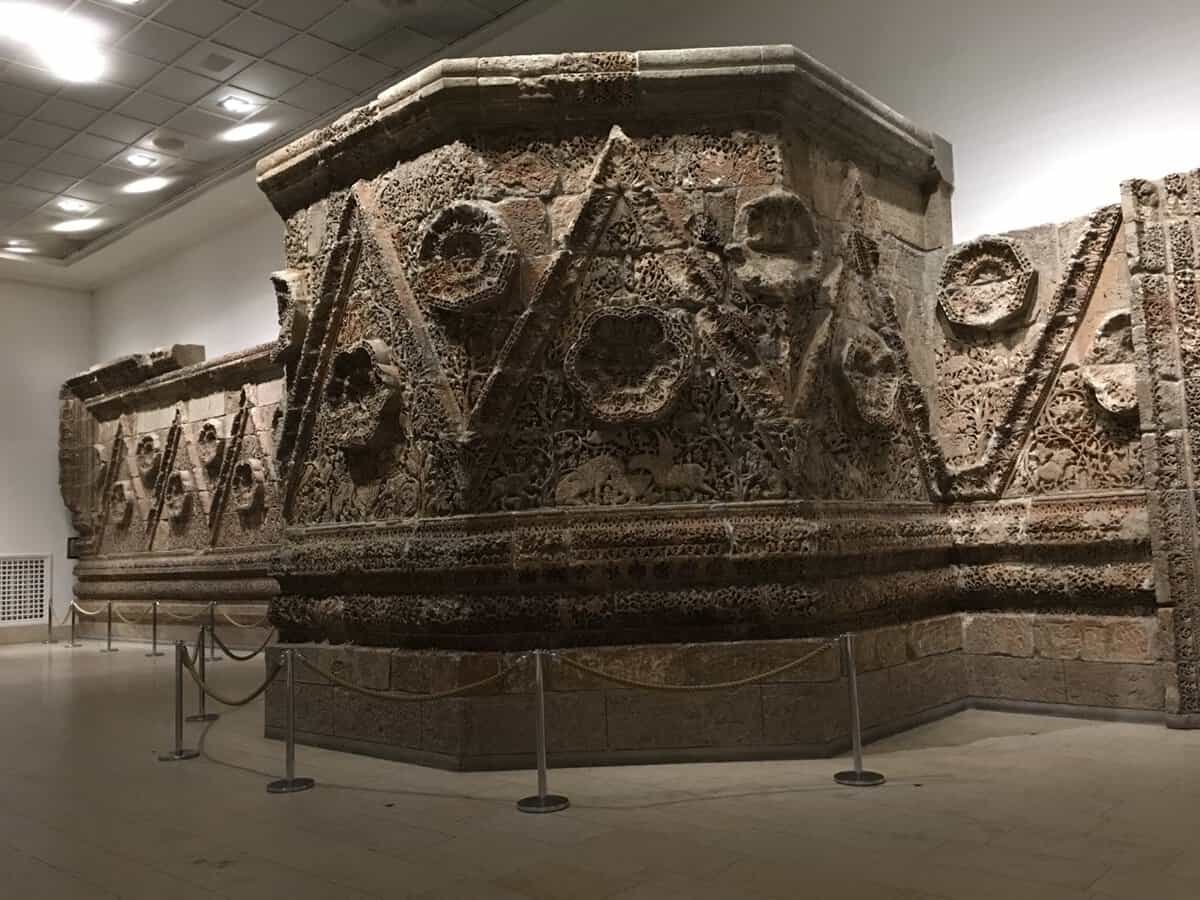
Facade of the Caliph Palace Mshatta from Amman/Jordan from the 8th century. The 33 meter long, 5 meter high facade was brought to Berlin in 1903 to the Bode Museum. In 1932 it was reconstructed in the Pergamon.

We practically had the galleries to ourselves when we visited the Bode-Museum in November. This beautiful museum boasts art from the Byzantine and Roman Empires, a spectacular sculpture collection spanning from the early Middle Ages to the late 18th century, and one of the most extensive numismatic collections in the world. We could not understand why the Bode wasn’t full of people enjoying these art treasures.

IMG_0842

Pedro Roldan’s Our Lady of Sorrows (Mater Delorosa) at the Bode-Museum.

IMG_0784

The Bode-Museum is known for it’s sculpture collection. Friezes, sacred art and other cultural treasures are also on display.

IMG_0838

Don’t miss the extensive numismatic collection at the Bode. It’s one of the most comprehensive in the world.

The Bode also has a lovely café where we enjoyed a delicious and very reasonably priced lunch along with views over the Spree. The cafe balcony overlooks the museum’s grand entrance below.

IMG_0815

IMG_0814

The comfortable cafe at the Bode was perfect for a light lunch.

IMG_0817

Save room for dessert!

If Impressionist works are more to your liking, visit the Alte Nationalgalerie, home to 19th century works by Renoir, Manet, Monet, and Cezanne, Adolph von Menzel and other well regarded artists of that time period. The Alte Nationalgalerie was the third museum to open on Museum Island.

IMG_0617

The Alte Nationalgalerie is home to a fine collection of 19th century paintings– part of Berlin’s State Art Collection.

Housed in one of Berlin’s most impressive neoclassical buildings, the Altes Museum was dedicated in 1828 by Friedrich Wilhelm III for “the study all antiquities and the free arts”. The museum’s permanent collection centers on classic antiquities covering Etruscan, Roman and Greek art and includes urns, vases, sarcophagi, friezes, pottery and sculpture.

IMG_0769

The Altes Museum is a popular destination for student and tour groups.

The 3300 year-old bust of Nefertiti is among the highlights at the Neues Museum, or New Museum. After sustaining significant damage during World War II, the building, which was designed by Friedrich August Stuler and constructed between 1843 and 1855, was abandoned. In 2003, extensive restoration began and the museum opened in 2009 with three main collections—Egyptian art from the Egyptian Museum and Papyrus Collection, prehistoric objects from the Museum for Prehistory and Early History, and classical antiquities. Visitors will find works from around the globe including the Middle East, North Africa, and Northern Europe at the Neues Museum.

For updated information on each of the museums on Berlin’s Museum Island and details on permanent collections, temporary exhibitions, admission, hours and directions, please visit http://www.smb.museum.

Note: The banner image is the Cathedral of Berlin known also as Berlin Dom, located on Museum Island.  In addition to church services, the Berlin Dom is open for tours. Numerous concerts and other events are also held there throughout the year. To the right is the Berlin TV Tower, constructed by the Soviets during the Cold War and now a popular tourist destination.

36 Years After the Fall of the Berlin Wall–Take a Peek Behind the Iron Curtain

IMG_0606

A Look at Life in the DDR (German Democratic Republic)

Much of the world rejoiced when the Berlin Wall came down on Nov 9, 1989. Now 36 years later, two of Berlin’s museums give visitors a frighteningly clear view of what life was like for those caught behind the Wall when it was erected in 1961. Berlin’s DDR Museum ddr-museum.de on Museum Island, is a good starting point to witness life behind the Iron Curtain.

IMG_0468

Interactive displays show career paths available to East German residents.

The museum has an actual Trabant which was the only car manufactured in East Germany. Though costly, constructed partially from cardboard, and with a waiting list that could take 6 years or more– these small sedans were in high demand. It’s not surprising that Communist Party officials preferred Volvos. Visitors line up to sit in the driver’s seat and take a video- simulated drive through the countryside and city streets of the former East Berlin.

IMG_0466

Visitors can take a simulated spin in a Trabant at the DDR Museum.

A typical East Berlin apartment has been recreated inside the museum giving visitors a very clear idea what home life was like, right down to to what usual furnishings would have looked like.

IMG_0474

Books, magazines, television and decor give visitors a glimpse into home life in East Berlin during the Cold War.

IMG_0472

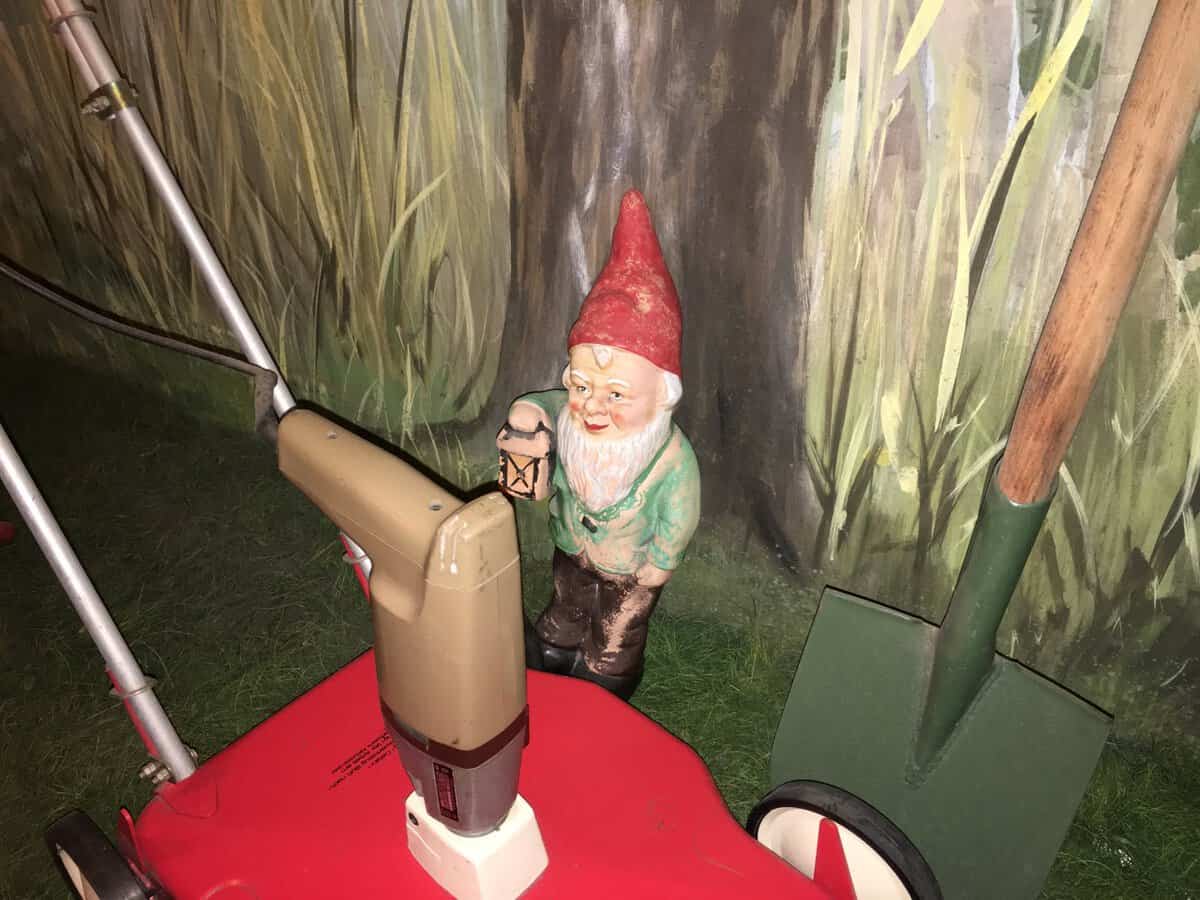
Garden gnomes were a popular addition to patios and lawns.

Even an outdoor patio area has been included– complete with a lawn chair and the ever-popular garden gnome that apparently graced a good many gardens.

IMG_0476

See what’s cooking in a typical East German kitchen.

Food supplies were limited for most East German residents, as a glimpse inside a typical kitchen cupboard shows. Selections were extremely restricted and canned goods played a major role in menu planning.

IMG_0479

Kitchen cupboard contents show a heavy reliance on canned and packaged foods.

Party higher ups had access to all the best the West had to offer and more, of course.

IMG_0485

There was no shortage of Western goods for those at the top echelons of the Communist Party.

The DDR Museum has wardrobes full of clothing and advertisements of the “fashions” at the time– 10 to 15 years behind the styles those in the West were sporting.  The fabrics used were ugly and uncomfortable and because fasteners were expensive, most garments had neither zippers nor metal closures of any kind. Levi’s and designer wear were reserved for those at the top, as the exhibits show.

IMG_0470

Fashionista frauleins in frumpy evening fashions.

Leisure activities are also featured, particularly the East German penchant for nude bathing and sun bathing which was in direct opposition to Communist Party policies. The Museum portrays these activities as subversive acts undertaken by far more than half the population. Photos show happy naked families enjoying outings in the great outdoors.

IMG_0491

Life in the former GDR is captured in photos, films and video displays at the DDR Museum.

The museum also has news clips, videos and more that tell stories of daring escapes made to the West, including one failed attempt made inside the belly of a stuffed cow.  Sadly, many failed attempts are heartbreakingly documented, as are some spectacular success stories.

IMG_0484

A bleak, solitary cell is on display at the museum. Would-be escapees could well have landed in a cell like this one.

Propaganda videos of East Berlin residents discussing their life experience are included and some of those filmed even complain that their housing is inadequate, though they are optimistic that their next family lodging will be more expansive.

IMG_0480

Military recruitment posters, Communist Party propaganda, social protocols– State sanctioned of course, are all part of the displays at the DDR Museum. It’s definitely worth a few hours to tour and explore this fascinating look at how people in the Eastern Sector really lived.

The DDR Museum is on the Berlin Welcome Card.

I Spy: The Stasi Museum

IMG_0528

The Stasi Museum is located in the secret police service’s former headquarters.

As we saw at the DDR Museum, life was not easy for most people trapped by the Berlin Wall in the East. Operating under the auspices of the Ministry of State Security, the Stasi, East Germany’s secret police, made sure that any dissent, real, or imagined, was immediately quashed. Known for their horrific methods of dealing with dissidents or provocateurs, they were indeed a force to be reckoned with and the Stasi Museum stasimuseum.de shows in great detail exactly how this secret organization carried out their reign of terror against ordinary citizens and perceived “enemies of the State.”

IMG_0538

Residents watch construction of the “Wall” that divided Berlin from 1961-1989.

The Stasi’s responsibilities included recruiting spies to inform not only on those behind the Iron Curtain, but also on Western residents and businesses. It was not unheard of for the Stasi to grab people off the streets on both sides of the Wall, using vans disguised as delivery vehicles.  The museum has an example of one of these and visitors can see how the inside of the van has been completely retrofitted into small individual prison cells.  Many who were picked up in these vehicles were never seen again.

IMG_0530

These ordinary looking vans were fitted out inside with individual cells for those unfortunate enough to be picked up by Stasi.

Neighbors were encouraged to report on one another as were family members, and as the records show, when the Berlin Wall crumbled, many relationships did too. It was not unusual for husband and wife to report on the other’s activities and when this came to light after Stasi records became public, divorces, already high in the East, increased dramatically.

IMG_0531

Informants were everywhere as the museum displays depict.

People were not paranoid to think that their activities were being monitored.  The Stasi photographed people at such mundane tasks as grocery shopping with cameras built into shopping bags.  The museum has examples of ties with cameras, belt cameras, cigarette packages that are actually cameras and more. Those old spy movies were not far from the truth.

IMG_0553

Cameras were built into everything from cigarette packets to watering cans during the Stasi’s reign.

IMG_0549

The tape on this radio indicates the only “approved” stations Stasi office workers were permitted to listen to.

A training film on view shows how agents would enter a home, photograph anything they found of interest, steal items and in some cases, deliberately move items around to make the person “under investigation” feel like they were losing their mind.  One case documented at the museum involved a psychologist who suffered from depression.  The Stasi regularly entered her apartment, moved things around, even substituted her tea bags with another brand, and did other strange things that eventually led to her suicide.

Another former DDR resident learned that the Stasi let the air out of her tires daily making her late to work—something that had puzzled her for a very long time. This was another kind of psychological sabotage in their large arsenal of such trickery—all documented at the Stasi Museum. The videos of the subjects of such subterfuge were fascinating.

IMG_0560

A “subversive” in custody measured, photographed and his “aroma” captured in the jar to the right.

The museum has plenty of exhibits that document those who were responsible for the devastation this corrupt government organization wreaked upon those on both sides of the Iron Curtain. In fact, visitors can see the office of Erich Mielke, the last Minister of State Security, which is presented almost exactly as he left it.

IMG_0545

This diagram shows exactly how Minister of Security Erich Mielke liked his breakfast presented.

Interestingly, many of the faces on displayed documents are blacked out likely because these individuals, who have never been prosecuted, are alive and well today.

For a chilling look at the Stasi’s operations, add this museum to your Berlin itinerary.

Note: This is an updated version of an article I wrote previously and contains affiliate links.  If you book through traveltawk.com, I may earn a small commission at no cost to you.  Thank you for your support!

Written and photographed by Jeanne Neylon Decker

This and all materials published by TravelTawk.com  are protected by US Copyright Laws.

Puppets in Palermo—A Stopover in Sicily’s Biggest City


Welcome to Palermo.

We took a drive right up the center of Sicily on SS624 to reach Palermo. The ride is scenic, beautiful and pretty straightforward. As you approach, you’ll be greeted with breathtaking views of the city sprawl and the bay—bellissimo!

Palermo is Sicily’s capital city and it’s most populous. Its Romanesque, Gothic and Baroque architecture, cultural attractions, and incredible cuisine draw visitors from around the world.

Palermo is the largest and busiest city in Sicily and has plenty to offer the visitor looking for a bustling urban experience. We had less than two full days in Palermo and there is far more to see and do than we had time for.

The simple facade of Monreale Cathedral gives no indication of the superb golden mosaics inside this “must see” church.

Let your first stop in Palermo be a visit to Monreale Cathedral. This stunning cathedral has golden mosaics that rival, and some say surpass, those at Venice’s Basilica San Marco (St. Mark’s). This is truly a spectacular church, considered to be the finest example of Norman architecture in Sicily, and should not be missed. The somewhat plain façade belies the beauty that awaits inside.

The breathtaking golden mosaics inside Monreale Cathedral rival those at St. Mark’s (San Marco) Basilica in Venice.

Narrow, busy streets and overcrowding make parking a challenge in Palermo and the area surrounding the cathedral is no exception. There is a well-marked, supervised pay parking garage just down the road from the cathedral. Walk carefully along the alley- like street back up to the church.

The clear message here is: Do not park in front of this garage. Parking is always tricky in Palermo. When in doubt, find a pay lot.

After enjoying the splendor of the cathedral, we had a terrific lunch at Bricco e Bacco Brasserie, just kitty corner from the cathedral. It was a lovely place with good, local specialties and friendly service. Since we arrived after the lunch crowd, it was also quiet. You’ll find the restaurant at Via B. D’Aquisto, 13, Monreale, Phone for a reservation +39 091 641 7773. It’s a popular spot.

Driving in Palermo can be a harrowing experience and is not for the faint hearted.

Wind your way down into the city proper, navigating traffic carefully. All bets are off in Palermo and traffic can be heavy. Stop signs seem to be a mere suggestion and traffic signals are also sometimes ignored.

Farm fresh fruits and vegetables are sold at stands throughout the city. Be aware that in Sicily, what we call broccoli is cauliflower here.

Street markets like this one, selling clothing, dry goods, kitchen wares and other necessities can be found throughout Palermo. Ask for a “piccolo sconto”– a discount. Bargaining is part of the fun.

We really enjoyed walking all around the city to get the flavor of it and to get our bearings on our first visit.  We covered a lot of ground, including the Corso Vittorio Emmanuel, which is Palermo’s “high street.” Here you’ll find upscale shops and stylish boutiques, cafes and bars. Palermo also has numerous street markets with household necessities, clothing and dry goods, fruit stands, and food stalls, including the well known Vucciria and Ballaro markets.

Hands down, our favorite cultural institution in Palermo was the Museo Internazionale delle Marrionette. Yes, it is a puppet museum and far more compelling than you might expect. Sicily has a strong tradition of puppetry used for both entertainment and political commentary dating back centuries.

In addition to providing entertainment, puppet shows were often used to express political and social view points, particularly when the literacy rate was low.

Plan to spend at least a few hours enjoying the expansive collection and exhibits at the International Museum of Puppetry.

The museum’s collection includes more than 3,000 puppets of all kinds from around the world.

Marionette soldiers in full armament along with their battle- ready horses are on display in this large gallery.

The attention to detail and historical accuracy of the costumes is impressive.

They have puppets and marionettes from around the world, from the simplest paper puppets to the most elaborate marionettes. You’ll see everything from fairy princesses and dragons to entire armies dressed in armament from throughout the ages, all with remarkable attention to detail.

Even Laurel and Hardy make an appearance here.

You’ll find examples of puppets from the primitive to the extraordinarily elaborate.

Puppets from around the world including Africa, Indonesia and Japan are represented.

There are also a variety of settings and backdrops on view. We found our visit to the marionette museum to be an absolutely enchanting experience. The museum hosts puppet shows, too, of course.

Enjoy these fine examples of Japanese Bunraku puppets.

The museum often hosts puppet shows and has videos of productions on view.

For more information and show times, please visit www.museomarionettepalermo.it The museum is at the end of Via Butera on the Piazzetta Antonio Pasqualina, 5.

Known for its medieval art collection, the Galleria Regionale della Sicilia at Palazza Abatellis is a former palatial residence dating back to the 1490s, which went on to become a convent and then a monastery. It is now a regional gallery and museum.

Built for the Kingdom of Sicily’s Port Master, this fine former residence now houses an impressive collection of Medieval art and other treasures.

Here you will find sculptures, frescoes and paintings by Italian artists, as well as Flemish and other European masters, sacred art, weaponry and more.

Sculpture, paintings, religious art and more await visitors at the Palazzo Abatellis.

Though the building suffered terrible damage during Allied bombing raids in WWII, frescoes such as these from the 1400s survived.

Unfortunately the website has not been updated for some time so it is best to call the museum at +39 091 623 0011. It is located at Via Allora, 4.

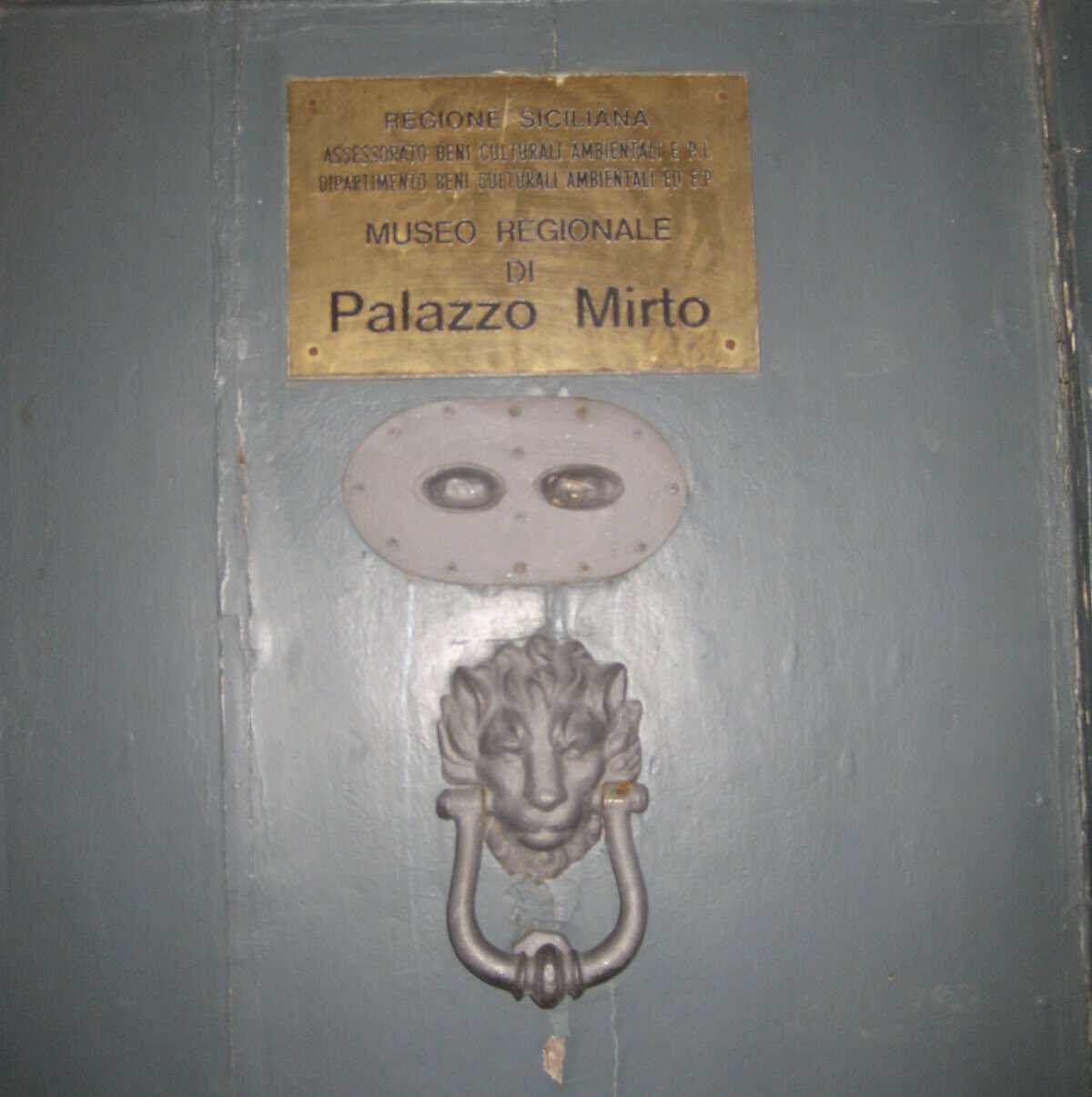
To see how the upper class lived centuries ago, visit the Palazzo Mirto www.casemuseoitalia.it/en.   The Palazzo Mirto is part of a network of “house museums” found throughout Italy. It was originally built for the Filangeri family in the mid 17th century and falls into the ancestry category of homes.

The Palazzo Mirto provides a glimpse at the opulence the upper classes enjoyed during the time of the Kingdom of Sicily.

The palazzo is filled with beautifully appointed rooms featuring elaborate furnishings, ceramics, antique musical instruments, and art. One of the most spectacular is the Chinese Room, likely decorated in 1876 when the house was renovated.

The Chinese Room was the height of fashion when it was designed in the mid 1800s.

There are also classic carriages on display along with other historic treasures that paint a picture of Sicilian life for the upper class in the days before the Risorgimento when Sicily was still a kingdom.

Splendid furnishings and elegant porcelain are among the items on display at Palazzo Mirto.

The museum is located at Via Merlo, 2 and telephone is +39 091 616 4751 for updated information.

Enjoy a performance or take a guided tour– these are the only ways to get inside the magnificent Teatro Massimo.

If there is a performance at the Teatro Massimo, get a ticket and go. Regularly scheduled dance, opera, and classical music are all performed here. If you’re feeling flush, you, too, can rent the royal box —you just have to purchase all 27 seats in it.

The Teatro Massimo is known for its excellent acoustics and grand stage.

If time does not permit you to attend a performance, take a guided tour, which is the only other way to see the inside of this magnificent and historic building.

This beautiful and historic theater is among the largest in Europe.

A model of the theater is displayed in the lobby.

The theater boasts one of the largest stages in Europe and is worth seeing. Built in 1897, it is known for its outstanding acoustics and is still the largest theater in Italy with 1,300 seats. It is appropriately located on the Piazza Verdi. +39 091 6053580 www.teatromassimo.it.

The Politeama Garabaldi Theater hosts regular performances in Palermo’s historic city center.

We wanted to visit the highly regarded National Archeological Museum but it was closed for renovations during our visit. Please go to www.regione.sicilia.it/beniculturali/salinas for current information.

A stroll through Sicily’s capital city yields surprises.

We did not visit the Catacombe dei Cappuccine, the home of about 8,000 dead bodies, amassed over the course of several hundred years, all dressed up and on display. We find the entire enterprise rather ghoulish and having seen the Capuccine Chapel in Rome, which features skeletons of dead monks, felt no obligation to see this seemingly far more ambitious enterprise. Apparently it is a popular place on many tourist itineraries and so we mention it here.

Flags fly outside the Porta Felice Hotel on the small but busy Via Butera.

There are lodgings at all price points and with all levels of service, as you would expect in a large city like Palermo. We stayed at Hotel Porta Felice www.hotelportafelice.it/en at Via Butera, 45. Tele. 091 6175678. This is in the old section of town near the port.

Pleasure craft and fishing boats crowd the marina at the end of Via Butera.

Even though the hotel is on what appears to be a small side street, it is pretty busy. We were upgraded to a nice suite, even though we’d booked through www.venere.com. The location was very convenient and we walked everywhere we wanted to go, after turning in our rental car.

Friendly service and excellent Sicilian specialties await diners at L’Ottava Nota.

We only had two nights in Palermo and wound up having dinner both evenings just down the street from our hotel at L’Ottava Nota Ristorante, via Butera 55 091 6168601 www.ristoranteottavanota.it.   The restaurant was small and lovely with fantastic food and great service. The fish dishes were all spectacular. Everything was fresh, artfully prepared and delicious.

Perfectly prepared pasta makes a delicious first course.

White fish in a light curry broth was a favorite.


Seafood dishes were the star attraction for us, but L’Ottova Nota has superb meat and vegetable dishes, too.

A fish in a light curry broth with vegetables was so good I still think about it, though it is no longer on the menu. We mentioned we were staying at the Porta Felice and were happily surprised to learn we’d get a 20 percent discount on our meal because we were guests there. We cannot confirm that the special pricing is still available but it never hurts to ask, should you dine here. The restaurant is just a few doors down from Porte Felice on Via Butera, 55. The telephone is +39 091 616 8601.

We had an excellent lunch at Trattoria Piccolo Napoli, www.trattoriapiccolonapoli.it. Piccolo Napoli had been recommended by an Italian friend in the wine business but apparently Anthony Bourdain had once dined here and the owner told us that lots of Americans had been showing up ever since. Our welcome was much more cordial when we told him (in Italian) that his friend Sasha had sent us! Try the panisse (chick pea fritters) to start and have any seafood you like—it is all super fresh and simply, but deliciously, prepared.

Snack on some panisse as you peruse the menu.

Simply but perfectly prepared pastas and seafood dishes shine at Piccolo Napoli.

Through a small window into the kitchen, we watched the chef toss a whole octopus into a pot, plate it and serve it to a young girl who devoured every bit. We had pasta with shellfish and then I had a beautiful swordfish dish. For dessert, they brought us the ubiquitous “winter melon.” The melon is sweet and refreshing and so called winter melon because it can be picked in the summer and stored throughout the winter.  We saw it on menus throughout Sicily. The restaurant is on the Piazzetta Mulino a Vento, 4. Telephone is +39 091 320431.

Palermo is a fascinating and vibrant city and certainly worth a visit. We’ll be back.

Our final meal in Palermo was an extremely casual, but excellent pizza lunch at the airport, which we enjoyed out on the observation deck with a view of planes coming and going, and of course, the beautiful sea!



Three Scoops: Where to Find the Best Gelato in Florence

After a long day of touring, or in the middle of a long day of touring, or just because you’re in Italy, in the beautiful city of Florence, you’ll want gelato. Even if it’s wintertime. Avoid the places with the big puffy gelato displays and colors not often seen in nature. Look for signs that say gelateria artigianale, naturale, or biologico.  Go for gelaterias that keep the ice cream in stainless containers—covered stainless containers are even better.

img_2847

Covered stainless steel containers keep gelato fresh and flavorful. Daily flavors will be listed on signs along with prices.

All the available flavors will be written on a sign and you already know what fragola (aka strawberry) looks like. We love that you can choose two or more flavors even for small cones or cups, so experiment with any flavor combination you fancy. Go wild! If someone behind the counter asks, “Panna?” Just say “Si” and your cono will be topped with delicious fresh whipped cream, often at no extra charge. Feel free to indulge.

img_2848

To make your gelato even more satisfying, say yes to panna montata– fresh whipped cream often offered gratis– free!

In Florence, some say Perche No! www.percheno.firenze.it can’t be beat. This is one of the oldest gelaterias in the city, serving it forth since 1939. It is good, really good, so if you’re in the city center you should definitely stop in for a cone.

img_8375

Many of the best gelaterias have lines, but they go quickly. It is worth waiting at places like La Carraia.

Often touted as the best in town, La Carraia www.lacarraiagroup.eu , with two shops in Florence, is branching out and opening a store in Rome, too. We like their gelateria on the Altro Arno just over the bridge of the same name. This is a line worth standing on– and there is always a line. They also have scrumptious looking cakes and other tempting confections but we single-mindedly stick to the gelato.

img_8376

You can choose at least two flavors even on small cones.

img_8378

It’s hard not to be happy with a cone in your hand.

Our little apartment’s location by the Duomo caused us to walk by Edoardo daily. www.edoardobio.it We don’t resist temptation often or easily so had ample opportunity to sample their delicious gelato. Just grab a number by the door and peruse the list of daily flavors while you inhale the intoxicating aroma of their handmade cones. Don’t worry–the line goes quickly.

img_3297

Grab a number and enjoy the heady aroma of fresh baked cones while you wait at Edoardo.

img_2849

This is what delicious looks like. Chocolate with chili (cioccolato con peperoncino) and cinnamon (cannella) are two of my favorite flavors.

Grom www.grom.it was the first of the “all natural” gelato we enjoyed many years ago and it’s still delicious. The company began in Torino and now you’ll find them in cities across Italy, including Florence, and around the world from New York to Jakarta. They even have an outpost in Los Angeles now.

img_3717

Grom is in cities throughout Italy and worldwide.

Gelato preferences are personal, of course, so go explore. Find your favorites and please share your discoveries with us.

Written and photographed by Jeanne Neylon Decker

Protected by US Copyright Laws.

Everything You Need to Know About Florence’s Famous Duomo: Il Grande Museo del’Opera del Duomo

Florence’s Il Grande Museo del’Opera del Duomo has nothing at all to do with opera. Instead, it is all about the work, or opera, involved in building, preserving and maintaining one of the most recognizable Renaissance buildings in the world—Florence’s Duomo, also known as the Cathedral of Santa Maria del Fiore.

img_2754

A spectacular view of Brunelleschi’s dome from Caffe La Terrazza.

If you’ve ever wanted to see how Brunelleschi’s magnificent dome was constructed, learn what the other options were for the Duomo’s facade, or see the remarkable art treasures once housed in the cathedral, this is the place to come.

img_2161

Welcome to the recently reopened and reimagined Museo del’Opera del Duomo.

img_2111

Soaring galleries give visitors a new perspective on the superb sculpture on display at the museum.

Re-opened in October 2015 after years of restoration and reconstruction, the Museo dell’ Opera del Duomo has an exquisite collection of sculpture, paintings and other masterworks displayed on three floors in 6,000 square meters of exhibit space, all designed to showcase the art to its best visual and historical advantage.

img_2104

A visitor gets an up close look at a statue in the museum.

Most of the works were at one time in, or outside the Duomo.

img_2128

These sculptures once graced niches in Giotto’s bell tower.

Some of the treasures to be found include the original North Doors created by Lorenzo Ghiberti for the Baptistry of San Giovanni along with the Doors of Paradise by Lorenzo and Vittorio Ghiberti. Replicas now hang on the Baptistry.

img_2181

Ghiberti’s stunning Doors of Paradise and North Door once graced the Baptistry of San Giovanni but can now be found inside the museum.

img_2178

Detail of door.

In all, the museum boasts 750 works of art covering 720 years of history.

img_2209

Arnolfo di Cambio’s stunning Christ with the Soul of Mary

img_2152

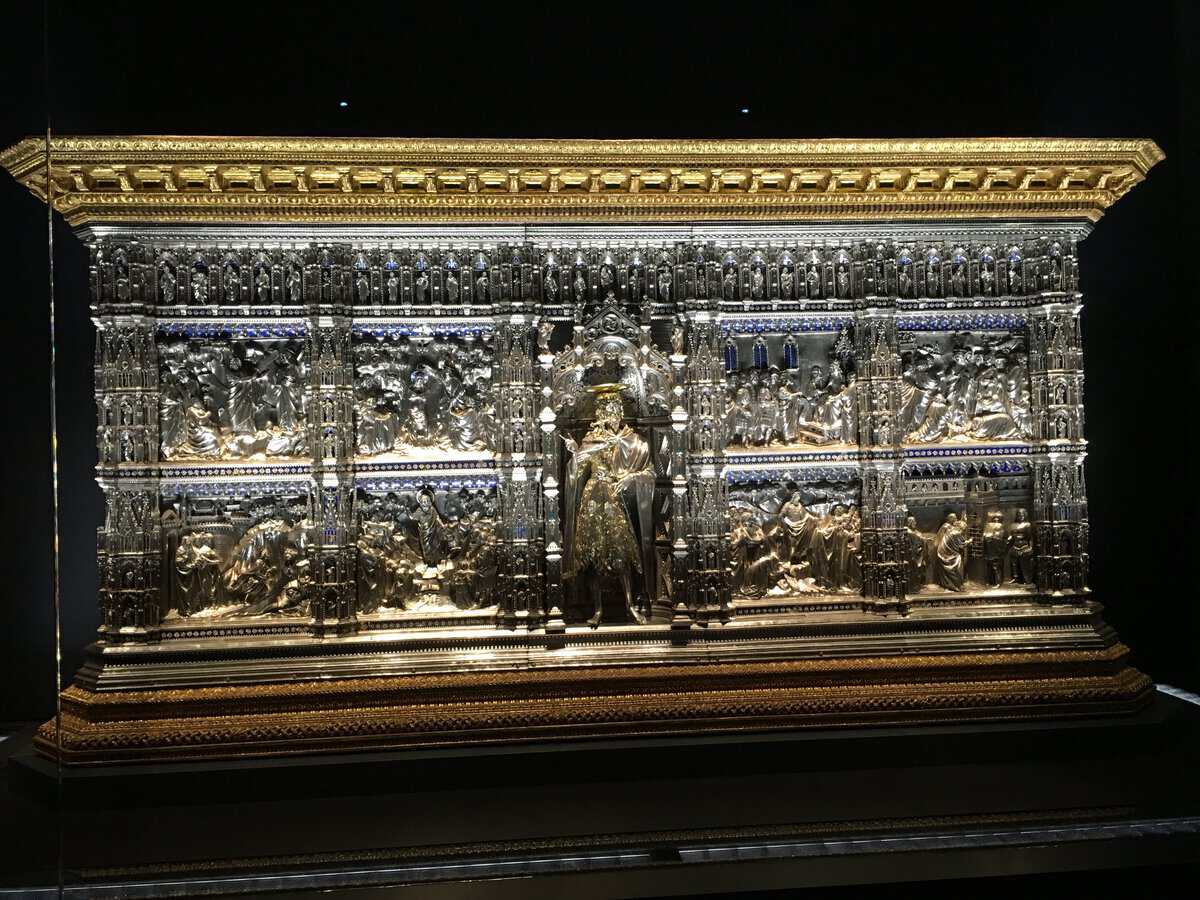
This exquisite silver alter features scenes from the life of John the Baptist and was created by Lorenzo Ghiberti, Betto di Geri, Bernardo Cennini, Antonio di Salvi, Francesco and Leonardo di Giovanni, Antonio del Pollaiolo and Andrea del Verrocchio.

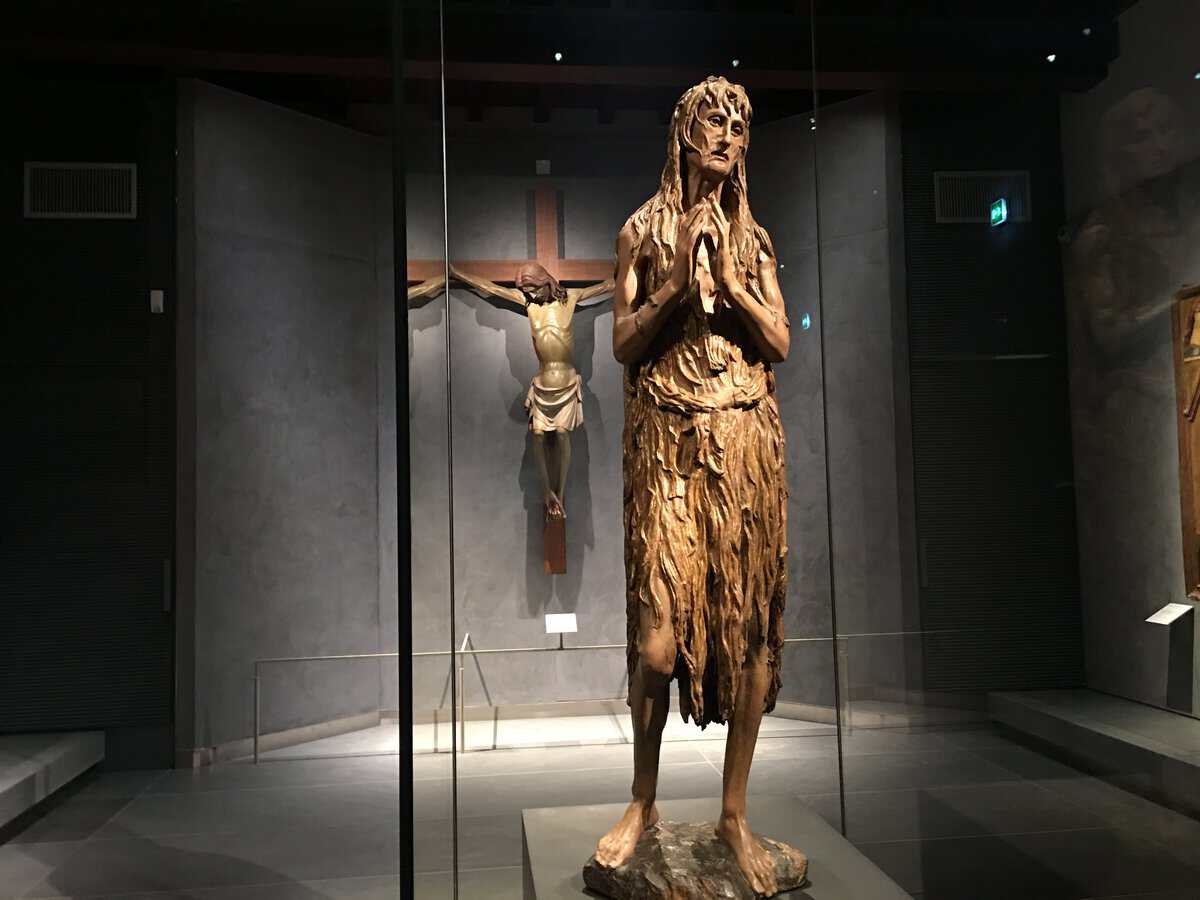
Michelangelo’s poignant pieta, sculpture by Donatello including his magnificent Mary Magdalene as Penitent, and works by Andrea Pisano, Antonio Pollaiolo, Arnolfo di Cambio and other highly regarded Medieval and Renaissance artists are on display.

img_2580

Michelangelo sculpted this pieta for his own tomb. He later destroyed it. It was reconstructed and acquired by Cosimo de Medici In 1671 and placed in the Duomo in 1722. It was the next to last sculpture Michelangelo ever created.

img_2176

Donatello’s Mary Magdalene as Penitent draws many visitors.

img_2579

Sacred items and iconography are part of the museum’s extensive collection.

img_2108In the Cappella Musicale, or music gallery, you will hear enchanting sacred music, and find works by Luca della Robbia and others, as well as rare illuminated music books.

img_2143

Beautiful music fills this gallery where rare illustrated books, sacred objects and art treasures are displayed.

img_2164Brunelleschi’s dome, still considered a marvel of engineering, remains one of Florence’s most iconic monuments.

img_2249

Models of Brunelleschi’s dome show how it was built and why it remains an engineering marvel.

In addition to the art treasures, the museum contains original building materials, equipment and tools, dating back to the Duomo’s 15th century construction.

img_2137

Wooden pulleys, ropes and other original construction equipment used to build the Duomo can be seen at the museum.

img_2140

Original 15th century tools and equipment used to build the Duomo are displayed near a continuously running film that explores the design and construction.

Also featured are drawings and models of the dome and Giotto’s bell tower, which was begun in 1334, after Giotto’s death. An outdoor terrace offers splendid views of the dome.

img_2133

Brunelleschi’s wooden model of the dome fascinates visitors.

img_2124

A detailed model of the bell tower designed by Giotto is on display near beautiful stained glass windows created by notables including Ghiberti, Donatello, Paolo Uccelli and Andrea del Castagno.

Visitors to the museum will learn about the history of this spectacular cathedral, designed by Arnolfo di Cambio and dedicated in 1412. The name Santa Maria del Fiore means St. Mary of the Flowers or Virgin of the Flowers. Once the largest church in all of Europe, today it is third in size, after St. Peter’s Basilica in Rome and London’s St. Paul’s Cathedral.

img_2134A film called Courage to Dare about Florence during the Renaissance and the creation and construction of the Duomo runs continuously in the museum.

img_2103

A number of possibilities considered for the Duomo’s facade are on display, including this one.

Combination tickets can be purchased for the Duomo Museum, the Baptistery, the bell tower and the Crypt of Santa Reparta, named for the 7th century church that once stood on the site of the Duomo. There is no charge to enter the Duomo, but paid tickets are required for visitors who wish to climb the more than 400 steps to the top of the bell tower.

img_2213

The Baptistry of San Giovanni always draws crowds. Tickets are required to enter.

Appropriate clothing is essential for entry. In other words, no shorts, short skirts or skimpy, shoulder baring tops on women or men. Bulky bags and backpacks must be checked. Visit www.ilgrandemuseodelduomo.it for information on ticket prices, hours and tours.

img_2215

Admission to the Duomo is free but take care to dress appropriately or you will be denied entry.

On our visit, we also had free access to a photographic exhibition called Opera di Viva by Michele Pecchioli, which paid tribute to the hundreds of men and women who have worked to preserve the artistic integrity and cultural heritage of the building and the art works within for more than 700 years.

img_2565

Michele Pecchioli’s photographs pay tribute to the men and women who restore and preserve the art and cultural heritage of Florence’s iconic Duomo.

img_2560The photos feature the restorers, artists, employees and security guards who play a role in safeguarding these treasurers and ensuring public access to the works for years to come. Note: This was a temporary exhibition and may now longer be available for viewing.

img_2561

A close up of a security guard charged with safeguarding the priceless treasures at the Duomo and its museum.

When the sun begins to set in Florence, head over to Piazzale Michelangelo for another perspective on the Duomo —and enjoy the gorgeous vista across the Arno over the city.

img_7935

Some of the most spectacular views of Florence can be had from the Piazzale Michelangelo. Don’t miss a visit to the beautiful San Miniato al Monte across the street. It’s the oldest church in Florence, after the Baptistry.

img_7939

Florence’s Duomo viewed from Piazzale Michelangelo.

img_2764

The department store La Rinescente has a terrace restaurant with fine views of the Duomo, as well as drinks and light fare.

If you crave an aperitivo with your sunset and Duomo views, go to La Rinascente, the department store on Piazza Repubblica. Go directly up to La Terrazza on the top floor and you’ll find a little rooftop café/bar with great views of the city and the iconic dome. It gets crowded so get there early or be prepared to wait.

img_2766

img_2771

Sensational sunset view over the Piazza della Repubblica from Caffe La Terrazza.

Cin Cin!

Written and photographed by Jeanne Neylon Decker

Protected by US Copyright Laws.

Florentine Favorites: Where to Eat in Florence

Many visitors to Florence seem to be on a quest, trying to squeeze in as much culture as they can in a few short days. Don’t overlook the culinary component of travel. Take a deep breath and spend some real time in this glorious city if you can, and take time out for some superb dining while you’re here.

A quick 10- minute walk from our apartment near the Duomo over the Ponte Santa Trinita brought us to Il Santo Bevitore’s welcoming doors. It seemed like everyone inside was having a great time. We did, too, and put it at the top of our list of Florentine favorites.

img_2305

Il Santo Bevitore on the Altro Arno is one of our absolute Florentine favorites.

The comfortable dining rooms (there is a large one, pictured above, and a smaller one just beyond it) are lively and full of happy diners enjoying the excellent cuisine. The atmosphere is casual and warm with just the right amount of buzz.

img_2277

You can request an English menu or practice your language skills with the Italian one.

The food is absolutely delicious and the service is attentive and friendly. Some stand outs were the porcini risotto, the pigeon, rombo, and the veal.

img_2296

This simple pear and pecorino salad was a perfect starter.


img_2279

We always say, “si” to a sformatino– a light, savory custard just right as a first course.


img_2859

Il Santo Bevitore’s veal was perfectly prepared.

You can’t go wrong with the pastas, meat or fish—whatever you choose is going to be good. Save room for dessert though.  The chestnut torte and yogurt mousse were both terrific.

img_2293

The succulent pigeon is a game bird lover’s delight.


img_2292

Fresh fish (rombo in this case), lardons, and potatoes were elegantly plated and beautifully prepared.


img_2883

Save room for dessert. This yogurt mousse was spectacular.

We would’ve eaten at Il Santo Bevitore every night, but felt the need to explore some of Florence’s other delightful dining options. Remember, reservations here are a must. Il Santo Bevitore is open for lunch and dinner.

img_3068Try Cucina Torcicoda for lunch or dinner. They have a restaurant, a casual trattoria, and a pizzeria– all in the same building.  When you book in, and you must reserve, let them know which you prefer. They’ll be very different dining experiences but all delicious.

img_3057

Torcicoda’s elegant and tranquil dining room.


img_3070

Torcicoda’s wine list features fine selections from all over Italy.

We had an excellent dinner in the restaurant. The food was superb and the service attentive.

img_3074

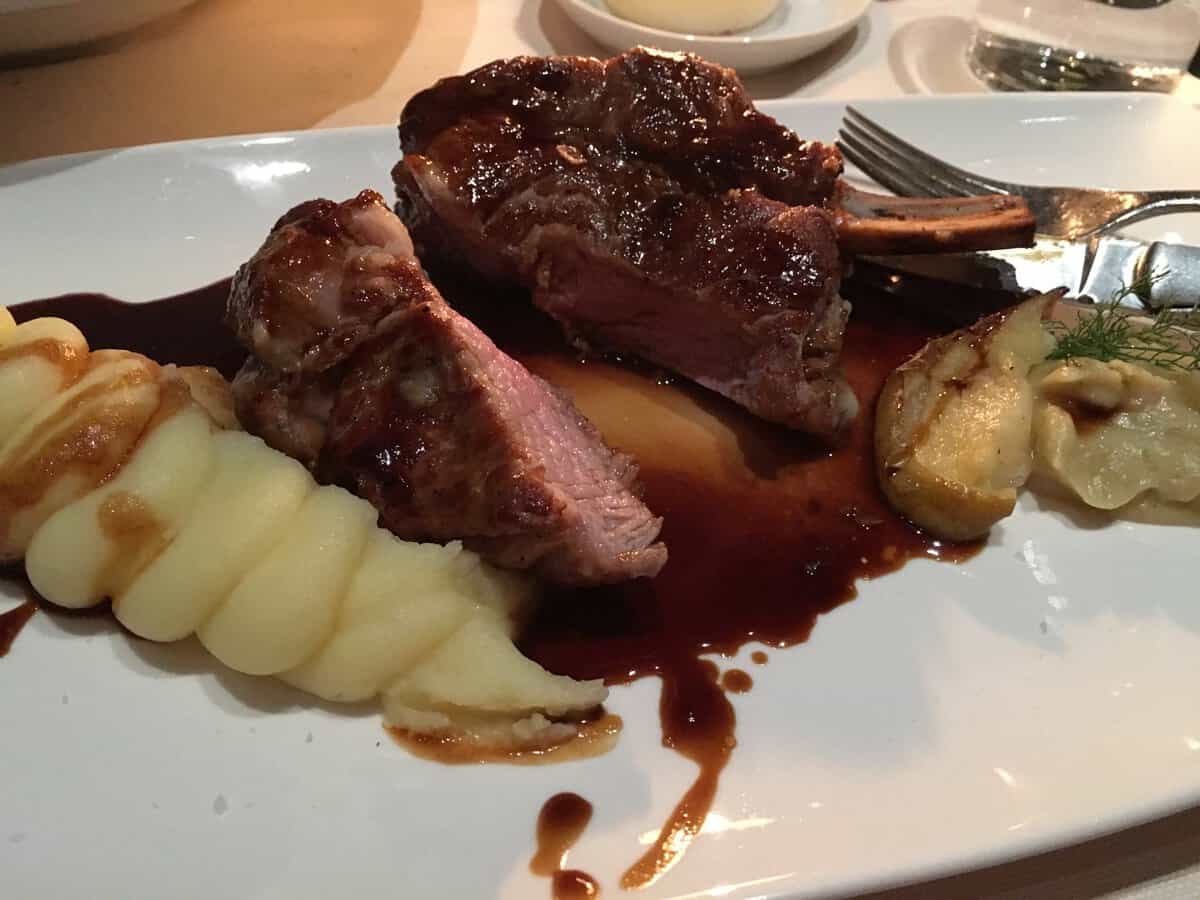
This exquisite pork dish was rich and flavorful. The chestnuts gave it a great contrasting texture and crunch.


img_3448

Memories of this sensational truffle- topped tenderloin make my mouth water.

The casual trattoria has a different menu from the restaurant’s and it looked good, though we didn’t have time to try it.

img_3060

We’ll try the casual trattoria next time.

We ate lunch at Torcicoda’s pizzeria and sampled four different pies. We were especially pleased with the ones topped with fresh buffala mozzarella cheese– gooey and delicious but with a crisp, thin crust–just the way we like our pizza.

img_3059

The pizzeria was packed day and night, so be sure to reserve.


IMG_8298

Fresh buffala mozzarella, available on a number of Torcicoda’s pies, upped the yum factor.


IMG_8297

Pizza bianca with sausage and broccoli rabe was another hit.

The pizzeria also has a good-sized outdoor dining area which is open rain or shine. It’s fun to watch the parade of tourists passing by on their way to the beautiful Santa Croce across the piazza, as you enjoy your meal.

img_3368We walked past Konnubio one afternoon at lunchtime and it looked so inviting we decided to go back for dinner.  It was a good choice. The restaurant is casual and lively but the noise level is not over the top.

img_3357

Diners were just beginning to arrive when we took this photo. Every table was taken in both dining rooms when we left.

The food was beautifully plated and everything we tried was delicious.

img_3366

Seared tuna with fresh asparagus was pleasing to the palate and the eye.


img_3365

Tender lamb with caper berries was outstanding.


img_3373

Konnubio has an extensive wine list and knowledgeable, helpful waitstaff.

You should reserve a table as we saw only one walk- in party seated, while others were turned away. Sit in the main dining room at one of the tables with the big comfy chairs instead of the side dining room, if you can.

img_2020

Cantinetta Antinori is owned and operated by the Antinori wine family and is located in the beautiful Antinori family palazzo right in the center of Florence. We’ve had many delicious lunches here as well as a very good dinner.

img_2003

Enjoy fresh baked bread and Tuscan olive oil from Antinori’s estate while you peruse the extensive wine list.


img_2004

Thinly sliced artichokes with parmesan cheese was a winner.

The food is typical Florentine cuisine and oriented to the seasons.

img_2012

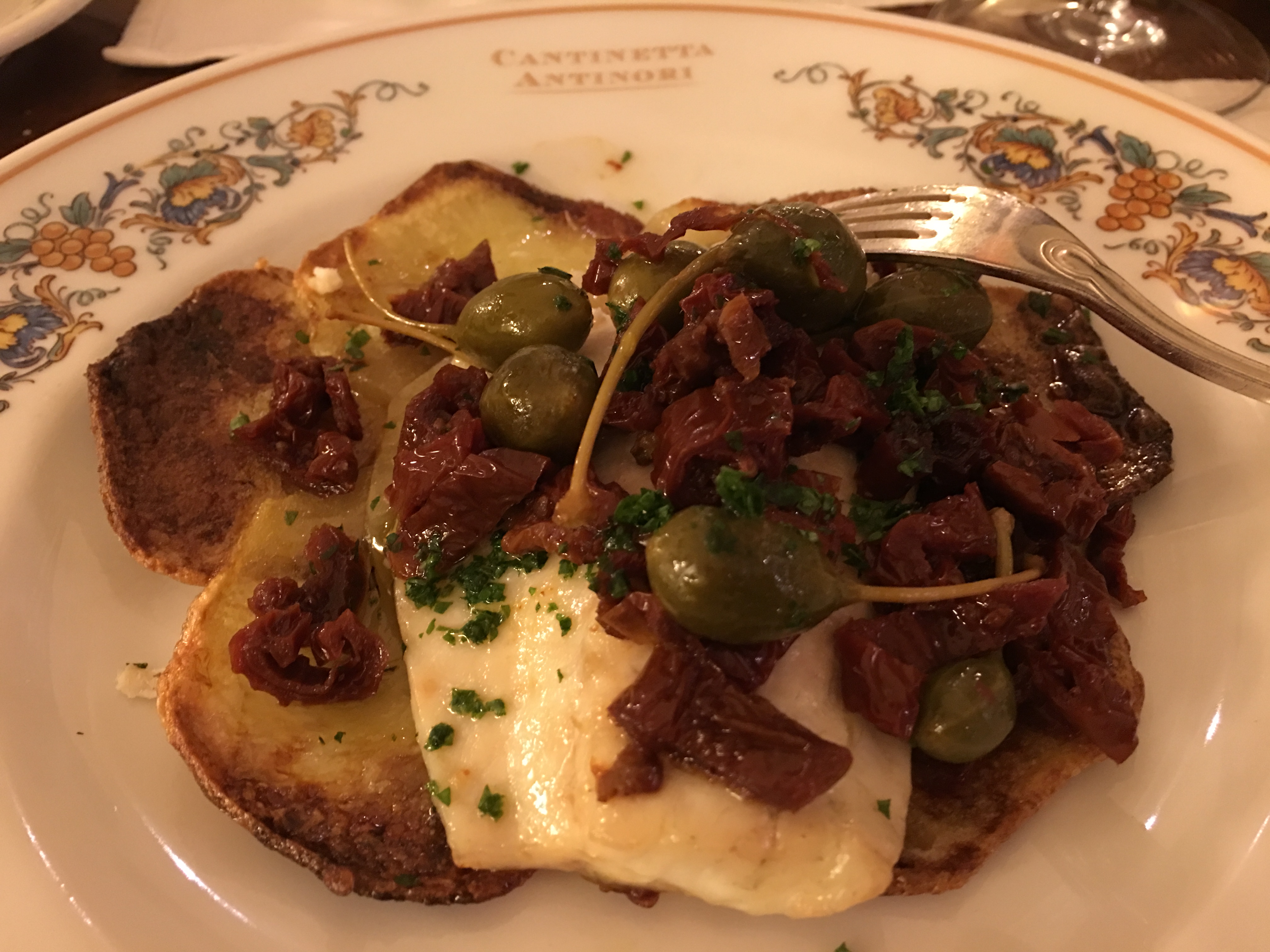
Crispy potatoes topped with filet of white fish, sundried tomatoes, and capers was full of flavor and texture.


img_2013

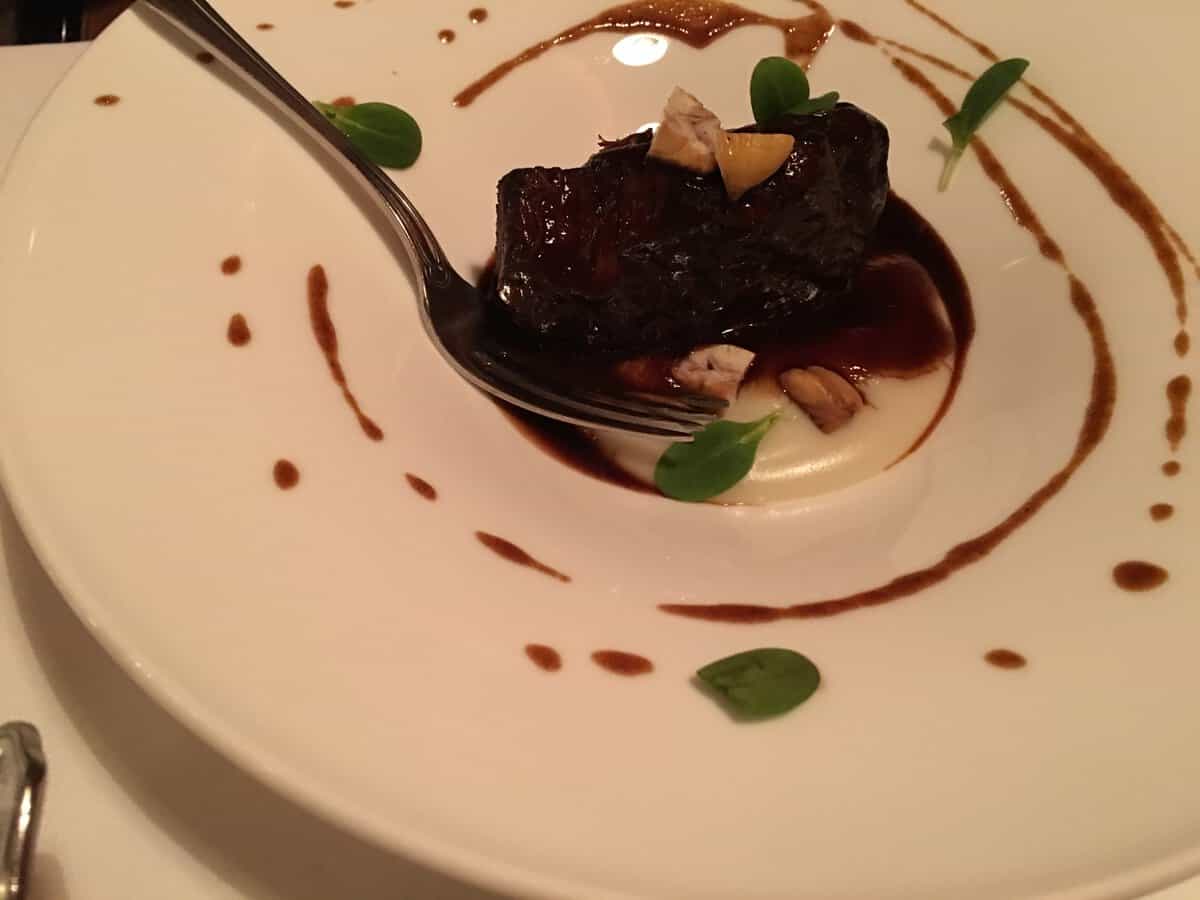
The hearty stewed beef on a bed of polenta is typical Florentine fare.

They have an extensive wine by the glass (or half glass) program so you can sample many of Antinori’s broad line at reasonable prices. It’s fun to try wines you may not see at home.

img_2002Cantinetta Antinori is very popular with local business people especially at lunch, so book a table.

img_3220

We discovered Trattoria 13 Gobbi, a cute little place tucked away on a small side street, on one of our meandering walks through this beautiful city.

img_3207

The dining room is charming and features plenty of vintage posters, advertisements and more to catch your eye.


img_3211

The flavorful vegetable soup was presented in this lovely copper pot.

We plan to give dinner a try there next time.

img_3209

Trattoria Cibreo is another one of our lunchtime favorites. We go to the trattoria at Via di Macci 122R, instead of Signore Picchi’s very popular but pricier restaurant, Ristorante Cibreo. The food is terrific and the menu seasonal. Be aware that they don’t serve pasta and they take no reservations at the trattoria. They open for lunch at 12:45 pm and you need to be there early to get a table. People will be lined up and waiting for the doors to open. The trattoria is closed Sundays and Mondays. There’s a tripe truck parked nearby that the always has a line. Snack while you wait?

img_7869

While not to my taste, this tripe truck does a great business.

Here are a few other Florentine restaurants we’ve enjoyed over the years: Omero is a wonderful classic Florentine restaurant way up above the town with great views. The food is delicious, the service is attentive and this well-known eatery is extremely popular. Be sure to book in for lunch or dinner.

Il Latini is the place for multi- course and enormous meals. There wasn’t a menu when we went for lunch–they just kept bringing food to the table. It was all good and there was plenty, served family style. The key word here is “basta”! Enough! Tell them how many courses you want before they start bringing it—especially if you don’t want the meat courses.

Del Fagioli means the beans, literally. This is a good, casual family place close to the Uffizi. The owner seemed to know at least half the patrons when we had dinner there some time ago. Corso Tintori 47r telephone for a reservation—they were turning people away. 055244285

There are so many wonderful restaurants, trattorias and pizzerias in Florence you’re bound to find some to fit your taste and budget. Check out the Mercato Centrale for some great casual options and share your favorites with us! Buon appetito!

Note: Always check a restaurant’s website for updated hours and reservations. Things change, but the need to make a booking does not!

Written and photographed by Jeanne Neylon Decker

Protected by US Copyright Laws