Browsing Tag

Family Fun

The Museum of Flight: An Aviation Adventure

Air Force One, the Concorde, the Space Shuttle Trainer, the first fighter plane, and many more remarkable aircraft are just a short drive south of Seattle in Tukwila, WA, home of the largest private non-profit aviation museum in the West.

IMG_9034

Seaplanes to space craft are all on display at the Museum of Flight.

The Museum of Flight http://www.museumofflight.org is located at the King County International Airport on Boeing Field and has more than 150 aircraft plus interactive exhibitions, rare photographs, films, newsreels, memorabilia and much more. Exhibits take visitors on a fascinating journey from the earliest days of aviation, to the moon, and back to the present.

IMG_9035

Military aircraft make up a significant part of the Museum’s collection.

After purchasing tickets inside the Museum of Flight, come back outside and climb aboard some of the most iconic aircraft to ever take flight.  The outdoor exhibits close before the museum does.

IMG_9023

The very first Air Force One jet.

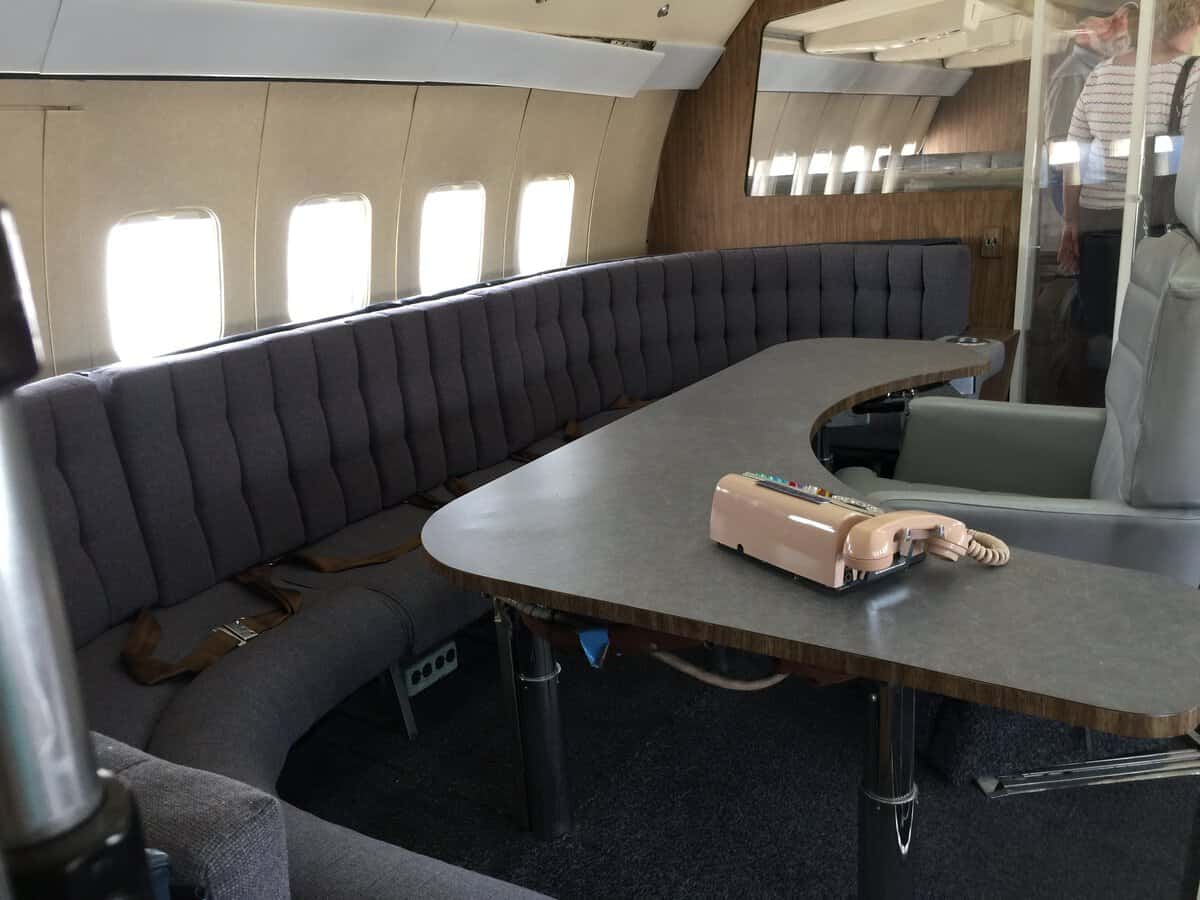
Just outside on the Boeing Field, the first jet used as Air Force One, a specially constructed Boeing 707-120 called SAM (Special Air Missions) 970, is open for touring. Presidents Eisenhower, Kennedy, Johnson and Nixon and numerous dignitaries traveled the world aboard this particular aircraft. Kennedy’s pipe rack, Johnson’s hat rack, the safe where the president’s secret nuclear codes were kept, “Press Section” seating and the president’s private quarters are all on view.
IMG_9022

This area was the president’s private sitting area and popular for naps, we were told.

IMG_9021

Personal memorabilia from several presidents are still onboard.

The world’s fastest commercial jet, one of only 20 Concordes ever built, is on display outside the Museum, too. Courtesy of British Airways, guests can tour this compact aircraft. We were surprised at just how narrow the cabin was.

IMG_9024

One of only 20 Concordes manufactured.

IMG_9011

Speed was more important than spaciousness on the Concorde.

At the other end of the spectrum, guests can visit Boeing’s 787 Dreamliner, one of the most fuel efficient commercial airliners to take to the skies, according to the company.

IMG_9013

A wide array of aircraft are on display and open for touring. Helpful docents are on hand at most.

IMG_9015

There’s plenty of room to relax on this Boeing 787, at least in the forward cabins.

Also on the field is a US Air 737, which now serves as a theater for those interested in viewing Time Flies: Century of Flight.

Back inside the Museum, guests can trace the history of aviation from its earliest days right up to the present. The Red Barn, where the Boeing Company began, is part of the Museum today and gives guests an excellent historical perspective on the development of commercial aviation.

IMG_9069

Inside the Red Barn.

IMG_9081

Visitors can learn about the men and women at the forefront of aviation in America.

IMG_9079

Rare photographs, news stories, film clips and more tell the story of flight.

IMG_9071

Memorabilia from Boeing’s beginning.

The Museum has displays of every imaginable aircraft from the Taylor Aerocar III—AKA the “car plane”, which actually did take flight as a film clearly shows; to all manor of military aircraft, including the first fighter plane, the Italian built Caproni Ca.20; to planes used to deliver mail in Alaska and newspapers in the Midwest and much more.

IMG_9052

The Aerocar was one of my favorite aircraft. The wings folded into a handy trailer for driving after landing.

IMG_9042

There is a hole in the floor of the plane for the pilot to drop newspapers through.

There are even miniature planes. The Holtgrewe WWII Model Collection has more than 400 1/72 scale models of military aircraft used by most of the countries who became combatants in the second world war. Another marvelous miniature is the 1/10 scale model of the Montgolfier Brothers’ Balloon on display in the Museum’s lobby.

IMG_9025

A model of a Montgolfier Brothers Balloon greets visitors in the lobby.

IMG_9048

Military craft from many nations attract visitors’ attention.

IMG_9054

A Vietnam War era helicopter.

The U.S. Space Program is well represented, too. Visitors can track America’s race to space from its earliest days to the present. There are photographs, magazine and newspaper articles, films and news reels, exhibits on the animals used in space program, space suits worn by U.S. Astronauts and Soviet Cosmonauts, and a vast assortment of memorabilia from moon rocks to the cowboy boots worn by a famous test pilot. Apollo 17 Mission Models and the only Mars Viking lander still here on Earth are also at the Museum.

IMG_9028

Here’s how the cosmonauts suited up for space.

IMG_9029

Primates and pups launched before our first astronauts.

Guests can also walk through the Space Shuttle Trainer Crew Compartment where U.S. astronauts trained for every Shuttle mission. A separate 30- minute tour of the Trainer is available for an additional fee for visitors 10 years and older. Tours of the Boeing Field are also offered for an additional fee.

IMG_9065

Apollo 17 models are just some of the fascinating exhibits on space exploration.

There are numerous flight simulators, exhibits on every aspect of aviation including rocketry and “spacebots”, a research library, aviation advertising, and so much more for visitors to see.

IMG_9074

Aviation advertising from the days when flying was fun.

IMG_9073

An American Airlines advertisement.

There is so much to see and experience at the Museum that many visitors will not be able to enjoy all that is on offer in one day. Happily, discounted return tickets are available so take your time and come back again.

Art and More at Seattle’s Free Frye Museum

IMG_8920

Welcome to the Charles and Emma Frye Art Museum.

Charles and Emma Frye began collecting art in 1893 focusing primarily on French and German artists from the 19th and early 20th centuries. The couple built an impressive Founding Collection of 230 paintings, now on permanent display at their namesake museum in Seattle’s Capitol Hill area. The museum is open to the public at no charge, as the Fryes intended when they established the Charles and Emma Frye Free Public Art Museum in 1952.

IMG_8925

The museum has expanded and been updated since it opened at its current location in 1952.

The Fryes had a particular interest in German painters of the mid-19th Century Munich School including Wilhelm Leibl, Franz von Lenbach and Max Slevogt whose works, along with other prominent painters of the period, are part of the Founding Collection.

IMG_8897

Henry Raschen’s 1913 portraits of Emma and Charles Frye hang in the Frye Salon.

The Frye’s Permanent Collection includes not only those works collected by Charles and Emma, but also later acquisitions made by the Frye Foundation. These later aquisitions expanded the collection to include American artists as well as European painters other than the French and German artists the couple built their original collection upon.

IMG_8896

Acquisitions by the Frye Foundation expanded the collection to include American artists.

Gilbert Stuart and John Singleton Copley’s Colonial Period paintings hang alongside the American Realism works of Winslow Homer and Thomas Eakins. Mary Cassatt, James McNeil Whistler, and John Singer Sargent are among the ex-pat painters whose Impressionist works are displayed.

IMG_8888

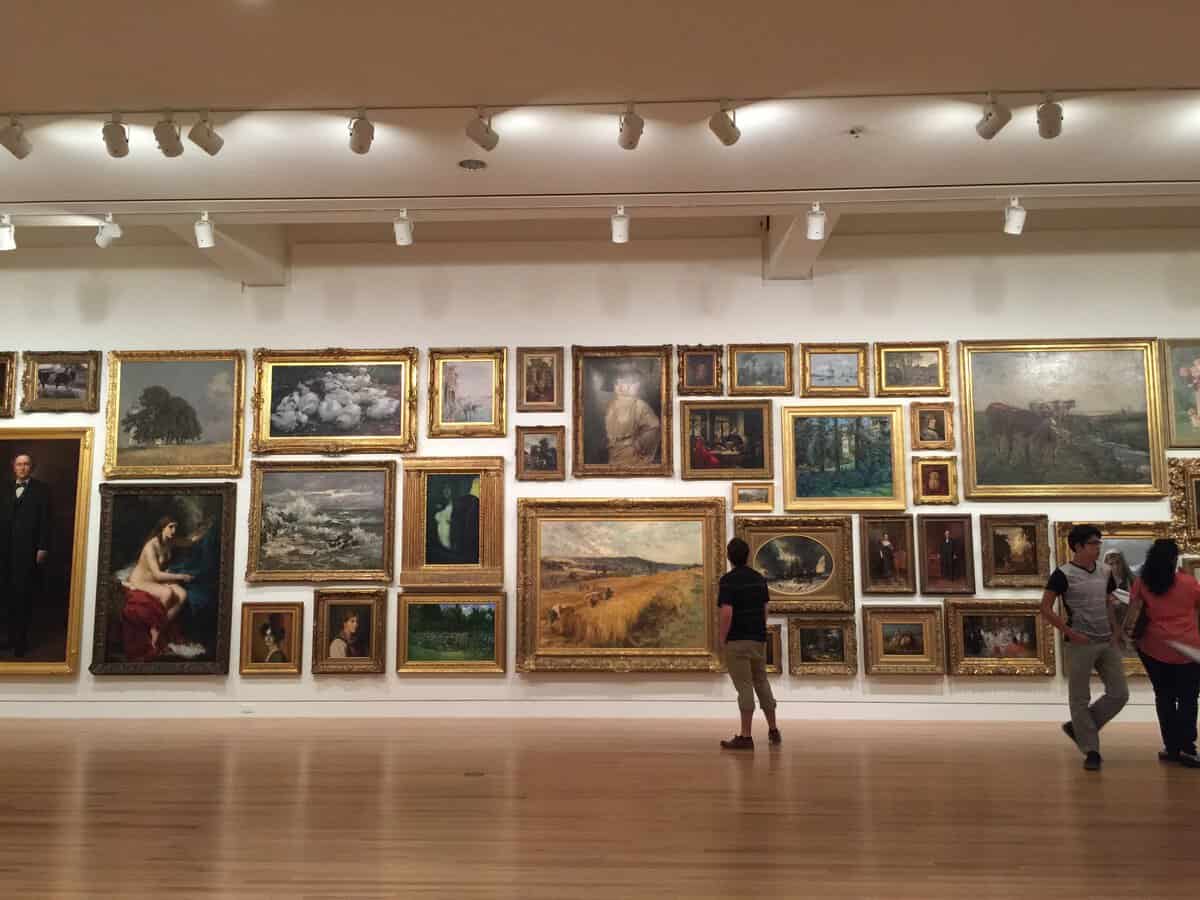
Paintings are hung as they once were in the Frye home gallery.

IMG_8891

Portrait of Chief Seattle by Henry Raschen, 1916.

The vast collection of paintings covers every wall in the Frye Salon with the works hung as they once were in the Frye’s home gallery. The Frye Salon is reminiscent of Boston’s Isabella Gardener Stewart Museum. In other words, there is not much space between the works and they are not hung in any apparent order— historical, religious and allegorical paintings hang beside portraits, landscapes and seascapes. There are several copies of a hardcover guide available to visitors in the gallery that identifies and describes each work and artist.

IMG_8902

Visitors reference gallery guide to identify paintings and artists.

IMG_8903

The helpful guide is available only in the gallery. There are several other books about the museum and its collection for sale in the shop, but not the gallery guide.

In addition to the Permanent Collection, there are several changing contemporary exhibitions.

IMG_8877

The Frye features contemporary art as well as European and American paintings from the 19th and 20th centuries.

We enjoyed the two Andy Warhol exhibitions on view during our visit. During the 1970s, Warhol recorded a reported 40,000 Polaroids documenting his personal and professional endeavors. Warhol’s Little Red Book #178 is a collection of 19 Polaroid pictures of his friends and other celebrities taken in 1970 while he made his film L’Amour.

IMG_8883

Little Red Book #178 has 19 of the reported 40,000 Polaroid photos Warhol took in the 1970s.

From 1964-1966, Warhol recorded hundreds of visitors to his studio, called The Factory, using a Bolex camera. Warhol’s 12 Screen Tests features artists and celebrities who were instructed to sit still for the length of a 16 mm film—about three minutes. Subjects featured in 12 Screen Tests include Dennis Hopper, Edie Sedgwick, Susan Sontag, Lou Reed, Bob Dylan, Marcel Duchamp and Brooke Hayward. Not everyone was capable of the task assigned. Bob Dylan’s Screen Test shows him smoking a cigarette and fidgeting throughout.

IMG_8906

Hundreds of Warhol’s Factory visitors were filmed for his series of “Screen Tests.”

IMG_8905

Subjects were meant to be still for the three minute films, but Bob Dylan fidgeted and smoked throughout his “Screen Test.”

Also on view was Structure and Ornament, a multi media exhibition of Leo Saul Berk’s work based on the iconic Chicago-area Ford House, his childhood home.

IMG_8868

Berk’s dream about sleeping on the floor at Ford House was the inspiration for “Heat Signature.”

The artist refers to his work as “a riff on the house,” which has historical significance and was designed by architect Bruce Goff. The exhibition includes the history of the home, photographs and films, along with Berk’s sculptures and other works, based upon the unique structure and the artist’s memories of living there.

IMG_8861

Leo Saul Berk’s childhood residence, the iconic Ford House, was the basis for the “Structure and Ornament” exhibition.

IMG_8876

“Cone Twelve,” Berk’s aluminum composite and stainless steel sculpture.

IMG_8865

“Mortar and Marbles” is a to-scale representation of a section of the Ford House’s curved coal walls.

We also saw American Portraits: 1880-1915– a selection of portraiture by artists whose works are included in the Founding Collection.

IMG_8907

Museum visitors relax and enjoy the “American Portraits: 1880-1915” exhibition.

The Museum has a nice little café with an outdoor garden. Sandwiches, soups, sweets and other simple but satisfying offerings are available at very reasonable prices.

IMG_8927

The Frye’s cafe has a lovely garden area and is a nice option for lunch or coffee.

On our first visit to the Frye Museum, we were told that one of the galleries was closed for yoga, but would soon reopen. While yoga is no longer offered at the museum, the Museum hosts art classes for everyone from pre-schoolers to life-long learners, Mindful Mediation on the first and third Wednesday of the month, art history lectures, jazz concerts, activities for those with memory loss and their families, film presentations and more.  Find the complete schedule here.

Charles and Emma Frye would no doubt be pleased to see their wish– that the public enjoy free access to art, that ‘perfection of good-nature,’ continues to be a reality today, thanks to their free art museum.

Written and photographed by Jeanne Neylon Decker

Protected by US Copyright Laws.

Outdoor Art at Seattle’s Olympic Sculpture Park

After a beautiful morning at Chihuly Garden and Glass and lunch at Seattle Central Armory’s Skillet Counter, we headed down to the Olympic Sculpture Park, part of the Seattle Art Museum.  On the way we passed a Duckload of friendly tourists.

Seattle's Duck Tour.

Seattle’s Duck Tour is one way to see the sights in the Emerald City.

We enjoyed the view of snowcapped Mt. Ranier in the distance and the cruise ships docked nearby.

Seattle is a popular jumping off point for Alaskan cruises.

Seattle is a popular jumping off point for Alaskan cruises.

And finally reached our destination– the Olympic Sculpture Park.

IMG_8829

All are welcome at Seattle’s Olympic Sculpture Park. Admission is free.

IMG_8821

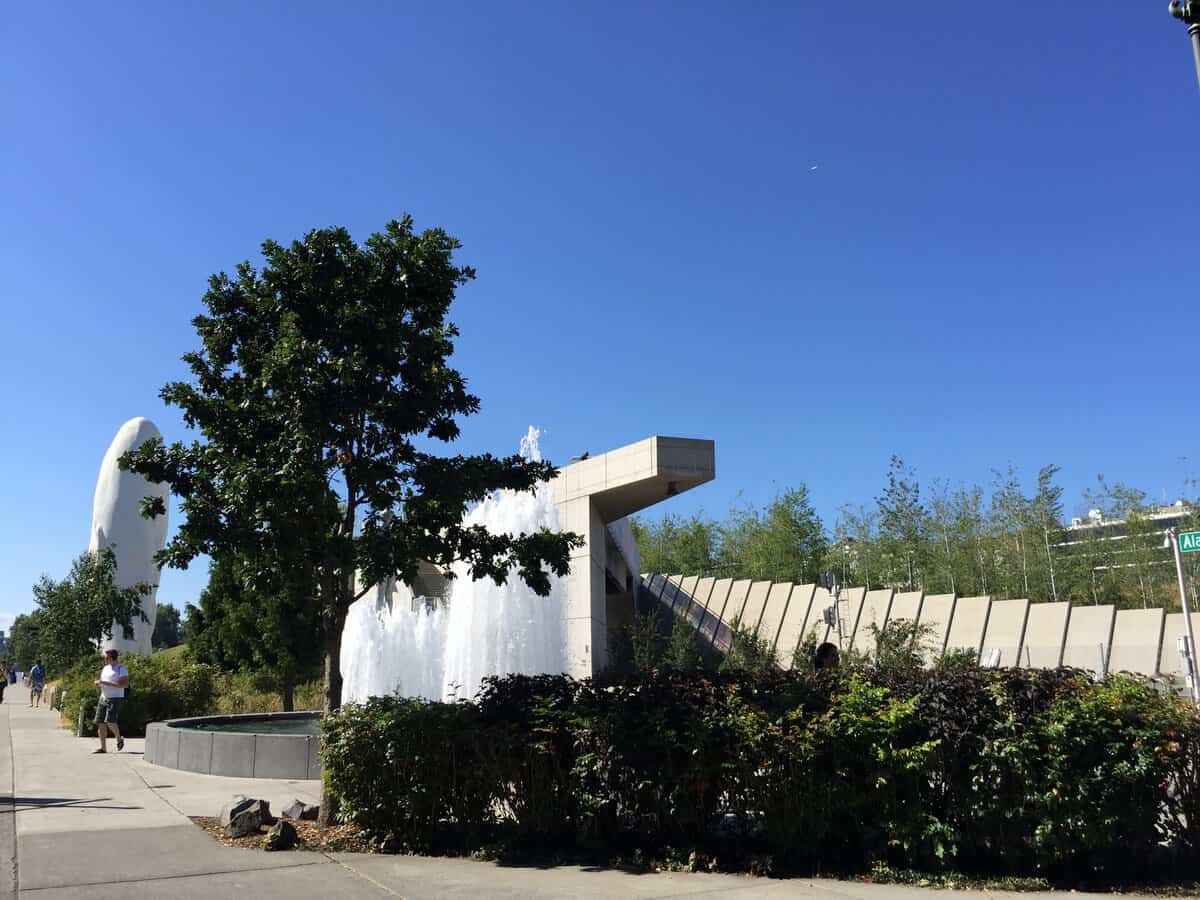
Jaume Plensa’s 46- foot Echo, towers over visitors with her eyes closed to the sea beyond.

This beautiful urban art park was once an industrial site. Now, less than 10 years later, the nine acres on Elliott Bay is Seattle’s largest downtown green space and home to spectacular sculpture by some of the most influential and respected artists in the world including Richard Serra, Ellsworth Kelly, Alexander Calder, and Louise Nevelson.

IMG_8788

A view of Richard Serra’s Wake.

IMG_8799

It’s an entirely different visual experience to wander among the panels of Wake.

IMG_8804

Alexander Calder’s The Eagle provides a brilliant pop of color and a shady place to rest.

IMG_8810

Typewriter Eraser by Claes Oldenburg and Coosje van Bruggen must add a touch of whimsy to the daily commute.

With views toward the Olympic Mountains and Puget Sound, thought provoking and attention getting art, and its beautiful waterfront location, the award-winning Olympic Sculpture Park ought to be on your list of “must sees” in Seattle.

IMG_8802

Cargo ships glide by Bunyon’s Chess by Mark di Suvero.

Puget Sound makes a beautiful backdrop for these sculptures.

IMG_8814

di Suvero’s Schubert Sonata has a prime location.

IMG_8811

The nine-acre sculpture park has lovely wooded paths to explore.

The Olympic Sculpture Park is pedestrian and bicycle friendly, handicapped accessible, and admission is free.

IMG_8816

Roy McMakin’s Love and Loss was commissioned for the Olympic Sculpture Park.

IMG_8796

Beverly Pepper’s Perre’s Ventaglio III is right at home among the vegetation.

What a fantastic place to spend a beautiful day in Seattle! Next, dinner decisions, The Frye and we take flight to Boeing Field–a visit to the Museum of Flight.

Note: Banner image is Louise Bourgeois’s Father and Son. Each figure is in turn concealed and revealed by the water in which they stand, separated, arms outstretched.

Seattle: Whirlwind Weekend in the Emerald City

Art, food and fun highlighted our three-day weekend in the Emerald City. We started off our Saturday morning with a monorail ride from the central shopping area to the Center City area, home of the iconic Space Needle. The monorail, which was built for the 1962 World’s Fair, costs just $4.00 and is only $2.00 for seniors, children under 12, disabled, and active duty military.

IMG_8615

It’s a quick but fun ride on Seattle’s monorail.

The trip takes only minutes between Westlake Center Station at 5th and Pine Streets and The Seattle Center Station. Purchase your ticket at the kiosk or from the cashier as you enter the train. The monorail runs every 10 minutes or so from 8:30 a.m. on weekends (7:30 a.m. during the week) and closes between 9 p.m. and midnight, depending on the date and what’s happening downtown. Be sure to check the schedule.

IMG_8777

Sonic Bloom greets visitors walking to EMP or Chihuly Garden and Glass. The “sunflowers” move and emit sound.

The monorail drops you off steps from at the Space Needle, Chihuly Garden and Glass and MoPOP Museum (Museum of Pop Culture).

Seattle's iconic Space Needle was built for the 1962 World's Fair.

Seattle’s iconic Space Needle was built for the 1962 World’s Fair.

We’d been to the Space Needle on previous visits so headed right to the Chihuly Garden and Glass.

IMG_8698

There’s a reason Chihuly Garden and Glass is on everyone’s Top 10 list. Don’t miss it!

We should have bought our tickets online—the lines were long for the cashiers inside and at the outdoor kiosks, and cost more than the online price. Plan ahead! Once you have your ticket and have reached the admission area, ask to have your arm stamped so that you can return in the evening to view these magnificent glass works illuminated. The sun sets quite late in Seattle during the summer months so keep that in mind when planning your return visit.

IMG_8643

Prepare to be amazed.  Detail of Chihuly’s Sealife Tower.

The Chihuly Garden and Glass is included in Seattle’s City Pass so if you plan to visit more than one of the included attractions—yes, the Space Needle is one of them—you may want to opt for the City Pass. You’ll save money and time since you won’t wait on line.

IMG_8636

Tabac Basket in the Northwest Room.

Once inside, be prepared to be awed. There is a reason Chihuly Garden and Glass is on everyone’s “must see” list. We heard more than a few “wows” as soon as we stepped into the first gallery. Dale Chihuly’s glass art works are artistic, whimsical and beyond stunning.

IMG_8675

Mille Fiori– A thousand flowers- delight the senses.

These photos cannot capture the splendid forms, movement, intricacy and vibrant colors in Chihuly’s work but they do give an hint of what you’ll experience at Chihuly Garden and Glass.  It is a magical place.

IMG_8656

Persian Ceiling floods the room with color from above.

It seems as you move from gallery to gallery the works get progressively more beautiful and intricate.   The lighting, staging and even the music in the galleries combine to create a magnificent experience.

IMG_8754

Ikebana and Float Boats capture the viewer’s imagination.

A stroll through the gorgeous gardens is another delight. The art is so beautifully integrated in the various plantings that you’ll want to linger.

IMG_8722

A view in the garden.

IMG_8723

IMG_8727

Northwest timber is integrated in the glass garden.

IMG_8731

We had the added benefit of a spectacular day—clear, blue skies and temperatures in the mid-70s.  The soothing background music being performed by a gentleman playing the Eyhu on the street just outside the garden added to our enjoyment.

IMG_8765

Soothing music further enhanced our enjoyment of the gardens.

The works on display are included in a fairly comprehensive catalog titled, Chihuly Garden and Glass, available in the gift shop in the lobby.  It is one of many available volumes featuring Mr. Chihuly’s art. In addition to the usual museum gift shop items like books and calendars featuring the artist’s work, original pieces of Chihuly’s glass art are also on offer.

IMG_8779

This is no ordinary gift shop.

IMG_8781

A spectacular souvenir.

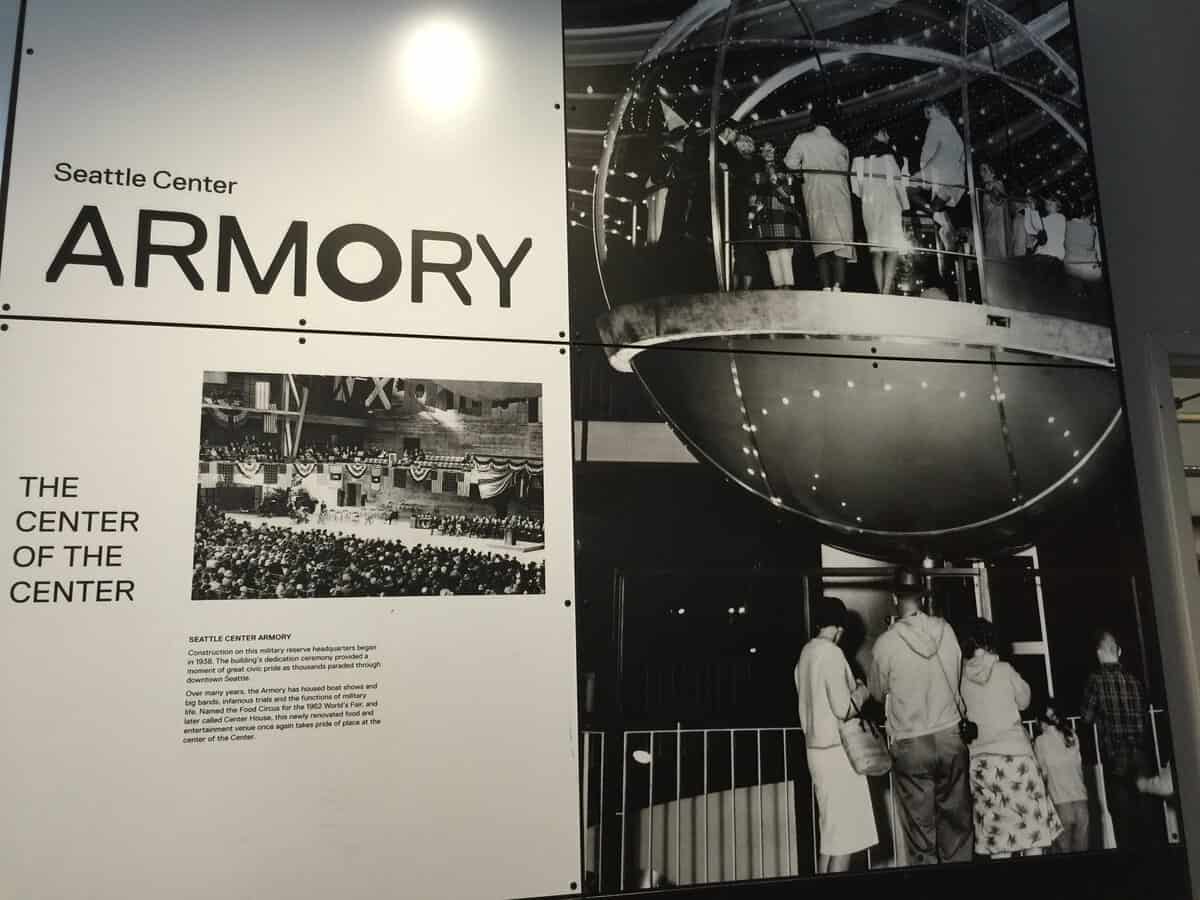
If you’ve worked up an appetite after your stroll through the garden, head over to the Seattle Center Armory a few steps away. Originally built in 1939 to house the 146th artillery and its half-ton tanks, it was repurposed for the 1962 World’s Fair and became the city’s first vertical shopping mall, called the Food Circus.

IMG_8775

Once home to an artillery unit and half-ton tanks, the Armory now features food and family fun.

Today, in addition to a public space that hosts more than 3,000 free family entertainment and cultural events each year, you’ll find a food court that’s got something for everyone. Though Starbuck’s and Subway do have a presence here, they share the main floor with more interesting offerings from the likes of Eltana’s Wood- Fired Bagel Café, Seattle Fudge, MOD Pizza, Kabab, Cool Guys Fry Bar, Ceres Roasting Company, Bigfood BBQ, Quincy’s (burgers and seafood) , Blue Water Taco, Plum Pantry (vegan and organic selections), The Confectional and Skillet Counter.

IMG_8770

The Seattle Center Armory is a busy place at lunchtime.

Mediterranean street food, beef baracoa, fish tacos, Belgian style fries, individual cheesecakes, pizza, vegan fare, and a terrific fried chicken sandwich are among the tantalizing possibilities we deliberated for lunch.

IMG_8769

So many choices…

We chose Skillet Counter where the Fried Chicken Sammy with a fennel seed crust, kale, and jalapeno aioli on a potato roll called out to my traveling companions. I had a delicious curried carrot soup and a salad. We met Chef Mike “Mookie” who kindly shared his recipe for the soup and the aioli. Looking forward to whipping up some of that at home!

IMG_8773

Skillet Counter’s Chef Mike aka “Mookie”

If you’ve got little ones in tow—you’re in luck—Seattle’s Children’s Museum is just downstairs. Here you’ll find interactive exhibitions, hands on, and age appropriate activities for children ages 10 months to 10 years.

IMG_8776

Seattle Children’s Museum is lots of fun for the little ones.

IMG_8784

After our satisfying lunch at Skillet Counter, we headed down towards Elliott Bay to the Olympic Sculpture Park, part of the Seattle Art Museum.  So much to see and do in the Emerald City!

Written and photographed by Jeanne Neylon Decker

Protected by US Copyright Laws.

Note: Things change.  Please be sure to verify opening times and pricing for any and all places and activities mentioned.

Scala dei Turchi- Sicily’s Spectacular Turkish Steps

You’ll see them long before you reach them– bright white, gleaming brilliantly in the Sicilian sun as they rise from the blue Mediterranean–the Scala dei Turchi or Turkish Steps. If you’re in the area of Agrigento, home to Valle dei Templi– some of Sicily’s best known and most visited Greek ruins, head a few miles west towards Realmonte and Porte Empedocle and explore one of Southern Sicily’s most breathtaking natural wonders.

DSCF6898

When we first visited, people were able to climb the Scala dei Turchi near Porte Empedocle, Sicily.

Follow the brown informational road signs and you’ll wind up at a car park just across from the beach. It can be tricky to find so pay close attention. Walk past the beach club and restaurant and hike along the beach. The trail is fairly rocky, marshy and wet, of course. There are nicer swimming beaches in the area, but you won’t find anything like the Turkish Steps anywhere else.

DSCF6868

The gleaming white steps of the Scala dei Turchi beckon from the beach.

As you walk through grassy wetlands, and along the beach, shimmering in the distance you’ll see the spectacular step formation known as Scala dei Turchi rising from the sea.

DSCF6869

Consider aquasocks or similar footwear as the beach is quite rocky.

The Turkish Steps, as they are popularly referred to,  are truly a sight to behold. Formed by sedimentary rock, this gleaming white staircase leads up to spectacular cliffs that rise up from the blue Mediterranean. The site got its name from the stair-like shape of the rock formation and also because it was a favorite landing place for pirates and the invading Moors.

DSCF6891

Visitors used to climb the Turkish Steps but this is no longer permitted.

The rock is fairly soft and many visitors have carved their names, initials and paeans to love in the steps. We do not encourage this.

DSCF6902

Unfortunately, visitors have carved messages in the soft rock in many languages. Please don’t.

We visited the Scala dei Turchi on a beautiful warm October afternoon and while we were certainly not alone, the site was not terribly crowded. That is not the case during the summertime, we’ve been told. We were also warned that parking is at a premium in the summer months.

DSCF6900

Enjoy the views from the overlook above the Scala dei Turchi when you visit. It is not possible to climb them any more.

DSCF6909

The crashing waves of Mediterranean Sea far below– breathtaking.

You may also choose to park above the steps and walk down to the top, where there is an overlook, instead of hiking along the beach. This is a shorter and less challenging way to go but you’ll miss the great views that the beach walk affords.

DSCF6895

Visitors used to be able to relax and enjoy the unparalleled view from the top of the Turkish Steps.

The naturally created troughs at the top of Scala dei Turchi drew many looking for a place to relax, sunbathe and enjoy the magnificent Mediterranean Sea– this is no longer permitted. Enjoy views of  the steps and the Sicilian sunset from the beach or overlook above before heading back to your hotel!

UPDATE–  The Turkish Steps are now protected and it is not permitted to climb them. I have revised the post to reflect that, though when I wrote this piece and took the photos, it was allowed.  Enjoy this natural wonder from the beach below or the scenic overlook above, but please stay off the steps.

Written and photographed by Jeanne Neylon Decker

Protected by US Copyright laws.

Taormina’s Beach Clubs

Sicily boasts some of Europe’s most beautiful and pristine beaches, but since we live in San Diego, we usually don’t spend much, if any, time at the beach on our vacations– Hawaii being an exception. On our first visit to Sicily, we spent one lovely afternoon on a nearly deserted beach near Porto Paulo. The season was over, but the water was warm and beach was inviting.

IMG_3914

The beach at La Caravella, Taormina.

This year, we opted for a more leisurely paced vacation and chose to spend some time enjoying the sand and surf. Our hotel in Taormina, the Villa Ducale, has arrangements with two local beach clubs—Lido La Pigna and La Caravella Lido. This is how it works—you reserve a place at the beach club through your hotel, the beach club sends a shuttle to collect you and takes you back to your hotel at a pre-agreed upon time at the end of the day. This is fairly typical. The fee for this was 8 Euro for Lido La Pigna and 12 Euro for La Caravella Lido. The beach club fees were about half the price of a round-trip taxi ride from our hotel into the town of Taormina and included reserved lounge chairs and umbrellas. Having a reserved lounge chair is a very good idea, especially during the busy summer season. Even in October when we visited, the weather was fantastic so the beach was crowded.

IMG_3761

Reserve a chaise and umbrella, especially when the beach is crowded. Lido La Pigna, Taormina.

If you’d like to go to the beach after walking around town, as we did, you can also take the funicular down. Just outside the Porte Messina, the funicular is operated by ASM (same as bus line), and for 3 Euros, you can take a scenic one-way ride to the parking lot right across from La Pigna. It’s about a 10-minute walk from the same parking lot to La Caravella.

IMG_3901

One way fare to the beach is just 3 Euros.

IMG_3907

Scenic funicular ride takes only a few minutes from Taormina down to the beach.

IMG_3767

Lido La Pigna, Taormina.

La Pigna was more crowded than La Caravella, probably due to the proximity of the funicular, but the water was pristine. There were paddle boats for rent, excursions to Isola Bella and that large rock you could swim out to and jump off—an activity many engaged in.

IMG_3773

Lifeguard on duty at La Pigna, Taormina, Sicily.  Signs warn of sudden drop off in water depth–in Italian, German and English.

Taiwanese women (self-identified) walked up and down the beach at La Pigna offering massage from 20 to 40 Euros for outdoor treatments ranging from foot reflexology to full body massage.  We followed our masseuse down the beach where she had a little area set aside and had our treatments on chaise lounges on beach—not at all private, but very relaxing.

DSCF5799

Lido La Pigna, Taormina, Sicily.

There were also some souvenir sellers on the beach at La Pigna. There were neither masseuses nor vendors on the beach at La Caravella on the days that we were there.

IMG_3915

La Caravella Lido, Taormina, Sicily.

Our hotel provided us with a handy tote bag and nice big towels. This is important—be sure to get towels from your hotel because otherwise you have to pay a hefty rental fee for towels at the beach–if they have any. We learned this lesson the hard way and wound up paying 12 Euros each, just to use towels at a beach club in the Southeast of Sicily. There were no free towels available at any of the beach clubs we visited in Sicily. Remember to bring your own towels!


IMG_3922

Swimming out to the rocks is an appealing activity at La Caravella, Taormina.

All of the beach clubs we visited had changing facilities and showers –but not the kind I imagined. In my mind, they would be like those at the fitness clubs and beach clubs I have visited or belonged to in the U.S.—comfortable locker rooms, all amenities (including hair dryers) provided, private, etc. The changing rooms at the beach clubs we visited in Sicily ranged from a portable unit, not unlike a large port-a-potty, to a permanent cement structure attached to the beach club’s restaurant. These changing rooms are utilitarian at best, but better than going home in a wet, sandy swimsuit.

IMG_3917

Restaurant at La Caravella, Taormina. Changing facilities were in connecting building.

The showers were outdoors at both Taormina beach clubs we visited. In fact, the showers were outdoors at all the Sicilian beach clubs we went to. No soap or shampoo was provided and the showers are completely public— in other words, there is no privacy at all. The good news is that you are able to rinse off and even wash your hair after swimming—if you bring your own toiletries.

Both beach clubs had attentive chair-side beverage service as well as full- service restaurants on the property. We enjoyed a nice pizza and salad for lunch at Lido La Pigna but only had drinks at La Caravella since we had already had lunch in town.
IMG_3770

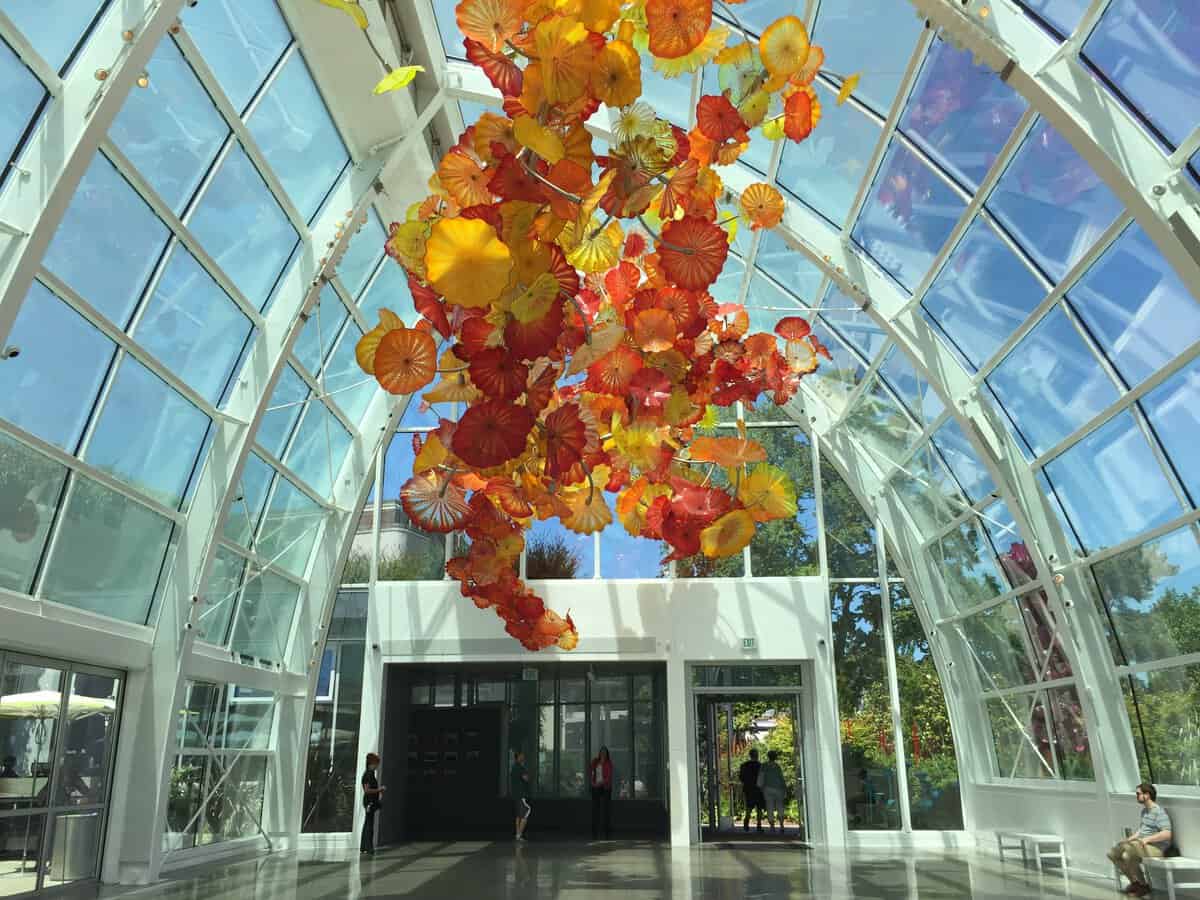
La Terrazze at Lido La Pigna, Taormina.

DSCF5804

La Terrazze’s menu, Lido La Pigna, Taormina.

DSCF5806

We shared a pizza and a salad for lunch at Lido La Pigna, Taormina, Sicily.

There are other beach clubs in Taormina besides the two we visited and some hotels have their own. Wherever you choose to enjoy the beaches in Sicily, relax , unwind and have a wonderful time.


Happy New Year!

Rome, Italy

Rome, Italy

Happy New Year!  In the year ahead we’re looking forward to returning to some of our favorite European cities including Berlin, Florence and Rome. We’re also planning  a first time visit to Milan, named #1 travel destination for 2015 by the New York Times.

Florence, Italy

Florence, Italy

We’ll also be back to Portland, OR, San Francisco, Los Angeles and other U.S. destinations still to be determined.

IMG_5257

Need we say more?

San Francisco, CA

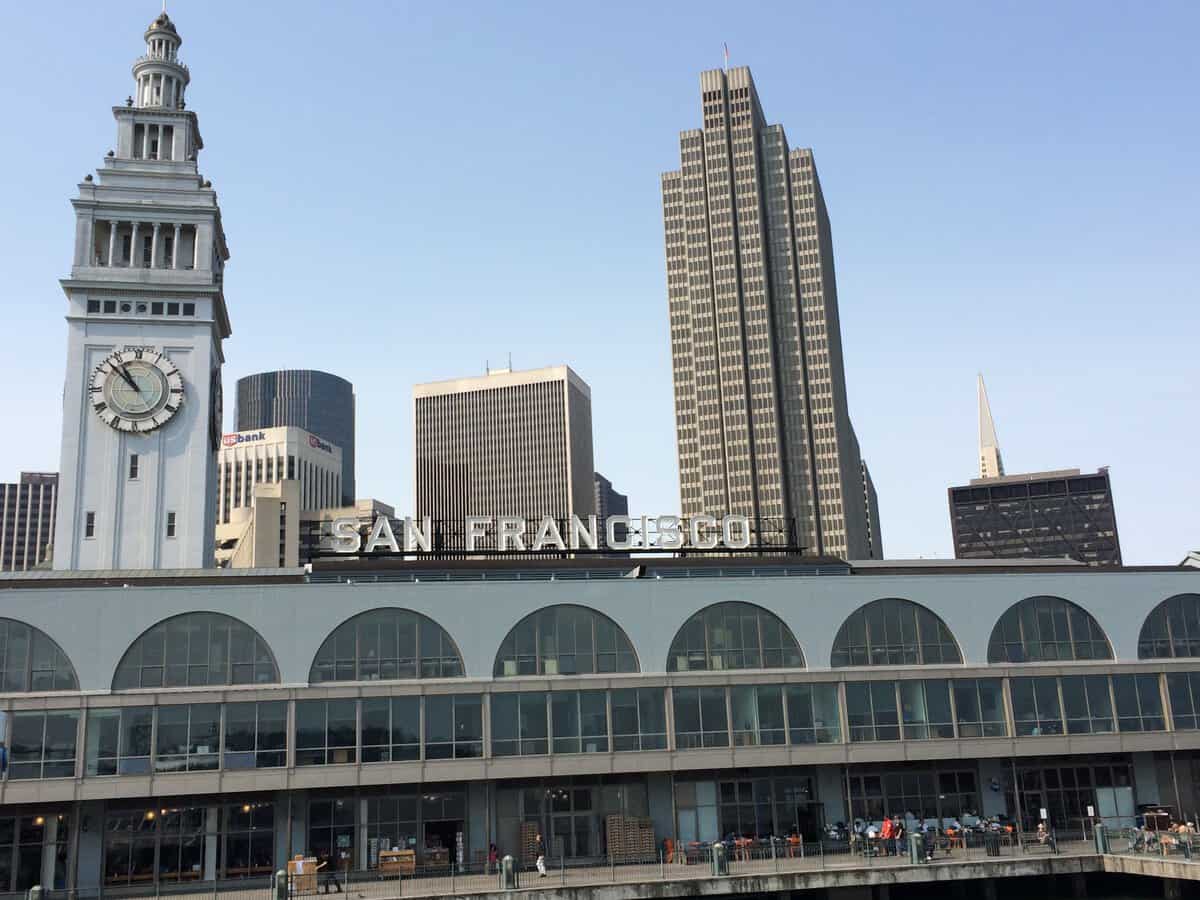
San Francisco’s Ferry Building

Since we live in sunny San Diego, we’ll be exploring some places closer to home and will share those, too.

Polar  Bear at San Diego Zoo

Polar Bear at San Diego Zoo

San Diego Bay

San Diego Bay

We hope you’ll join us on our travels and look forward to your comments.

Around Town in Taormina, Sicily

Even in October, the streets of Taormina are jam packed with tourists, many trailing their tour guides. Large, slow, name tags and fanny packs in evidence, many of these groups of visitors disembark from their cruise ships early in the morning, and after a long day of souvenir shopping for the likes of Homer Simpson as The Godfather tee shirts, thankfully get back on their boats before sunset.

The streets are Taormina are packed with people--even in October.

The streets are Taormina are packed with people–even in October.


Both the sheer numbers of people and the shops offering absolute junk surprised me. I don’t think I’ve ever seen so many souvenir shops selling so many of the same silly things.

Godfather tee shirts are in abundance at Taormina's shops.

Godfather tee shirts are in abundance at Taormina’s shops.

IMG_3837

How do all these shops stay in business?

How do all these shops stay in business?


Despite the crowds and questionable merchandise, the main street, Corso Umberto I, is certainly worth a stroll and there are lovely churches and galleries to stop in and admire as you make you way through the throngs. There are gates at each end of Corso Umberto I– Porta Catania and Porta Messina, through which you enter this pedestrian thoroughfare.  Piazza del Duomo and Piazza IX Aprile are the two main squares in the town with the requisite cafes and shops, though there are also bars and restaurants, along with countless shops, all along the Corso and on the smaller streets. Cafe Wunderbar on the Piazza IX Aprile looks inviting and always seems to have a crowd.

Piazza IX Aprille, Taormina.

Piazza IX Aprile, Taormina, Sicily.


IMG_3834

Piazza del Duomo, Taormina, Sicily.


IMG_3851

La Fontana, Taormina.

Ceramics are a really popular souvenir all over Sicily and Taormina is no exception. Ceramic heads of kings and queens are especially sought after in the Taormina area. There are a number of stories around this with slight variations, but all have a grisly ending.

IMG_3816

Ubiquitous ceramic king and queen heads.

Taormina, Sicily.

Taormina, Sicily.

More, more, more.

Modern ceramics are popular, too.

Modern ceramics are popular, too.

Leave the main streets and piazzas and you’ll be rewarded by Taormina’s quiet corners.


IMG_3874


IMG_3825

Find lovely galleries and shops on Taormina’s small narrow streets off the Corso Umberto I.

IMG_3873

This deconsecrated church is now a gallery on a small street off the Corso Umberto.

Taking a break in Taormina.

Taking a break in Taormina.

There are restaurants to suit all tastes and budgets in Taormina, but if you like arancini—a Sicilian specialty that is basically a big rice ball stuffed with delicious cheese, meats and/or vegetables, (tastes so much better than it sounds) you must go to Antica Rosticceria da Cristina. It’s at 2 Via Strabone—a little alley off the Piazza del Duomo near the Excelsior Hotel  This is a carry out place so you’ll queue up, choose your favorite (I like the original), grab a drink and then either eat at one of their very few tables or walk up to the little park outside the Porta Catania (go left after you walk back up the alley towards the main street) and enjoy your al fresco lunch.

IMG_3856

Try da Christina for arancini in Taormina.

The humble but tasty arrancino.

The humble but tasty arancino.

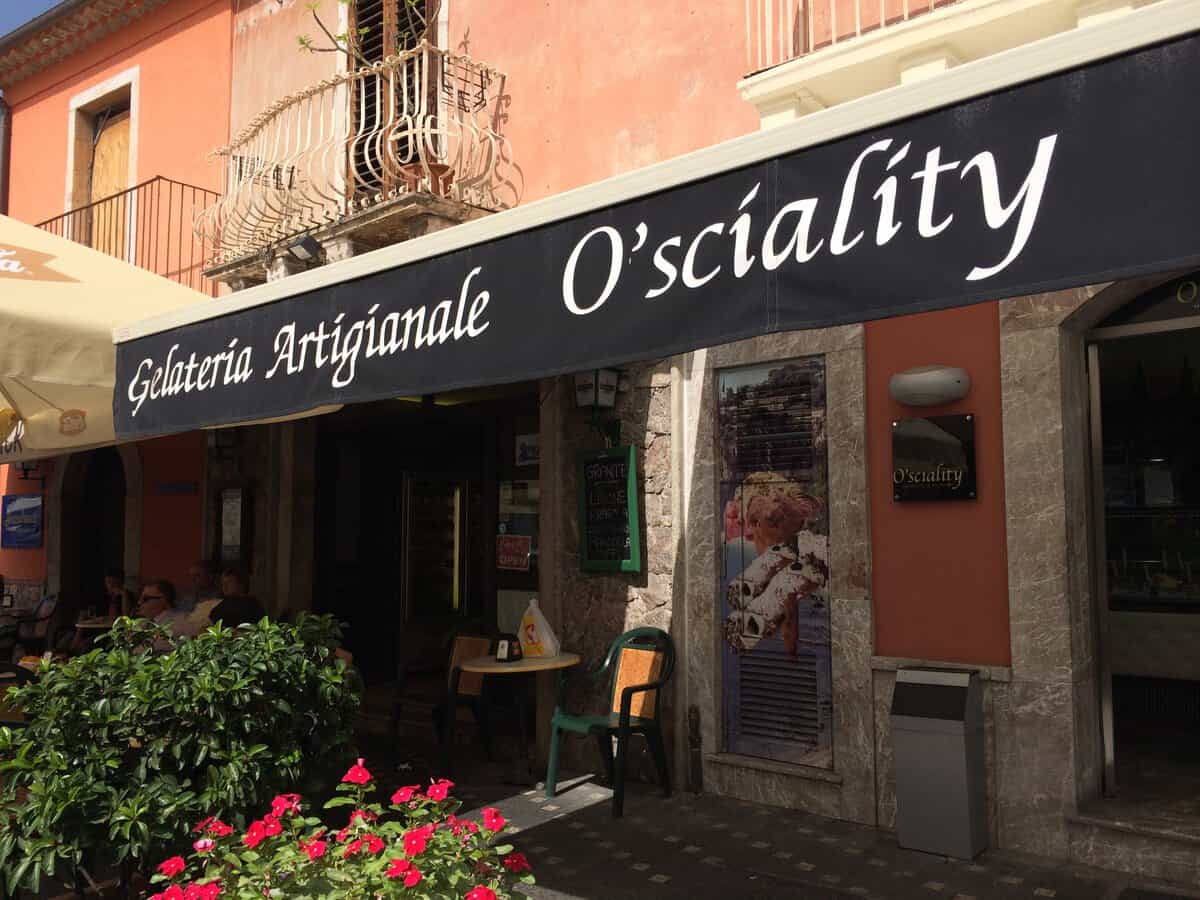
Afterward, treat yourself to some gelato for dessert. My favorite is Gelateria Artigianale O’sciality on Piazza Antonio Abate, just outside the Porta Catania. Yum!

IMG_3878

IMG_3877

Delicious artisanal gelato in Taormina.


If you’re feeling quite fit, or just need to walk off the arancini and gelato, take a walk up the 700+ steps through the town to the Madonna Della Rocca and the Castello Saraceno. Look for the signposts.

The cross of the church of Madonna della Rocca can be seen from the town of Taormina below.

The cross of the church of Madonna della Rocca can be seen from the town of Taormina below.

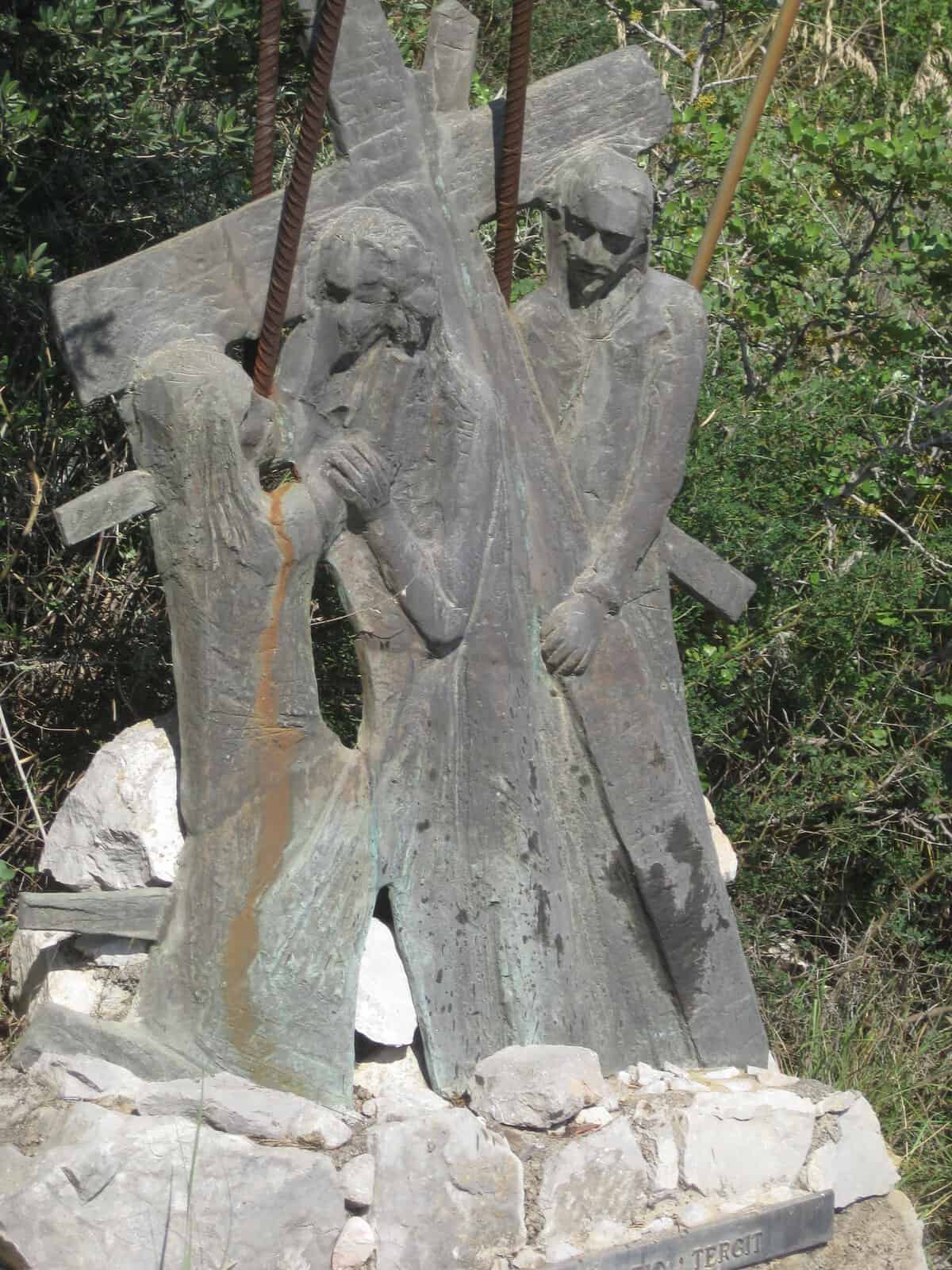
The steps can be steep and are narrow in some areas, but the views are superb and there are sculptures marking the Stations of the Cross along the way.

Stations of the Cross mark the steps between Madonna della Rocca and the town of Taormina below.

Stations of the Cross mark the steps between Madonna della Rocca and the town of Taormina below.

Some of the 700+ steps that lead to Madonna della Rocca from Taormina, Sicily.

700+ steps lead to Madonna della Rocca from Taormina, Sicily.

There are also benches in some spots so that you can stop and rest. Once you reach the top, visit the small but beautiful church of the Madonna della Rocca, so named because it is built into the rock on which it stands.

The church of Madonna della Rocca is built into the rock on which it stands.

The church of Madonna della Rocca is built into the rock on which it stands.

The Castle of the Saracens is not open for touring but you can admire the ruins from a distance.

You can choose to walk down those many, many steps back to town, take a bus which passes just a block below in front of Villa Ducale on Via Leonardo da Vinci or, depending upon the time of day, have the Al Saraceno restaurant or Villa Ducale call a taxi for you.  Villa Ducale offers its guests a complimentary shuttle service into town and back.  Full disclosure—we walked down the steps into town and took a taxi back up to our hotel. A word about public transportation– there are local ASM city buses, which we took when the schedule was convenient, though no buses ran for several hours in the afternoon, and those run by Interbus  (these are blue). Both run regularly and on a schedule.  The Interbus goes farther afield than the local bus. Tickets can be purchased on the bus in both cases.  Look for the main bus stop just outside the Porta Messina. There is also a taxi stand there.

The views are amazing on the steps between the town of Taormina and Madonna della Rocca.

The views are amazing on the steps between the town of Taormina and Madonna della Rocca. We walked down to town, not up.

If you’ve managed to walk up all those steps, reward yourself with lunch or dinner at Al Saraceno, Via Madonna della Rocca. The food is delicious, well priced and if the weather is nice, the expansive outdoor terrace is open. Again, the views are spectacular.  We enjoyed several terrific dinners here.


IMG_3938

If you choose to dine at Al Saraceno, make reservations– it’s popular with locals.


Next, we’ll explore a few of Taormina’s beach clubs.

Touring Taormina: The “Must Sees”

The town of Taormina offers several “must sees” including the Greek Theater and the Public Gardens.  The Greek Theater, or Teatro Greco Taormina, was built by the Greeks, possibly in the 3rd Century BC, and rebuilt and expanded by the Romans. The arena is spectacular and is still a venue for all kinds of entertainment ranging from rock to classical music, ballet, and theatrical performances. It is also the home of the Taormina Film Festival. The views over the Bay of Naxos and up to Mt. Etna are amazing. There will be lots and lots of other people sharing the views at what is possibly the most famous, and certainly among the most visited site in Sicily. Even when it’s crowded, it is worth waiting to enter and enjoy the setting.

Taormina's Teatro Greco is one of the most visited sites in Sicily.

Taormina’s Teatro Greco is one of the most visited sites in Sicily.

Stunning landscaping at Taormina's Greek Theater.

Stunning landscaping at Taormina’s Greek Theater.

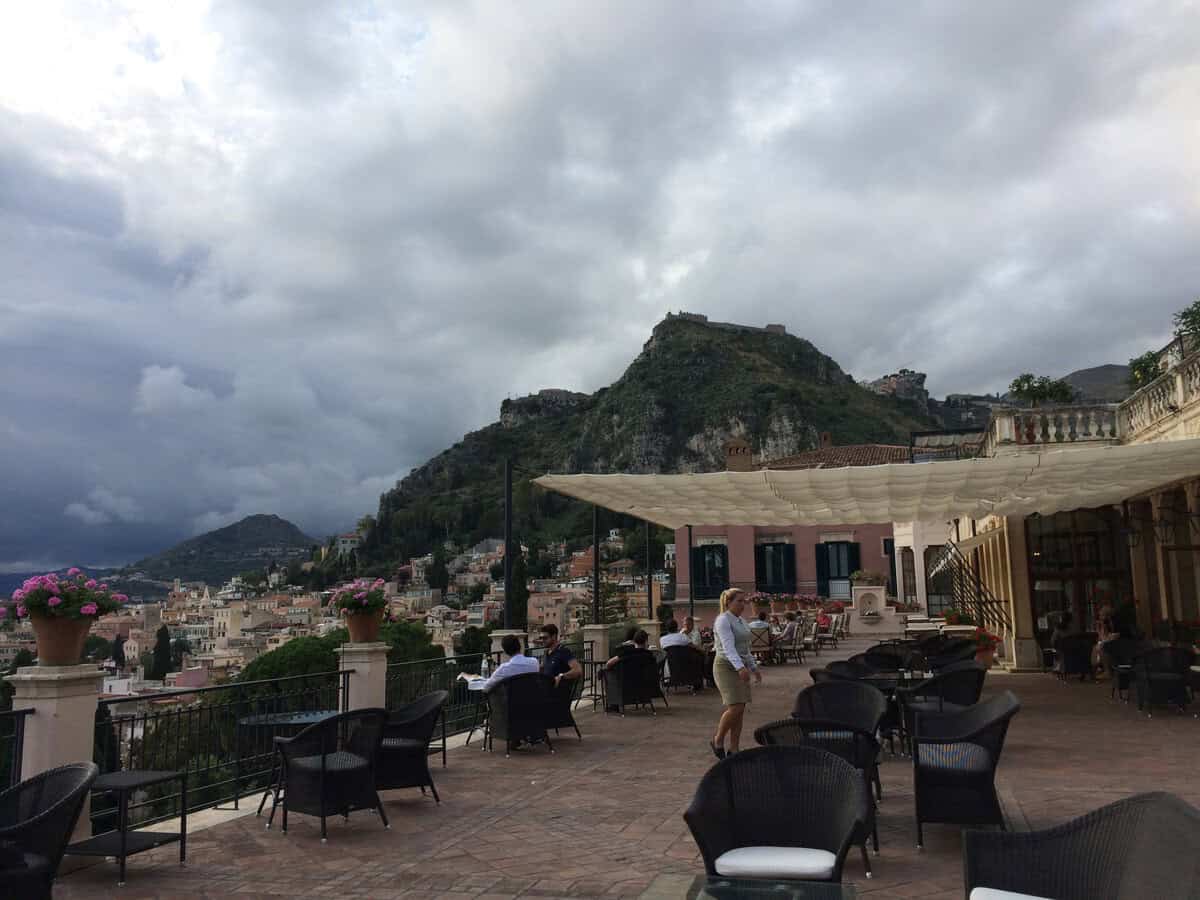
After braving the crowds, go next door to the luxurious Grand Hotel Timeo at Via Teatro Greco, 59.  If you are staying here, you are indeed fortunate. While we did not, several friends have and loved it. Even if you are not a guest, you can relax with a drink or coffee on their expansive verandah—and once again, enjoy the incredible views.  There are many, many lodging options in Taormina at all price points. The Grand Timeo is among the more expensive choices, but it is a very grand property and if you want a location in the heart of Taormina and price is not a consideration, why not?

The lovely terrace at the Grand Hotel Timeo is a fantastic place to relax with a drink or coffee.

The lovely terrace at the Grand Hotel Timeo is a fantastic place to relax with a drink or coffee.

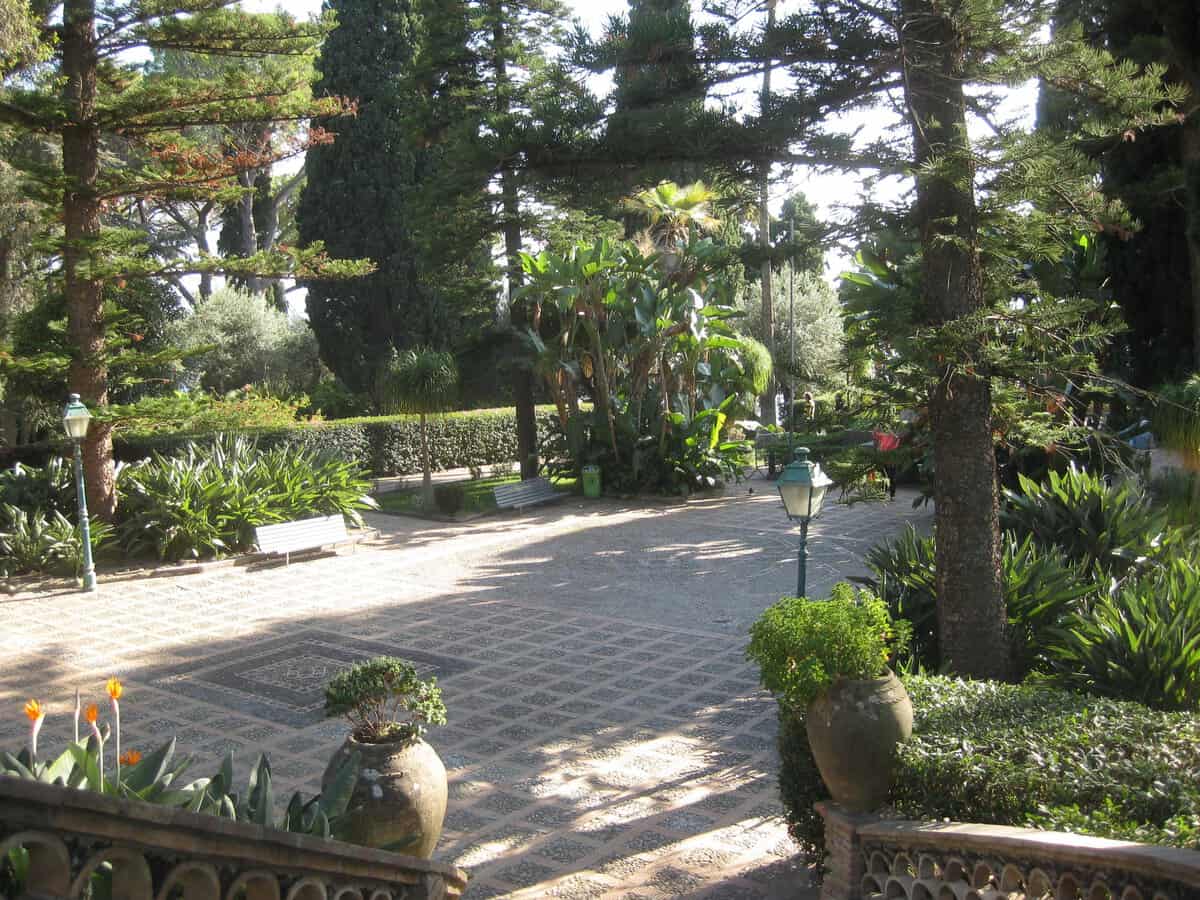
The public gardens, Giardini della Villa Comunale, located on Via Bagnoli Croce are gorgeous and blissfully peaceful. Even though they are quite near to the Greek Theater, you’ll rarely encounter crowds while strolling the lovely manicured grounds, which also afford spectacular views.

Taormina's beautiful public gardens are a peaceful oasis in a busy tourist town.

Taormina’s beautiful public gardens are a peaceful oasis in a busy tourist town.

Giardini Villa Comunale

Giardini della Villa Comunale, Taormina, Sicily.

The gardens were the creation of Lady Florence Trevelyan, an Englishwoman known for her dalliances as well as her botanical interests. Lady Trevelyan included a number of “follies,” buildings included for visual interest but no other real purpose, in her gardens.

A so-called "folly" at the Giardini della Villa Comunale in Taormina, Sicily.

A so-called “folly” at the Giardini della Villa Comunale in Taormina, Sicily.

Along with beautiful Mediterranean and exotic flowers, plants and trees that keep the garden colorful all year long, you’ll find a human driven “torpedo” from World War II at Taormina’s Giardini della Villa Comunale. The craft, which operators in the Italian Navy referred to as the Maiale (pig) was electronically propelled and driven by two crewmen in dive suits who steered the torpedo to an enemy ship, detached the warhead, and affixed it to the enemy ship’s hull. Mission accomplished,  the divers rode away on the torpedo before the explosion. An interesting find in the public gardens!

The human torpedo nicknamed "Miaile" or pig, at Taormina's beautiful public gardens.

The human torpedo nicknamed “Maiale” or pig, at Taormina’s beautiful public gardens.

Next, we’ll join the crowds and see the town.